
As we explore the vast expanse of human knowledge, it’s essential to delve into the unique properties and benefits of camel milk. Native to the arid deserts of the Middle East and North Africa, this extraordinary liquid has been a staple for nomadic tribes for centuries. In this article, we’ll uncover the distinct characteristics of camel milk, its nutritional profile, and its potential applications in modern society.
What’s the Difference between Camel and Dromedary Milk?
Before diving into the world of camel milk, it’s crucial to understand that it’s not exactly the same as dromedary milk. Camel milk comes from the species Bactrianus, while dromedary milk is produced by the species Dromadarius. These two species are distinct and have different characteristics.
Camel milk has a unique fatty acid profile, with higher levels of unsaturated fats compared to cow’s milk. This makes it an attractive option for those seeking alternative nutrition sources.
A Historical Perspective
Camel milk has been an integral part of nomadic tribes’ diets for centuries. In fact, it’s considered a staple food in some parts of the Middle East and North Africa. The tribe’s reliance on camel milk is rooted in its nutritional value, which provides essential vitamins, minerals, and antioxidants.
The history of camel milk production dates back to ancient times, with evidence of its consumption found in Egyptian and Mesopotamian artifacts. Camel milk was also a staple during the Mongol conquests, where it played a crucial role in sustaining the nomadic armies.
Nutritional Comparison with Cow’s Milk
When comparing camel milk to cow’s milk, we can see that it has a distinct advantage. Camel milk contains:
- Triple the amount of vitamin C
- More protein and fat than cow’s milk
- A higher concentration of iron, magnesium, zinc, manganese, and potassium
These nutrients are essential for maintaining optimal health, particularly in regions where access to nutritious food is limited.
Health Benefits
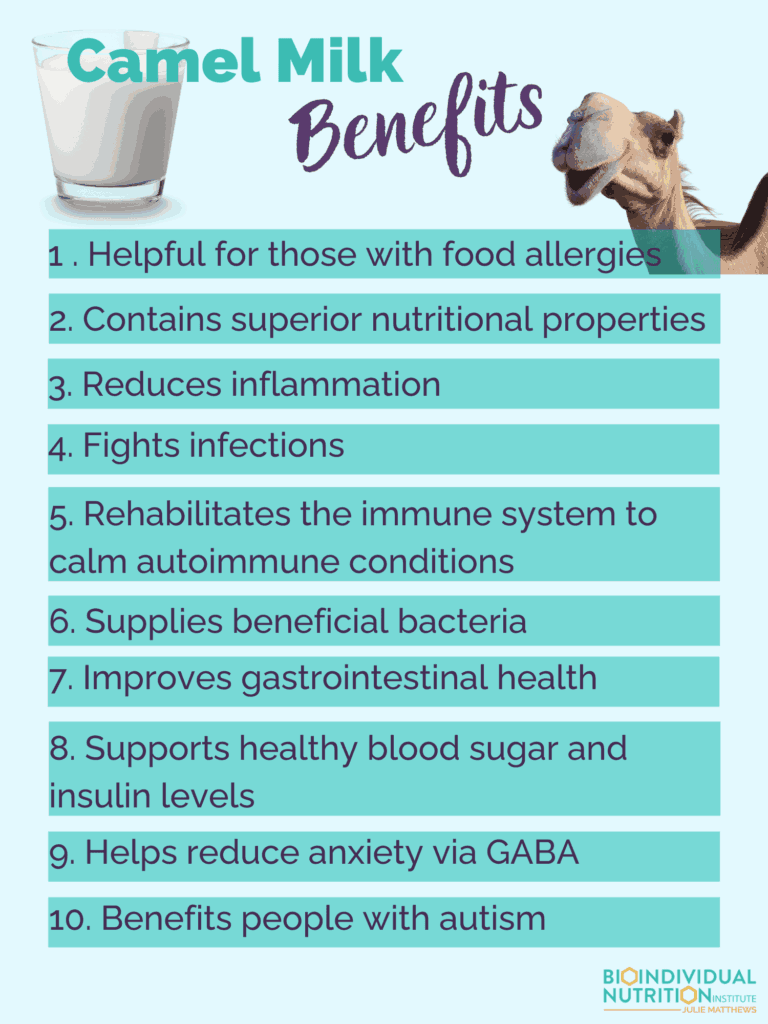
Camel milk has been touted as a potential cure-all for various ailments. Its unique composition may help:
- Improve Immune Function: Camel milk contains antibodies that can boost the immune system
- Manage Diabetes: The high concentration of insulin in camel milk might help regulate blood sugar levels
- Reduce Inflammation: The antioxidants and fatty acids present in camel milk have anti-inflammatory properties
While these claims are intriguing, it’s essential to conduct further research to validate their effectiveness.
Availability and Cost
Unfortunately, finding camel milk can be challenging. Its production is limited due to factors such as climate, geography, and commercial demand. In contrast, dromedary milk is more readily available, although its nutritional profile may not match that of camel milk.
In Europe and Italy, the majority of the imported camel milk comes from the United Arab Emirates (UAE). However, the high cost can be a significant barrier for many consumers.
Production and Distribution
The production of camel milk is often carried out on small-scale farms or in nomadic communities. This traditional method allows for more control over the quality and authenticity of the product.
In Europe, most imported camel milk comes from EU-registered farms, which ensures compliance with local regulations and standards.
Conclusion
Camel milk is a unique and nutritious liquid that has been an integral part of nomadic cultures for centuries. Its high concentration of vitamins, minerals, and antioxidants makes it an attractive option for those seeking alternative nutrition sources.
While challenges persist in terms of availability and cost, the potential benefits of camel milk make it an exciting area of research and exploration.
Frequently Asked Questions
- Q: Can I drink camel milk if I’m lactose intolerant?
A: Camel milk contains less lactose than cow’s milk, making it a more suitable option for those with lactose intolerance. - Q: Is camel milk safe to consume during pregnancy or breastfeeding?
A: While there is limited research on this topic, camel milk is considered a nutritious and relatively safe choice for pregnant or breastfeeding women. - Q: Can I buy camel milk in stores?
A: Yes, some health food stores and specialty shops may carry camel milk products. However, availability can vary depending on the location. - Q: Is it possible to produce camel milk on a larger scale?
A: With advancements in technology and farming practices, it’s becoming more feasible to produce camel milk on a commercial scale. - Q: Are there any potential side effects or allergic reactions associated with consuming camel milk?
A: While rare, some individuals may experience allergic reactions or digestive issues after consuming camel milk.
Note that further research is needed to fully understand the benefits and risks associated with camel milk consumption.
Modern Applications
Camel milk has a wide range of applications in modern society, from:
- Cosmetics: Camel milk is used as an ingredient in skincare products due to its high antioxidant content
- Food Industry: Camel milk is being explored as a potential alternative to dairy products in the food industry
- Pharmaceuticals: The unique properties of camel milk are being studied for their potential applications in pharmaceuticals
As research continues to uncover the benefits and limitations of camel milk, it’s likely that we’ll see more innovative applications in various industries.
Conclusion
Camel milk is a fascinating liquid with a rich history and unique properties. As we explore its benefits and potential applications, we can expect to see more innovation and discovery in this exciting field.
Whether you’re looking for alternative nutrition sources or exploring new products for your business, camel milk is certainly worth considering.
With further research and development, the future of camel milk holds much promise – from improving human health to promoting sustainable agriculture practices.


