
The Calorie-Burning Belt: A Futuristic Solution to Energy Generation?
Have you indulged in too many calories during your recent vacation? The excess energy consumed might just help you save electricity. Meet the designer, Emmy van Roosmalen, who has created a unique belt that transforms surplus calories into clean electricity. But how does it work?
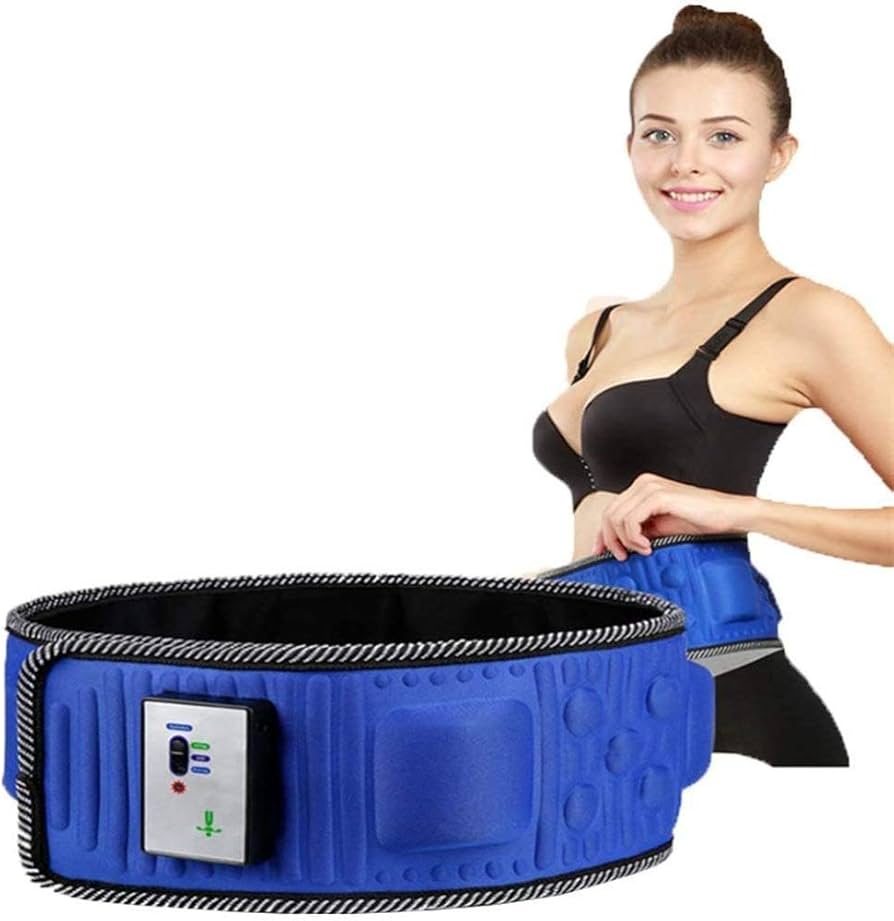
The concept of generating electricity from human body fat is not new, but the idea of a wearable device that can do so has sparked significant interest in recent years. The design of the calorie-burning belt, as described by van Roosmalen, bears a striking resemblance to those abdominal support belts commonly seen on TV ads aimed at shedding excess fat. However, this innovative device is far more sophisticated than its conventional counterparts.
The belt designed by Emmy van Roosmalen is capable of converting excess calories into energy that can power our electrical appliances. This idea may seem like science fiction, but it raises interesting questions about the potential for wearable technology to generate clean energy from human body fat.
What’s So Special About This Belt?
The most striking aspect of this belt is its design and functionality. Unlike conventional abdominal support belts, which are designed to provide comfort and support during exercise, van Roosmalen’s belt is engineered to harness excess calories and convert them into electricity. The belt contains special “protocellules artificiali” that mimic the characteristics of brown fat, which is responsible for thermogenesis – the process of burning calories to produce heat.
However, human bodies predominantly lose this type of fat during infancy, leaving us with mostly white fat. White fat does not have the same thermogenic properties as brown fat, making it difficult for the belt to generate significant amounts of electricity from our body’s stored energy.
The Science Behind the Belt
According to van Roosmalen, these artificial cells in the belt would absorb energy from our body’s white fat and convert it into adenosine-5′-trifosfate (ATP), a molecule rich in energy. Since ATP is already clean energy, the belt will transform it into even cleaner electricity.
However, there are several concerns about the scientific validity of this technology. While brown fat does exist in human bodies, its presence and functionality can be influenced by various factors such as age, genetics, and diet. The idea that a wearable device can mimic these properties is highly speculative and requires further research to confirm its efficacy.
How Does it Work?
According to van Roosmalen’s design, the belt would work in the following manner:
- Excess calories consumed during meals or physical activity would be absorbed by the special cells in the belt.
- These cells would convert the excess energy into ATP.
- The ATP would then be converted into clean electricity through a specialized process.
While this concept may seem straightforward, there are several challenges associated with implementing it on a wearable device level. For instance, how would the belt accurately measure and track our daily caloric intake? How would it distinguish between excess calories consumed during exercise versus those consumed as part of our regular diet?
A Revolutionary Solution?
Van Roosmalen promises that her invention will not only help you save on your dinner bill but also reduce your electricity bills. Her vision for this product is quite ambitious, and while she has garnered significant attention from media outlets and tech enthusiasts, it remains to be seen whether her design can actually deliver on its promises.
A Skeptical Perspective
As a seasoned writer, I am more inclined to approach this innovation with a healthy dose of skepticism. While online articles may claim that such a device is possible, I believe that critics have overhyped the potential of these artificial cells.
There are several reasons why I remain skeptical about this technology:
- Lack of scientific evidence: There is limited research on the efficacy and safety of wearable devices that generate electricity from human body fat.
- Technical limitations: The production and disposal of such devices could pose significant environmental concerns, not to mention the technical challenges associated with measuring and tracking daily caloric intake.
- Unrealistic expectations: Van Roosmalen’s claims about the belt generating clean energy are overly optimistic, and it is unclear how much electricity can actually be generated from excess body fat.
The Designer’s Vision
Van Roosmalen envisions a future where our waistlines are transformed into energy-generating belts. While her creativity and imagination are commendable, I prefer to keep my feet firmly on the ground. After all, can it be that a woman is responsible for inventing a calorie-burning belt? While her design may have its merits, let’s not get carried away with fantasy.
Conclusion
While Emmy van Roosmalen’s innovative belt may seem like science fiction, it sparks interesting discussions about energy generation and the potential of wearable technology. However, as a writer, I remain cautious and prefer to approach such claims with a critical eye.
The development of wearable devices that generate electricity from human body fat is an exciting area of research, but more work needs to be done to confirm its efficacy and safety. Until then, it’s essential to separate fact from fiction and evaluate the claims made by inventors like van Roosmalen with a healthy dose of skepticism.
Frequently Asked Questions (FAQs)
- How does the calorie-burning belt work?
The belt contains special “protocellules artificiali” that mimic brown fat, allowing it to absorb excess calories from our body’s white fat and convert them into clean electricity.
- Is this technology scientifically proven?
While the concept is intriguing, there is limited scientific evidence supporting the effectiveness of such a device.
- Will I lose weight if I wear the belt?
No; the belt does not claim to promote weight loss; instead, it generates clean energy from excess calories.
- Can this technology be used for other purposes?
Theoretically, yes, but it would require significant advancements in artificial cell technology and energy generation.
- Is this innovation feasible in the near future?
It’s uncertain whether such a device will become commercially available anytime soon due to technical limitations and regulatory hurdles.
- Will wearing the belt increase my caloric expenditure?
No; the belt does not burn calories itself but rather generates electricity from excess energy consumed.
- Can I use this technology for medical purposes?
There is no concrete evidence that suggests this technology has medical applications at present.
- Is there a potential environmental impact of this innovation?
While generating clean electricity, the production and disposal of such devices could have unforeseen consequences on the environment.


