
Introduction
Calocephalus brownii is a popular evergreen shrub native to Australia, known for its unique shape and attractive foliage. This article will guide you through the characteristics, care, and maintenance of this beautiful plant, helping you to grow it successfully in your own garden.
What is Calocephalus Brownii?
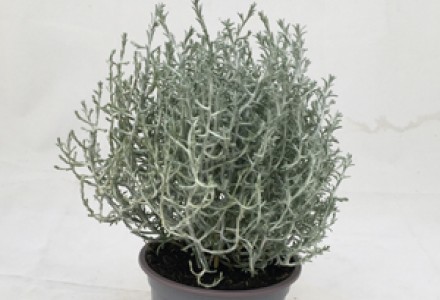
Calocephalus brownii is a perennial shrub that belongs to the family Asteraceae. It has slender stems, ramified branches, and green-grey foliage. This plant can grow up to 120-150 cm tall and 60 cm wide, making it an excellent choice for borders, containers, or as a groundcover.
Characteristics of Calocephalus Brownii
- Foliage: Green-grey, slender stems, ramified branches
- Height: Up to 120-150 cm (4.9-5.9 ft)
- Width: Up to 60 cm (2.4 ft)
- Flowers: Small, spherical, yellow-green in color
- Fruits: Small, brown, berry-like
How to Care for Calocephalus Brownii
To grow Calocephalus brownii successfully, follow these guidelines:
Climate and Temperature
Calocephalus brownii prefers a sunny location with well-draining soil. However, it can tolerate some shade and is resistant to frost. The ideal temperature range is between 10-15°C (50-59°F), but it can tolerate temperatures as low as -5°C (23°F).
Soil Requirements
Calocephalus brownii prefers a soft, nutrient-rich soil that drains well. Avoid planting in areas with poor drainage, as this can lead to root rot.
Watering
Water your Calocephalus brownii regularly during the growing season. However, avoid overwatering, which can lead to root decay. Water at the base of the plant, avoiding the leaves to prevent fungal diseases.
Fertilization
Feed your Calocephalus brownii with a balanced fertilizer every 3-4 weeks during the growing season. You can also use organic fertilizers like compost or manure tea.
Pruning and Grafting
Prune your Calocephalus brownii in the spring to maintain its shape and promote healthy growth. Use clean, sharp tools to avoid spreading diseases.
Propagation of Calocephalus Brownii
Calocephalus brownii can be propagated through:
- Seed: Sow seeds in the spring or fall in a well-draining potting mix. Keep the soil moist and provide adequate light.
- Stalks (Talea): Cut stalks from mature plants, remove lower leaves, and plant them in a well-draining potting mix.
Common Problems with Calocephalus Brownii
- Oidium: A fungal disease that causes white spots on leaves and stems.
- Root rot: Caused by overwatering or poor drainage.
- Aphids: Small, soft-bodied insects that feed on sap and transmit diseases.
- Viruses: Transmitted through aphids and other vectors.
Pest Control for Calocephalus Brownii
To prevent pest infestations, follow these guidelines:
- Inspect your plant regularly for signs of pests.
- Use neem oil or insecticidal soap to repel pests.
- Remove any infected leaves or stems promptly.
- Use physical barriers like fine mesh or row covers to protect your plant from pests.
Common Pests that Affect Calocephalus Brownii
Some common pests that affect Calocephalus brownii include:
- Aphids: Small, soft-bodied insects that feed on sap and transmit diseases.
- Whiteflies: Tiny, winged insects that feed on sap and transmit diseases.
- Spider mites: Tiny, eight-legged insects that feed on sap and cause yellowing leaves.
Common Diseases that Affect Calocephalus Brownii
Some common diseases that affect Calocephalus brownii include:
- Oidium: A fungal disease that causes white spots on leaves and stems.
- Root rot: Caused by overwatering or poor drainage.
- Powdery mildew: A fungal disease that causes a white, powdery coating on leaves and stems.
Conclusion
Growing Calocephalus brownii can be a rewarding experience. By following these guidelines and tips, you’ll be able to enjoy this beautiful plant in your own garden for years to come.
Frequently Asked Questions (FAQs)
- Q: How often should I water my Calocephalus brownii?
A: Water your Calocephalus brownii regularly during the growing season, but avoid overwatering. - Q: Can I grow Calocephalus brownii in a container?
A: Yes, you can grow Calocephalus brownii in a container, but make sure it has good drainage and is placed in a sunny location. - Q: How often should I fertilize my Calocephalus brownii?
A: Feed your Calocephalus brownii with a balanced fertilizer every 3-4 weeks during the growing season. - Q: Can I propagate Calocephalus brownii through cuttings?
A: Yes, you can propagate Calocephalus brownii through cuttings, but make sure to remove lower leaves and plant them in a well-draining potting mix. - Q: What are some common pests that affect Calocephalus brownii?
A: Some common pests that affect Calocephalus brownii include aphids, whiteflies, and spider mites.
By following these guidelines and tips, you’ll be able to grow a healthy and thriving Calocephalus brownii.


