
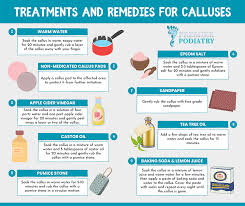
Understanding and Treating Calluses: A Comprehensive Guide
Calluses are thickened areas of skin that can be painful and unsightly. Fortunately, there are several home remedies and treatments that can help reduce their appearance. In this article, we will explore some of the most effective ways to treat calluses, including the use of Epsom salts, pumice stones, lime paste, exfoliating creams, and other natural remedies.
What Causes Calluses?
Calluses are caused by repeated friction or pressure on the skin. This can occur due to a variety of factors such as wearing shoes that don’t fit properly, repetitive activities like running or dancing, or even just standing for long periods of time. In addition, people with certain medical conditions like diabetes may be more prone to developing calluses.
Treating Calluses at Home
Fortunately, there are several home remedies that can help treat and prevent calluses from forming in the first place. Here are some effective ways to do so:
1. Epsom Salt Soaks
Soaking your feet in an Epsom salt bath can help soften and remove dead skin cells, making it easier to get rid of calluses.
- Mix 1-2 cups of Epsom salts into warm water.
- Soak your feet for 10-15 minutes, three times a week.
- Pat dry with a towel after soaking.
2. Pumice Stone Treatment
Using a pumice stone can help remove dead skin cells and smooth out rough patches on the skin.
- Wet the skin area where you want to treat the callus.
- Use a gentle circular motion to rub away dead skin cells with a pumice stone.
- Rinse thoroughly after treatment.
3. Lime Paste Treatment
Applying lime paste to the affected area can help soften and remove dead skin cells, making it easier to get rid of calluses.
- Mix 1 tablespoon of baking soda with 2 tablespoons of water to create a paste.
- Apply the paste to the affected area and cover with socks or bandages.
- Leave on overnight for several nights in a row.
4. Exfoliating Creams
Using an exfoliating cream can help remove dead skin cells and smooth out rough patches on the skin.
- Look for creams that contain alpha-hydroxy acids (AHAs) or beta-hydroxy acids (BHAs), which can help break down dead skin cells.
- Apply a thin layer to the affected area and massage gently before rinsing off with warm water.
5. Coconut Oil Treatment
Coconut oil has antifungal properties that can help soothe and heal calluses.
- Apply a thin layer of coconut oil to the affected area after soaking your feet in an Epsom salt bath.
- Massage gently into the skin before rinsing off with warm water.
Preventing Calluses from Forming
While treating calluses at home, it’s also important to take steps to prevent them from forming in the first place. Here are some tips to help you do so:
- Wear shoes that fit properly and provide enough support for your feet.
- Use orthotics or shoe inserts if you have flat feet or other foot issues.
- Take regular breaks to rest your feet and stretch your toes.
- Keep your feet clean and dry, especially between the toes.
When to See a Doctor
While home remedies can be effective in treating calluses, there are certain situations where it’s best to see a doctor. These include:
- If you have diabetes or other medical conditions that make it difficult to heal wounds.
- If you have severe calluses that don’t respond to treatment.
- If you notice signs of infection, such as redness, swelling, or pus.
Frequently Asked Questions
Here are some frequently asked questions about calluses and how to treat them:
-
How long does it take for a callus to heal?
- The healing time for a callus can vary depending on the severity of the condition and the effectiveness of treatment. Generally, it can take anywhere from several days to several weeks for a callus to fully heal.
-
Can I use harsh chemicals to treat my callus?
- No, using harsh chemicals can actually make your callus worse and increase the risk of infection. Instead, opt for natural remedies that are gentle on the skin.
-
How often should I exfoliate my feet?
- Exfoliating once or twice a week is usually sufficient to remove dead skin cells and prevent calluses from forming. Be gentle when exfoliating, as rough scrubbing can irritate the skin.
-
Can I use acetone-based nail polish remover on my callus?
- No, using acetone-based nail polish remover on your callus is not recommended. Acetone can dry out and irritate the skin, making it harder to treat the callus in the first place.
-
Will treating a callus affect its shape or size over time?
- Treating a callus with exfoliating creams, salicylic acid peels, or other treatments can help reduce its size and smooth out rough patches on the skin. However, repeated trauma to the area can cause the callus to grow back thicker and more resistant over time. To prevent this from happening, it’s essential to take preventative measures like wearing supportive shoes and taking regular breaks.
In conclusion, treating calluses at home is a viable option for many people. By using natural remedies like Epsom salt soaks, pumice stone treatments, lime paste applications, exfoliating creams, and coconut oil treatments, you can help soften and remove dead skin cells, making it easier to get rid of calluses.
However, it’s also essential to take steps to prevent calluses from forming in the first place. By wearing shoes that fit properly, using orthotics or shoe inserts, taking regular breaks to rest your feet, and keeping your feet clean and dry, you can reduce your risk of developing calluses in the future.
If you do develop a callus, don’t hesitate to see a doctor if it’s severe or doesn’t respond to treatment. With proper care and attention, you can help soften and remove dead skin cells, making your callus less noticeable over time.
Additional Tips
Here are some additional tips that may be helpful in treating and preventing calluses:
- Wear socks made of breathable materials like cotton or wool.
- Use a pumice stone to remove dead skin cells after showering or bathing.
- Exfoliate your feet regularly using an exfoliating cream or sugar scrub.
- Apply coconut oil or other moisturizers to keep your skin hydrated and healthy.
- Take regular breaks to rest your feet and stretch your toes.
Conclusion
Treating calluses at home is a simple and effective way to reduce their appearance. By using natural remedies like Epsom salt soaks, pumice stone treatments, lime paste applications, exfoliating creams, and coconut oil treatments, you can help soften and remove dead skin cells, making it easier to get rid of calluses.
However, it’s also essential to take steps to prevent calluses from forming in the first place. By wearing shoes that fit properly, using orthotics or shoe inserts, taking regular breaks to rest your feet, and keeping your feet clean and dry, you can reduce your risk of developing calluses in the future.
If you do develop a callus, don’t hesitate to see a doctor if it’s severe or doesn’t respond to treatment. With proper care and attention, you can help soften and remove dead skin cells, making your callus less noticeable over time.
By following these tips and using natural remedies, you can say goodbye to painful and unsightly calluses for good.


