
Introduction
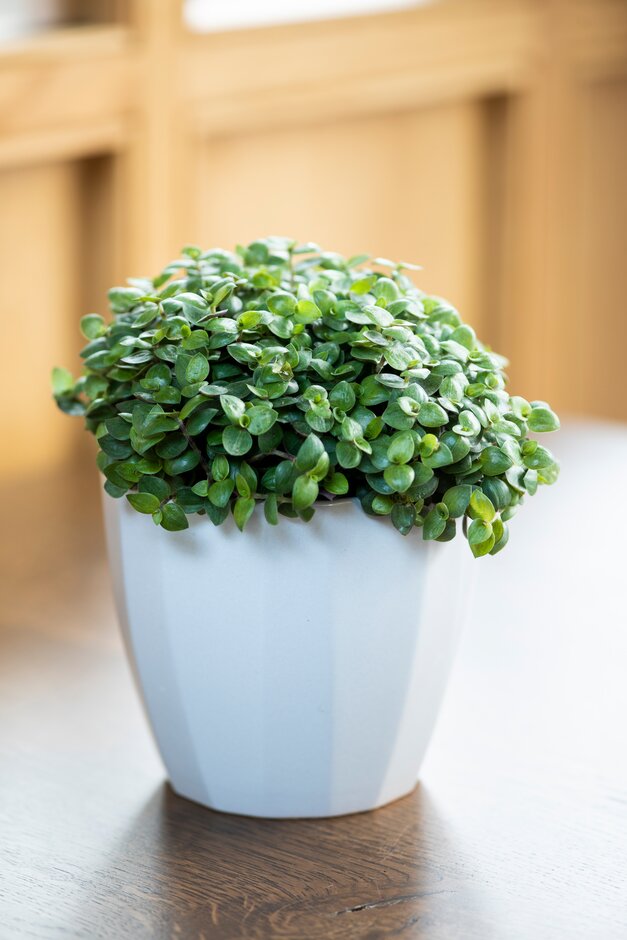
If you’re looking for a low-maintenance plant that can thrive in various conditions, look no further than the callisia. Native to tropical regions of Central and South America, this evergreen perennial is a popular choice among plant enthusiasts due to its ornamental value and versatility.
In this article, we’ll delve into the characteristics, care requirements, and potential issues associated with the callisia, as well as some interesting facts about this fascinating plant.
Characteristics of the Callisia
The callisia has a distinctive, strisciante habit with multiple stem segments. Its leaves are lance-shaped, with an entire margin, and feature bright green, glossy foliage with white or reddish veins. The plant can tolerate a wide range of climatic conditions, from full sun to partial shade.
One of the most striking features of the callisia is its unique leaf structure. The leaves are characterized by their narrow, elongated shape and smooth, waxy texture. This makes them an attractive addition to any garden or indoor space. Additionally, the callisia’s leaves can grow quite large, reaching up to 10 inches in length.
Cultivating the Callisia
To keep your callisia happy and healthy, follow these guidelines:
- Temperature: Maintain temperatures between 15°C and 25°C (59°F to 77°F) for optimal growth. Avoid placing the plant near heating vents or drafty windows.
- Lighting: Provide direct sunlight, but be aware that excessive light can cause leaf discoloration. East- or west-facing windows are ideal for callisia plants.
- Soil: Use a well-draining mix of soft soil and sand, avoiding frequent repotting. A pot with good drainage holes is essential to prevent waterlogged soil.
- Watering: Water sparingly during the winter months, and avoid overwatering, which can lead to root rot. Check the soil moisture by sticking your finger into the soil up to the first knuckle.
Pruning and Propagation
To encourage healthy growth, prune your callisia in the summer months, removing older stems. This will help promote new growth and prevent the plant from becoming leggy. You can also propagate the plant through stem cuttings or leaf propagation.
- Stem Cuttings: Take 4-6 inch stem cuttings with at least two nodes. Remove lower leaves, and plant in a pot filled with moistened soil. Keep the soil warm and humid until roots develop.
- Leaf Propagation: Place a healthy leaf on a moist surface, such as a piece of moss or a damp paper towel. Roots should develop within 2-3 weeks.
Common Pests and Diseases
While the callisia is generally resistant to pests, it’s not immune to all threats. Regular monitoring can help prevent issues such as aphids, whiteflies, and spider mites. Keep an eye out for signs of fungal diseases like root rot, which can be treated by repotting the plant in fresh soil.
- Aphids: These small, soft-bodied insects can cause curled or distorted leaves. Spray with water to dislodge them, and treat with insecticidal soap if necessary.
- Whiteflies: These tiny insects can transmit diseases like mealybug wilt. Use a fine-mesh net to cover the plant, and spray with insecticidal soap to control populations.
- Spider Mites: These small arachnids can cause yellowing or bronzing of leaves. Treat with neem oil or insecticidal soap to control infestations.
Interesting Facts
The callisia has several unique characteristics that make it a popular choice among plant enthusiasts:
- It’s often used as a terrarium plant for reptiles.
- Some species can cause allergic reactions in domestic animals, such as dogs and cats.
- In the language of flowers, the callisia represents abundance.
- The callisia is also known to attract pollinators like bees and butterflies.
Frequently Asked Questions
- Q: Is the callisia toxic to pets?
A: Yes, some species of callisia can cause skin irritation or allergic reactions in domestic animals. - Q: Can I grow callisia indoors?
A: Yes, but ensure proper lighting and temperature conditions are met. Callisia plants prefer bright, indirect light and temperatures between 15°C and 25°C (59°F to 77°F). - Q: How often should I water my callisia?
A: Water sparingly during the winter months, and avoid overwatering. Check the soil moisture regularly to prevent waterlogged soil. - Q: Can I propagate callisia through division?
A: No, this method is not recommended as it can damage the plant. Stem cuttings or leaf propagation are preferred methods for propagating callisia. - Q: Are there any specific care requirements for callisia in terms of fertilization?
A: Yes, use a balanced fertilizer during the growing season to promote healthy growth. Dilute the fertilizer to half the recommended strength to avoid burning the roots.
Benefits of Growing Callisia
Growing callisia can provide several benefits, including:
- Low Maintenance: Callisia plants are relatively easy to care for, requiring minimal pruning and watering.
- Air Purification: The plant is known to purify the air by removing pollutants like formaldehyde and xylene.
- Ornamental Value: Callisia’s striking leaves and unique growth habit make it a popular choice among gardeners and interior designers.
Conclusion
The callisia is a versatile and low-maintenance plant that can thrive in various conditions. With its ornamental value, air purification benefits, and ease of care, it’s no wonder this plant has become a favorite among plant enthusiasts. By following the guidelines outlined in this article and being aware of potential issues, you’ll be well on your way to enjoying the beauty and benefits of this fascinating plant.
Additional Tips
- Repotting: Callisia plants typically need to be repotted every 2-3 years. Choose a pot that is only slightly larger than the previous one to prevent waterlogged soil.
- Pest Control: Regularly inspect your callisia for signs of pests, and treat promptly if necessary.
- Propagation: Experiment with different propagation methods, such as stem cuttings or leaf propagation, to find what works best for you.
By following these additional tips and guidelines, you’ll be able to enjoy the many benefits of growing a callisia plant.


