
The Amazing Calendula Officinalis: Uncovering its Properties and Uses
As we explore the vast world of herbal remedies, one plant stands out for its versatility and impressive list of benefits: Calendula Officinalis. Originating from the southern Europe, this perennial herb has been a cornerstone in traditional medicine for centuries, with uses extending far beyond its native region.
What is Calendula Officinalis?
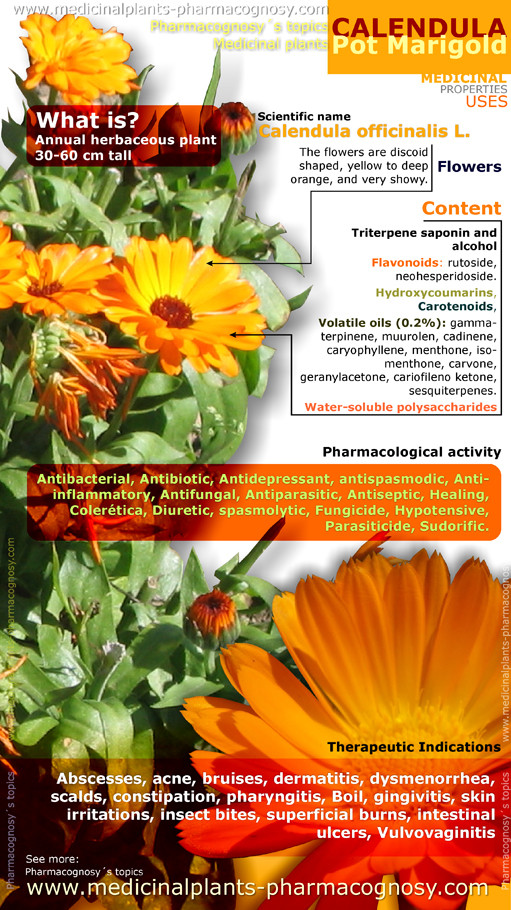
Calendula Officinalis, also known as Pot Marigold, is an annual or biennial plant that grows up to 80 cm tall, featuring erect stems and sparse branches. Its leaves are oblong and lance-shaped, measuring between 5-18 cm in length. The flower’s thick petals, with a diameter of 4-7 cm, contain a rich source of beneficial compounds.
Cultivating Calendula Officinalis
Growing Calendula Officinalis is relatively easy, making it an ideal choice for home gardeners and seasoned horticulturists alike. This temperate climate-friendly plant thrives in sunny areas and adaptable soil types. In regions with harsh winters, Calendula Officinalis is often treated as an annual crop, ensuring its survival and continued use.
Properties of Calendula Officinalis
Calendula Officinalis has been extensively used in cooking, cosmetics, and medicine for its numerous benefits. The plant’s flowers can be consumed raw or dried to add color and flavor to salads and meat dishes. Its leaves, although less palatable, are also edible.
Beyond culinary applications, Calendula Officinalis boasts a diverse array of therapeutic uses:
Cosmetic Benefits: Oils and extracts derived from the plant exhibit beneficial properties for skin care, making it an excellent natural remedy for scalds, acne, and dermatitis.
Pharmaceutical Applications: The herb’s compounds have been shown to possess anti-inflammatory, antiviral, and antimicrobial effects, making it a valuable tool in medicine.
Tinting and Coloring: Calendula Officinalis has historically been used as a natural dye, adding vibrant colors to textiles.
The Science Behind Calendula Officinalis
Research has shed light on the plant’s bioactive compounds, including esters triterpenics, carotenoids, and other antioxidants. These constituents are responsible for its therapeutic properties and vibrant coloration.
Carotenoids: The leaves contain high concentrations of lutein (80%), zeaxanthin (5%), and beta-carotene.
Esters Triterpenici: Found in the flowers’ petals, these compounds exhibit anti-inflammatory and antiviral effects.
Saponines, Resins, and Essential Oils: Contributing to Calendula Officinalis’ skin-soothing properties.
Incorporating Calendula Officinalis into Your Life
With its numerous benefits and versatility, Calendula Officinalis is an excellent addition to any natural remedies collection. Utilize the plant’s flowers, leaves, or oils in various ways:
Cosmetic Products: Incorporate calendula extracts into skincare products for soothing scalds, acne, and dermatitis.
Culinary Applications: Add dried or fresh Calendula Officinalis to salads, meat dishes, and other recipes.
Natural Dye: Use the plant’s vibrant flowers to create a natural dye.
Frequently Asked Questions
Here are some answers to common queries about Calendula Officinalis:
- What is the primary use of Calendula Officinalis?
- The plant has multiple uses, including culinary, cosmetic, and medicinal applications.
- Is Calendula Officinalis safe for consumption?
- Yes, both flowers and leaves are edible, but it’s recommended to consult a healthcare professional before using the plant for therapeutic purposes.
- How does Calendula Officinalis protect the skin?
- The plant’s compounds exhibit anti-inflammatory, antiviral, and antimicrobial effects, making it an excellent natural remedy for skin care.
- Can I grow Calendula Officinalis indoors?
- Yes, this temperate climate-friendly plant can thrive in indoor conditions with sufficient sunlight and proper care.
Conclusion
Calendula Officinalis is a remarkable herb, boasting numerous benefits and uses beyond its culinary applications. Its versatility makes it an excellent addition to any natural remedies collection, offering a range of therapeutic and cosmetic benefits for skin care, medicine, and more.


