
Understanding the Characteristics of Limestone Soil
Limestone soil is a type of soil that has distinct characteristics. But what are they? How can we recognize limestone soil from other types of soil?
In this article, we’ll delve into the world of limestone soil and explore its specific features.
What is Limestone Soil?
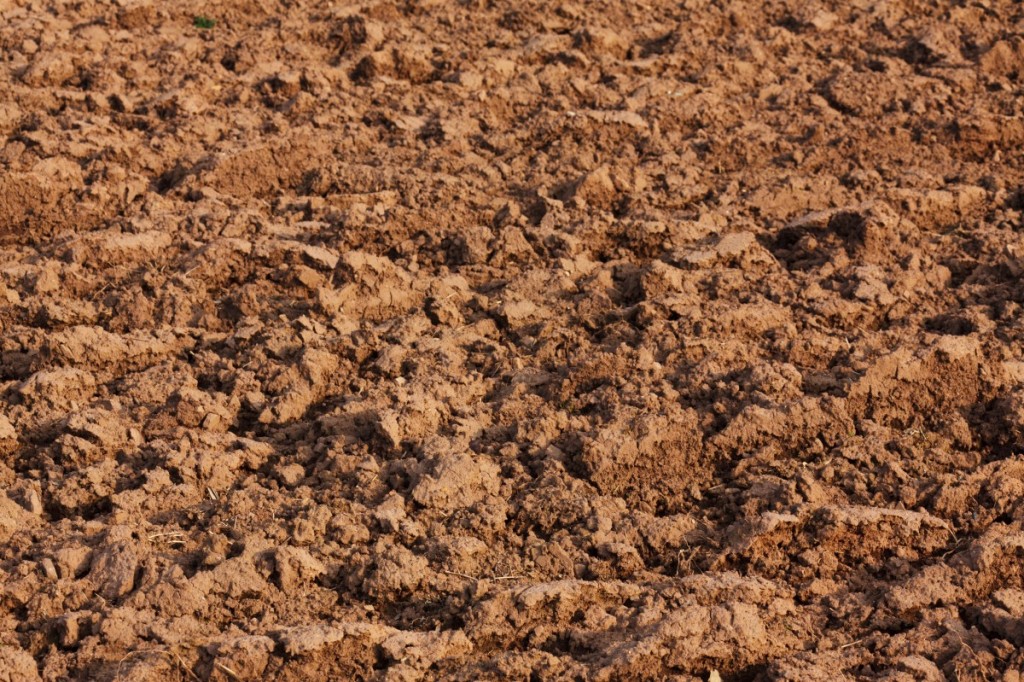
Limestone soil is characterized by having more than 15% of CaCO3 (calcium carbonate) in the soil. It can present itself in various forms, such as powder, crusts, etc. Limestone soils that have high levels of calcium carbonate are part of the calcic soil group and are relatively common in dry regions around the world.
Productivity of Limestone Soil
Limestone soils have a high potential productivity, but it depends on providing water and nutrients adequately. The presence of high levels of calcium tends to maintain the soil’s structure well and its condition. However, where there is an impermeable layer called petricalcic horizon, arating the soil in depth can be necessary to “break” this superficial layer.
Following that, an efficient drainage system should be created. Soil irrigation through furrow or container can be better than container irrigation on thick soils. On hilly terrain, rainwater irrigation may be a good option. Also, drip irrigation is another option for these terrains.
Remember that limestone soils generally have low organic matter content and lack nitrogen. Azotated fertilizers can be applied at any time, from before planting to when the plant is well-established.
Applying nitrogen through side-dressing on growing crops is an efficient way of adding nitrogen content. However, it must be done in a way that doesn’t apply nitrogen near seeds, as it may interfere with germination. Sources of nitrogen and urea ammonium should not be left on limestone soils for long periods because they can lead to significant ammonia loss through volatilization.
How to Identify Limestone Soil
As we mentioned earlier, one can identify limestone soil if it contains more than 15% calcium carbonate. To clarify this, let’s consider the following factors:
- High levels of calcium may negatively impact nutrients like potassium and magnesium.
- Calcium influence soil physical characteristics, which enable air and water circulation.
- How can we tell if a soil is limestone? Can’t we just analyze it chemically?
Although chemical analysis would be ideal, we can recognize limestone soil through some common indicators.
Here are the signs of a limestone soil:
- It’s not very fertile but is suitable for olive tree and vineyard cultivation.
- It creates a hard crust that hinders water and air infiltration, making seed germination more challenging.
- The ability to retain water is lower in limestone soils.
Given these characteristics, how can we verify if the soil contains calcium? Here’s a simple method:
- Collect 4 samples from different parts of the field (at least).
- Mix the soil thoroughly and let it dry out.
- Add some reagent to the soil mixture in a cup. The most commonly used substances are muriatic acid, pure acetic acid, or lemon juice.
Check if there is an effervescence reaction when you add the substance to the soil mixture. If the reaction is more intense than usual, then the soil likely contains high levels of calcium carbonate.
Terreno Acido o Calcareo?
To distinguish between limestone and acidic soils, we must understand that limestone soils are generally suitable for “calcicole” plants, while acidophilous plants (plants that thrive in acidic conditions) typically prefer soil with a different pH level. There are some plant species that can suffer from calcium-rich soils or even die if they’re exposed to excessive amounts of it.
Some examples of calcicole plants include olives and vines. On the other hand, acidophilous plants like citrus fruits, gardenias, and mimosa may be sensitive to limestone soils.
However, if a plant that is typically acidophilous is planted in soil with high calcium content, it might experience clorosis ferrica (iron chlorosis), which can manifest as decolorization of leaves, reduced flowering, and poor vegetative growth.
In addition, calcium-rich soils may make certain minerals insoluble, affecting nutrient availability for plants. Acid-loving plants often lack access to these essential nutrients due to the inability of their roots to absorb them from limestone soil.
For more information on acid-loving or calcicole plants, you can refer to the list provided below:
Acidophilous Plants
- Citrus fruits
- Gardenias
- Mimosa
Calcicole Plants
- Olive trees
- Vines
- Cypress
- Pine
- Fir
- Spruce
- Birch


