
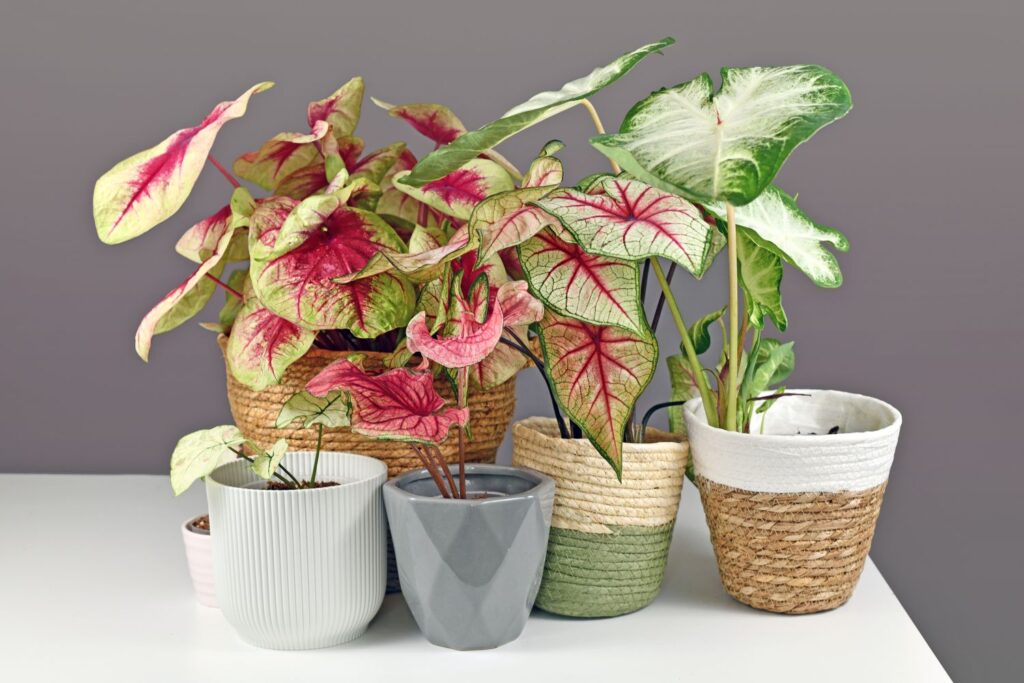
Caladium, also known as Caladium or Caladio, is a member of the Aracee family, native to the tropical forests of Brazil. In this article, we will delve into the characteristics of this unique plant, along with practical tips on how to cultivate it in your home.
The Unique Characteristics of Caladium
Caladiums are classified as perennial herbaceous plants with an underground root system and heart-shaped leaves that come in a variety of colors, including white and deep red. These types of plants have 15 distinct species, which can be grown indoors or outdoors, provided they receive warm, bright, and well-ventilated environments.
The peak growth of caladium occurs during the summer months and coincides with flowering. The flowers resemble those of the calla lily, with large bracts protecting a seed pod containing both male and female flowers. It is rare for indoor caladiums to bloom.
For those interested in learning more about related plants, consider reading our article on Hypoestes: Characteristics and Care.
Cultivating Caladium: Tips and Tricks
To grow this beautiful plant optimally indoors, follow these guidelines:
Ideal Exposure
Caladium prefers temperatures between 15-20°C. Growth occurs mainly during the spring season. Begin by placing the rhizome in a container filled with rich and soft soil at the start of spring. Once the foliage develops and temperatures begin to rise, assess whether it’s suitable for growing in pots indoors, in a shaded area or outdoors where it will thrive until autumn.
Ideally, position your caladium in semi-shaded areas that mimic its natural habitat in tropical forests. Be mindful of direct sunlight as well as insufficient natural light and poor air circulation. Caladiums grown indoors without adequate light may exhibit uncharacteristic foliage colors and lack vibrancy.
Avoid forcing the plant through excessive autumn watering. This process can deplete the rhizome, causing death or stunted growth.
Suitable Soil for Growth
Once the rhizome begins to sprout and the foliage appears yellowish, increase watering with regular and abundant watering, waiting until the soil dries out before rehydrating. Every 15 days, add a universal fertilizer rich in microelements.
During colder months, suspend watering to allow the rhizome to rest and enter a dormant state.
The ideal soil for caladiums is well-draining, slightly acidic (pH 6-7), and rich in organic matter. To promote growth during spring and summer, feed your plant with liquid fertilizers containing nitrogen and potassium, every 15 days. Alternatively, apply a granular compound fertilizer twice or three months apart.
Multiplying Caladium
Propagation occurs by distributing seeds evenly on the soil surface after covering them with transparent plastic sheets placed in shaded areas at temperatures between 20-23°C. Once first roots appear, transfer the seedlings to brighter but still shaded conditions to prevent scorching from direct sunlight.
After selecting stronger plants, remove weak ones and cut new shoots into individual pots containing a mixture of humus, peat moss, and sand. By March, you should have healthy, thriving rhizomes ready for use.
Common Pests and Diseases
Caladiums are relatively pest-free but can be affected by fungal diseases and excessive moisture. When temperatures drop, the plant tends to dry out. Remove yellowed leaves and lift the rhizome from the ground to allow it to fully dry before storing it in a cool place.
Only occasionally will caladiums fall prey to pests. The main risk lies in overwatering or underhydration combined with stagnant moisture. Caladiums are sensitive to temperature fluctuations, so when the foliage begins to curl up, move the plant to a warmer environment.
To combat fungal diseases and pest infestations, adjust watering patterns and maintain good air circulation. Treat infestations promptly using antiparasitic products or natural remedies like alcohol and Neem oil.
Interesting Facts about Caladium
All parts of the caladium plant are toxic to humans and domestic animals. In homeopathy, it’s used for treating erectile dysfunction and nicotine addiction in smokers.
In flower language, the caladium represents inconsistency and changeability.
Caladiums have been used for medicinal purposes since ancient times. The rhizome contains glycosides that may help treat various ailments such as bronchitis, coughs, and respiratory issues.
Types of Caladium
There are over 15 species of caladium, each with its unique characteristics and growth patterns.
- Caladium bicolor: This is the most commonly cultivated species, known for its striking foliage colors.
- Caladium giganteum: This variety boasts heart-shaped leaves with vibrant colors, making it a popular choice for decorative arrangements.
- Caladium pictum: This species has small, pointed leaves with intricate patterns, adding to its ornamental value.
How to Divide Caladium Rhizomes
Dividing caladium rhizomes is an effective way to propagate new plants and increase your collection. Follow these steps:
- Carefully remove the plant from its pot, taking note of any debris or roots attached to it.
- Cut away dead or damaged leaves using pruning shears to prevent fungal infections.
- Rinse the entire rhizome with clean water to remove any dirt or debris.
- Inspect the rhizome for any weak points, and cut them off using a sharp knife or pruning tool.
- Replant the divided sections immediately in well-draining soil, ensuring they receive adequate light and temperature.
Caladium Care Tips
To keep your caladium plant thriving, follow these care tips:
- Provide Adequate Light: Ensure your caladium receives bright, indirect light during the day, avoiding direct sunlight that may cause scorching.
- Maintain Optimal Temperature: Keep the temperature between 15-20°C to promote healthy growth and flowering.
- Water Wisely: Water your caladium thoroughly but avoid overwatering, which can lead to root rot.
- Fertilize Regularly: Feed your plant with a balanced fertilizer every 15 days during spring and summer to promote growth and flowering.
By following these tips and understanding the unique characteristics of caladium, you’ll be well on your way to growing this beautiful and versatile plant in your home or outdoor garden.
Frequently Asked Questions (FAQs)
- What kind of environment does a caladium need?
Caladium prefers warm, bright, and well-ventilated environments with temperatures between 15-20°C. - How often should I water my caladium?
Watering frequency depends on temperature, humidity, and soil moisture. Aim for about an inch of watering per week. - What kind of fertilizer does a caladium need?
A balanced universal fertilizer rich in microelements can be applied every 15 days during spring and summer. - How do I propagate a caladium plant?
Propagation occurs by distributing seeds evenly on the soil surface after covering them with transparent plastic sheets placed in shaded areas at temperatures between 20-23°C. - Can I grow caladium indoors or outdoors?
Caladiums can be grown both indoors and outdoors, provided they receive warm, bright, and well-ventilated environments. - What is the ideal temperature for a caladium plant?
The ideal temperature for a caladium plant ranges between 15-20°C. - How do I care for my caladium plant during winter months?
During colder months, suspend watering to allow the rhizome to rest and enter a dormant state.
If you have any further questions or concerns about growing your own Caladium plants, please feel free to ask!


