
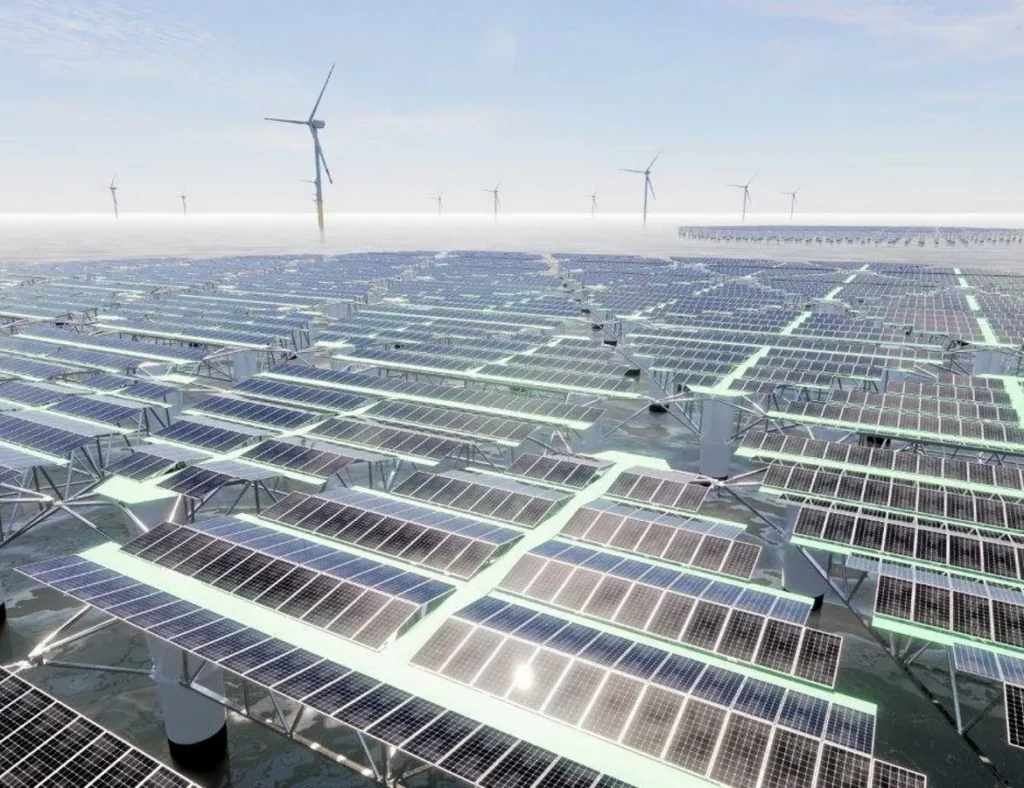
The year 2013 marked a significant turning point for sustainable environmental practices and renewable energies in Calabria, Italy. Telesun Solar, one of the world’s leading manufacturers of photovoltaic modules and solar cells, concluded an ambitious solar project in the city of Girifalco. This milestone marked a major breakthrough in the region’s commitment to harnessing the power of solar energy.
A Region with Great Potential for Solar Energy
Calabria appears to be a perfect ally for solar energy, as evidenced by two large-scale solar power plants built nearby. The San Floro plant has a capacity of over 23 MW, and the Girifalco plant, which was operational in just 20 days, has a capacity of 14.3 MW. These impressive projects demonstrate the region’s potential for solar energy and its ability to support the growing demand for renewable energy.
Record-Timing Installation
The Girifalco solar park’s impressive installation process is a testament to the region’s potential for solar energy. The project’s swift completion is all the more remarkable considering that it involved excavation and connection to the electrical grid in just two weeks. This impressive feat sets a new standard for solar installations in Italy, showcasing the efficiency and speed of modern solar technology.
Despite Challenges, Solar Energy Remains an Attractive Option
However, recent reductions in government incentives for the solar sector have led to a slowdown in development plans for the market. Despite this, the efficiency of solar energy remains unparalleled, addressing any concerns related to investment. As Arthur Chien, Vice President of Telesun Solar, notes, “In the coming months, we expect the implementation of new legislation on incentives, based on the German model, which will establish fixed prices guaranteeing electricity generated from solar technologies.” This development is a positive sign for the future of solar energy in Calabria and Italy.
Optimal Angle for Maximum Energy Yield
The southern Italian region boasts particularly high levels of irradiation, making it an ideal location for solar panels. Installing modules at an angle of 30°/35° towards the south can potentially achieve energy yields exceeding 2000 kWk/m². Solar radiation is measured using sensors that detect the amount of sunlight reaching the installation site. By optimizing the angle and orientation of solar panels, developers can maximize energy yield and minimize costs.
Calabria: A Haven for Large-Scale Solar Power Plants
According to experts at Telesun, “Italy remains one of the most important markets in Europe.” Analysts predict a 2GW increase in installed capacity this year, with a positive trend continuing into 2014. This growth is driven by declining costs, improving technology, and increasing demand for renewable energy. Calabria’s commitment to solar energy is likely to play a significant role in supporting Italy’s ambitious renewable energy targets.
Government Incentives: A Key Factor in Promoting Solar Energy Adoption
Incentives have long been recognized as a crucial factor in promoting solar energy adoption. Governments can provide various types of incentives, such as tax credits, rebates, and feed-in tariffs, to encourage individuals and businesses to invest in solar energy. These incentives help reduce the upfront costs associated with solar installations, making them more accessible to a wider range of consumers.
The Role of Grid Connection and Energy Storage
Large-scale solar power plants can be integrated into existing grids through various methods, including grid-tie systems and energy storage solutions. Grid connection allows for the seamless integration of solar energy into the electrical grid, ensuring that excess energy is not lost during periods of low demand. Energy storage solutions, such as batteries, can help mitigate the intermittency of solar energy by storing excess energy for later use.
Challenges and Limitations
Despite the many benefits of solar energy, there are several challenges and limitations associated with its adoption. High upfront costs, intermittency due to weather conditions, and regulatory uncertainty are some of the key challenges facing the industry. However, as technology continues to improve and costs decline, these challenges are becoming increasingly manageable.
Conclusion
The integration of solar energy into Italy’s infrastructure is gaining momentum. As we look to the future, it is clear that regions like Calabria will play a significant role in powering our homes and businesses sustainably. With its optimal angle for maximum energy yield, favorable irradiation levels, and commitment to large-scale solar power plants, Calabria is well-positioned to become a leader in Italy’s renewable energy sector.
Frequently Asked Questions (FAQs)
- What are the main advantages of solar energy?
Solar energy offers numerous benefits, including reduced greenhouse gas emissions, lower operating costs, and increased energy independence. By harnessing the power of sunlight, solar energy can help reduce our reliance on fossil fuels and mitigate climate change.
- How does the installation process for solar panels work?
The installation process typically involves excavation, mounting of modules, and connection to the electrical grid. Modern solar installations are designed to be efficient, safe, and environmentally friendly, minimizing their impact on the surrounding environment.
- What are some common challenges associated with solar energy?
Some common challenges include high upfront costs, intermittency due to weather conditions, and regulatory uncertainty. However, as technology continues to improve and costs decline, these challenges are becoming increasingly manageable.
- Can solar energy generate electricity at night or during periods of low sunlight?
While solar panels can produce electricity during the day, they often require backup power sources, such as batteries or grid-tie systems, to ensure continuous operation. This allows for a stable and reliable supply of renewable energy even during periods of low sunlight.
- What is the role of incentives in promoting solar energy adoption?
Incentives, such as tax credits and rebates, play a crucial role in encouraging individuals and businesses to invest in solar energy. These incentives help reduce the upfront costs associated with solar installations, making them more accessible to a wider range of consumers.
- How does the angle of solar panels affect their efficiency?
The optimal angle for solar panels depends on the location’s latitude and solar irradiation levels. In regions with high sunlight, installing modules at an angle of 30°/35° towards the south can maximize energy yield.
- Can large-scale solar power plants be integrated into existing grids?
Large-scale solar power plants can be integrated into existing grids through various methods, including grid-tie systems and energy storage solutions. Grid connection allows for the seamless integration of solar energy into the electrical grid, ensuring that excess energy is not lost during periods of low demand.
- What is the outlook for the Italian solar market in 2014?
Analysts predict a positive trend for the Italian solar market, with increasing demand driven by declining costs and government incentives. This growth is expected to continue into the future, supporting Italy’s ambitious renewable energy targets.
By understanding the advantages of solar energy and its potential in regions like Calabria, we can unlock a cleaner, more sustainable future for our communities.


