
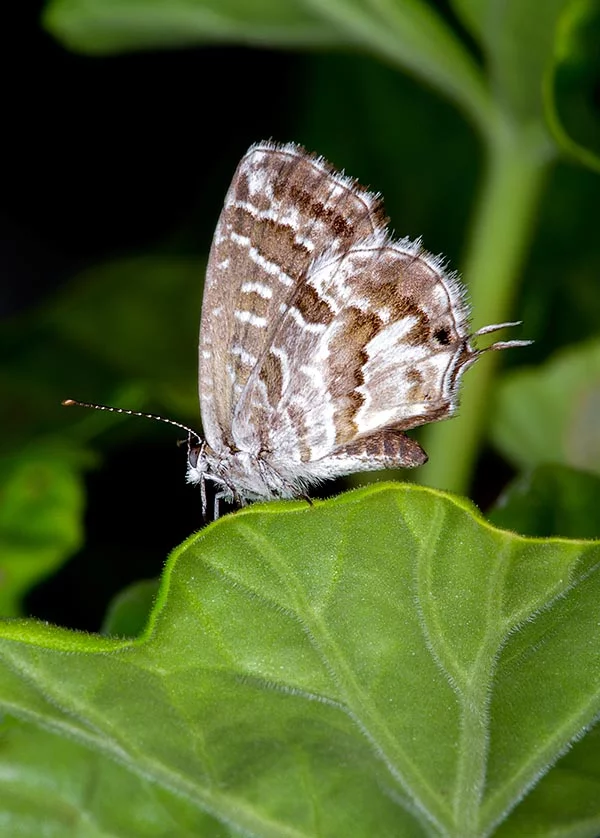
The Cacyreus marshalli: A Guide to Preventing Damage from the Geranium Leaf Miner Butterfly
Are you aware of the pesky Cacyreus marshalli, also known as the geranium leaf miner butterfly? This fastidious insect can put your plants to the test, but with the right approach, you can effectively tackle this problem.
Understanding Cacyreus marshalli: What You Need to Know
The Cacyreus marshalli is a parasitic butterfly that originates from Africa and has recently spread to Italy and other parts of Europe, causing significant damage to geraniums. If your plant has fallen victim to this pest, you should be aware of the consequences!
The rapid spread of this butterfly can be attributed to the lack of natural limiters in its new habitats. In contrast, its native areas have these natural barriers present.
How Cacyreus marshalli Infests Geraniums
Cacyreus marshalli infests geraniums through the deposition of eggs on the plant by females. When temperatures reach 20°C (which is typically in spring), conditions are ideal for larval formation, allowing them to grow and feed on the plant.
Initially, the butterfly creates small holes and enters the plant, then returns later to consume flowers and leaves before transforming into pupae. This process is detrimental to geraniums, but how can you prevent or resolve this issue?
Acquiring a Healthy Geranium
Before purchasing a geranium, it’s essential to inspect the plant carefully. Look for:
- A robust leafy foliage
- A healthy fustate with no black spots or small holes
- Choose varieties that are resistant to Cacyreus marshalli, such as Abrotanifolium, Denticulatum, Felicifolium, Grandiflorum, or Odoratissimum
Proper Irrigation Techniques
Once you’ve acquired a healthy geranium, maintain the right conditions to prevent Cacyreus marshalli infestations:
- Avoid excessive watering, which can create ideal conditions for the butterfly’s development
- Ensure proper drainage by not leaving waterlogged soil
- Dry pots between irrigation to prevent soggy leaves
Natural Products to Combat Cacyreus marshalli
If you prefer not to use chemical products, try using natural substances:
- Neem Oil: Extracted from the Azadirachta indica tree in India and used in Ayurvedic medicine as an antiviral, antibacterial, and antiparasitic agent. Dilute 3-4 drops of Neem oil per liter of water and nebulize it on the soil and geranium plants.
- Aspen: Possesses antiparasitic properties due to compounds present in its leaves and stems.
To make a natural pesticide, combine aspen leaves with boiling water for 24 hours. Strain the solution and apply it to the soil and geraniums as you would Neem oil.
Chemical Products to Combat Cacyreus marshalli
When using chemical products, always start with preventative measures in early spring:
- Insecticides: Effective against Cacyreus marshalli and other pests. Apply them at the beginning of spring, ensuring that you follow the manufacturer’s instructions.
Timing and Dosage Guidelines
To maximize efficacy, apply insecticides according to these guidelines:
- Apply directly to the soil near the roots, following the product label instructions.
- Repeat application after 10-12 weeks if initial treatment is not effective.
Keep in mind that some products have a faster onset of action within 2-7 days from first application.
Pest Control Measures
In addition to preventive measures, there are several pest control methods you can employ:
- Hand-picking: Regularly inspect your geraniums for signs of infestation and manually remove any larvae or eggs.
- Traps: Create traps using yellow sticky cards or small containers with a sweet liquid bait (such as sugar water) to attract and capture adult butterflies.
Prevention Measures
In addition to the methods mentioned above, here are some additional prevention measures you can take:
- Monitor weather conditions: Keep an eye on temperature and humidity levels in your garden, as these factors can influence Cacyreus marshalli infestations.
- Maintain good hygiene: Regularly clean up fallen leaves, debris, and other organic matter from the soil to reduce the risk of larval development.
Conclusion
Preventing Cacyreus marshalli damage to your geraniums requires vigilance and the right approach. By understanding the butterfly’s life cycle, selecting healthy plants, maintaining proper irrigation, using natural substances, and applying chemical products judiciously, you can protect your geraniums from this pesky pest.
Frequently Asked Questions
- What is Cacyreus marshalli?
Cacyreus marshalli is a parasitic butterfly that infests geraniums. - How does Cacyreus marshalli infest geraniums?
The butterfly lays eggs on the plant, which hatch into larvae that feed on the plant’s leaves and flowers before transforming into pupae. - What are some effective ways to prevent Cacyreus marshalli damage?
Choose healthy plants, maintain proper irrigation, use natural substances like Neem oil or aspen, and apply chemical products judiciously. - When should I apply insecticides against Cacyreus marshalli?
Apply insecticides at the beginning of spring, following manufacturer instructions, to maximize efficacy. - Can I prevent Cacyreus marshalli damage by adjusting my watering habits?
Excessive watering can create ideal conditions for the butterfly’s development, while proper drainage is essential.
I hope this guide has helped you understand how to prevent and address Cacyreus marshalli infestations in your geraniums.


