
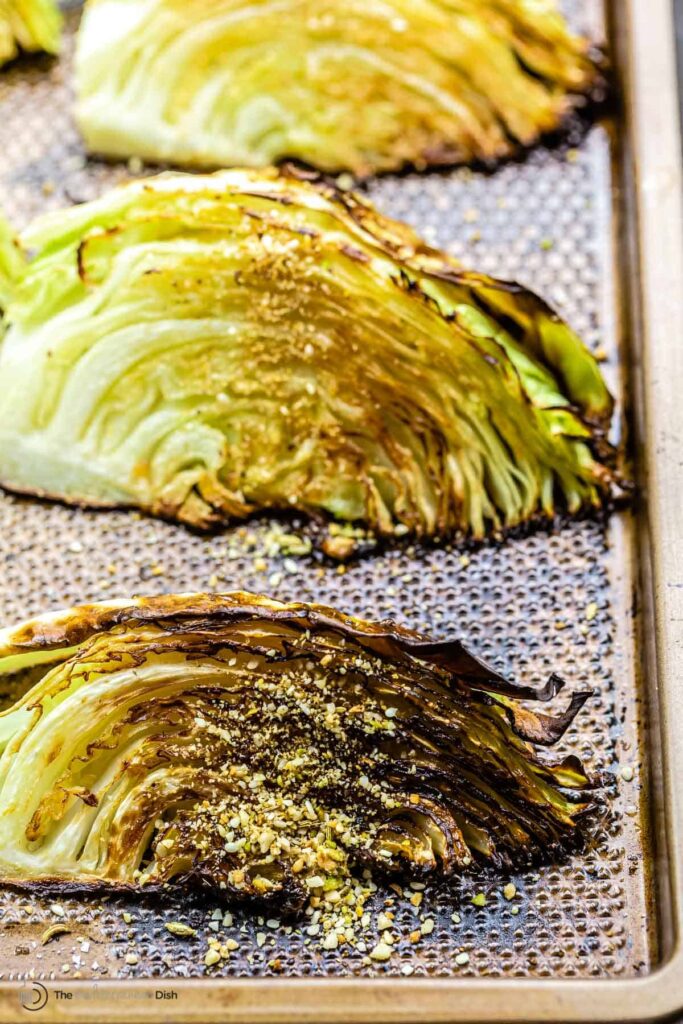
Verza, also known as Brassica oleracea, is an Italian ingredient that has been cultivated for centuries not only for its taste but also for its medicinal properties. Native to the Mediterranean region, verza is a type of cabbage that is rich in vitamins, minerals, and antioxidants. In this article, we will delve into the nutritional properties of verza, explore its uses in various recipes, and provide you with some mouth-watering ideas for incorporating it into your meals.
What is Verza?
Verza is a cool-season crop that belongs to the Brassicaceae family. It is a type of cabbage that is characterized by its dense, compact leaves and its ability to thrive in temperate climates. There are several types of verza, including white, green, and red varieties, each with its own unique flavor profile and nutritional content.
Nutritional Properties of Verza
Verza is an excellent source of water, containing up to 90% water content. This makes it a low-calorie food that is perfect for those looking to manage their weight. The remaining 10% consists of proteins, fibers, ceners, sugars, carbohydrates, and essential minerals like calcium, sodium, phosphorus, potassium, magnesium, zinc, and iron.
In addition to its impressive mineral profile, verza is rich in vitamins A, B, and E, which play a crucial role in maintaining healthy skin, hair, and eyes. The high water content also makes it an excellent choice for individuals with digestive issues, as it can help soothe inflammation and promote regular bowel movements.
Health Benefits of Verza
Verza’s nutritional profile offers numerous health benefits, including:
- Digestive Health: The fiber and water content in verza make it an effective natural laxative.
- Antioxidant Properties: The vitamins and minerals in verza help protect cells from damage caused by free radicals.
- Cardiovascular Health: The potassium content in verza can help lower blood pressure and reduce the risk of heart disease.
- Immune System Support: The antioxidants in verza may help boost the immune system and prevent illnesses like the common cold.
Delicious Recipes with Verza
Verza is an incredibly versatile ingredient that can be used in a variety of dishes, from soups to salads. Here are some mouth-watering ideas for incorporating verza into your meals:
- Involtini di Verza e Patate al Curry: A creative take on traditional involtini, this recipe combines sautéed verza and potatoes with curry spices.
- Verza Stufata con Pancetta: A hearty winter stew made with verza, pancetta, and a variety of vegetables.
- Zuppa di Verza: A comforting soup that showcases the flavor and nutritional benefits of verza.
Tips for Cooking with Verza
When working with verza, it’s essential to handle it gently to avoid bruising or damaging its delicate leaves. Here are some tips for cooking with verza:
- Choose Fresh Leaves: Select fresh, crisp leaves for the best flavor and texture.
- Use Gentle Heat: Sauté or steam verza using gentle heat to preserve its nutrients and flavor.
- Experiment with Recipes: Don’t be afraid to try new recipes and combinations – verza is a versatile ingredient that can add depth and excitement to any dish.
Conclusion
Verza is more than just another vegetable – it’s a nutritional powerhouse that offers numerous health benefits and delicious culinary possibilities. Whether you’re looking for ways to boost your immune system or simply want to add some variety to your meals, verza is an excellent choice. With its versatility in cooking and impressive nutritional profile, verza is sure to become a staple ingredient in your kitchen.
Frequently Asked Questions
- What is the best way to store verza?
Verza can be stored in the refrigerator for up to 1 week or frozen for up to 3 months. - Can I use verza in soups and stews?
Yes, verza is an excellent addition to soups and stews due to its mild flavor and high nutritional content. - Is verza suitable for individuals with digestive issues?
Verza’s fiber and water content make it an effective natural laxative, but individual results may vary. Consult a healthcare professional before consuming verza if you have digestive concerns.
Q: Is verza good for lowering cholesterol levels?
A: Yes, the potassium content in verza can help lower blood pressure and reduce the risk of heart disease.
Q: Can I use verza in place of other leafy greens like spinach or kale?
A: While verza is nutritious, it has a unique flavor profile that may not be suitable for all recipes. Experiment with different combinations to find what works best for you.
Q: How can I incorporate verza into my diet?
A: There are many ways to incorporate verza into your diet, including adding it to soups and stews, using it in salads, or sautéing it as a side dish. Experiment with different recipes and combinations to find what works best for you.
Q: Can I grow verza at home?
A: Yes, verza can be grown at home in a variety of conditions. It prefers well-drained soil and full sun to partial shade. Consult a gardening expert or online resources for more information on growing verza at home.


