
Introduction
As we step into the world of butterflies, we are met with a kaleidoscope of colors and shapes that leave us in awe. But beyond their beauty, these creatures hold secrets to their lives, habitats, and behaviors that are waiting to be uncovered. In this article, we will delve into the fascinating world of butterflies, exploring where they live, how they feed, what makes them tick, and why it’s essential to protect these delicate wonders.
Butterflies are one of the most recognizable insects, with over 20,000 known species spread across the globe. They can be found in almost every habitat, from the frozen tundra to the hottest deserts. These creatures have been on our planet for over 200 million years, evolving into the diverse range we see today.
From their delicate wings to their intricate life cycles, butterflies are a true marvel of nature. But as with any living creature, there is more to these insects than meets the eye. In this article, we will explore the fascinating world of butterflies, shedding light on their habits, habitats, and behaviors.
Understanding Butterfly Migration
Before we dive into the specifics of where to find butterflies, let’s talk about their unique life cycle. Butterflies live in their most beautiful form for a limited period, but in other stages, they exist as chrysalises or caterpillars. From spring to summer, these colorful creatures can be spotted in fields, forests, meadows, and even urban gardens.
The life cycle of a butterfly typically consists of four stages: egg, larva, pupa, and adult. The female butterfly lays her eggs on a leaf or stem, which hatch into caterpillars after several days. The caterpillar feeds on the plant’s leaves, growing and molting several times before reaching its full size. When it’s ready, the caterpillar attaches itself to a branch or a leaf and forms a chrysalis. Inside this protective casing, the caterpillar undergoes a dramatic transformation, emerging as an adult butterfly.
Butterflies migrate to find food, escape harsh weather conditions, and breed with other butterflies. Some species are migratory, while others are resident birds. The Monarch butterfly is one of the most famous migrants in the world, traveling thousands of miles each year from Canada to Mexico.
The Sweet Tooth of Butterflies
So, where do butterflies live? The answer lies in their dietary preferences. These delicate creatures feed on nectar from flowers, which is why you’ll find them flitting about blossoms. But did you know that some species have modified mouthparts to suck up sweet substances from decaying fruit or vegetation?
For instance, the Vanesse and Apatura iris feed on plant matter in decomposition. These butterflies are known as “leaf-feeding” butterflies, meaning they don’t visit flowers for nectar like other butterfly species do.
Butterflies also need water to survive. They drink from puddles, ponds, and even birdbaths. In the wild, they can be found near streams, rivers, or lakes, where they can find a constant supply of water.
Butterfly Diversity in Italy
Italy boasts an impressive 289 species of butterflies, making it a hotspot for biodiversity. From pollinator butterflies to silk moths, each habitat has its unique inhabitants. If you’re looking for specific species, such as the Vanesse or Apatura, you can find them in forests and urban gardens.
Butterfly Habitats Around Italy
- Forests: Look out for Vanesse and Apatura, which thrive in these environments.
- Urban Gardens: Great spots to spot butterflies like Anteos menippe.
- Prairies: Large areas of open grasslands are home to species like Colias and Pierid.
The Delicate Wings of Butterflies
When observing a butterfly up close, you’ll notice its delicate wings covered in a fine powder. These squames are incredibly fragile and can break if touched. This is why it’s essential to appreciate them from a distance and not touch their wings.
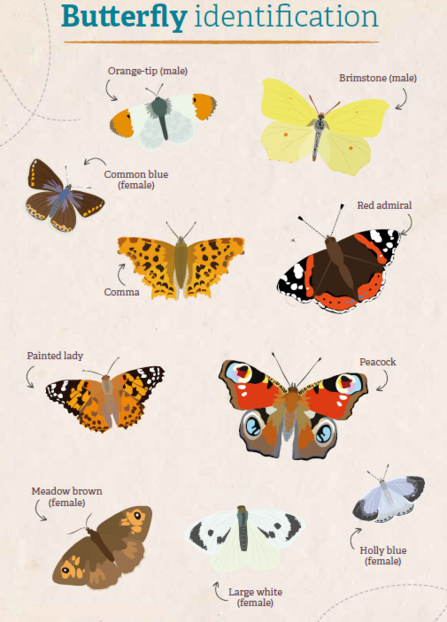
Butterfly wings are made up of tiny scales that reflect light and create the beautiful colors we see. The scales on butterfly wings are arranged in specific patterns, which help to identify different species. For instance, the presence of black spots can indicate the species is a member of the Vanesse family.
Butterfly Conservation: Protecting Endangered Species
Unfortunately, many butterfly species in Italy are facing extinction due to habitat loss, climate change, and other environmental factors. The Ministry of the Environment has compiled a list of endangered butterflies, including species like Zerynthia cassandra and Melanargia arge.
To protect these beautiful creatures, we need to take action. One way is by planting butterfly-friendly gardens in our own backyards or communities. By creating habitats that cater to their needs, we can help support local populations and ensure the long-term survival of these insects.
Helping Butterflies Thrive: Planting Butterfly-Friendly Plants
To create a butterfly-friendly garden, you’ll need plants that attract butterflies with nectar, host plants for caterpillars, and water sources. Some of the best plants for attracting butterflies include:
- Sunflowers
- Zinnias
- Marigolds
- Lavender
- Milkweed
You can also use native plants in your garden to support local butterfly populations.
Conclusion
Butterfly enthusiasts, rejoice! With this article, you now know where to find these magnificent creatures, how they feed, and what makes them tick. But more importantly, we hope you’ll join us in our mission to protect these delicate wonders and ensure their survival for generations to come.
By learning about the fascinating world of butterflies, we can appreciate their beauty, importance, and vulnerability. As we continue to face environmental challenges, it’s crucial that we prioritize conservation efforts and work towards protecting these incredible creatures.
FAQs
- What time of year are butterflies most active?
- Where can I find butterfly-friendly plants?
- How do I help protect endangered butterfly species?
- Can I touch a butterfly’s wings without harming it?
- What is the best way to observe a butterfly in its natural habitat?
- How long do butterflies live?
- What are some common food sources for butterflies?
- How can I support butterfly conservation efforts?
Whether you’re a seasoned butterfly enthusiast or just starting to explore this fascinating world, there’s always more to learn and discover. By sharing your knowledge with others and taking action to protect these incredible creatures, we can work together towards a future where butterflies thrive.
Stay curious, keep learning, and let’s cherish the beauty of these delicate wonders!


