
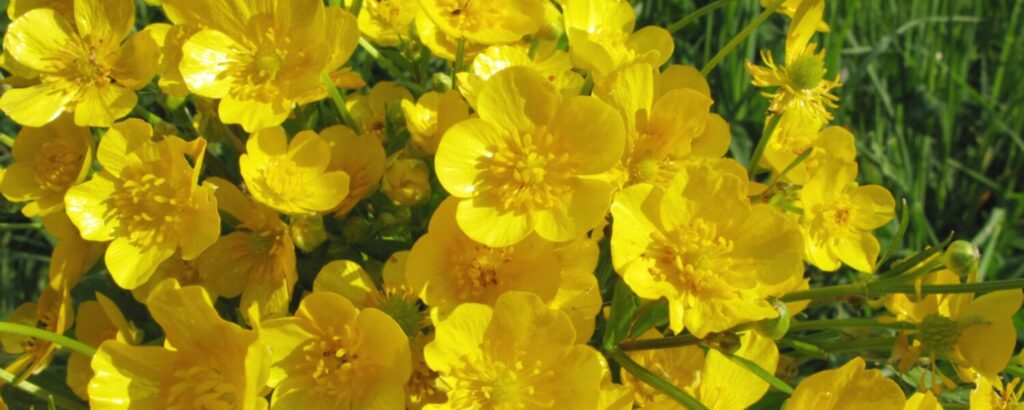
Introduction
If you’re looking for a romantic and delicate flower to add some elegance to your garden or bouquet, look no further than the ranunculus. With over 400 species to choose from, these flowers come in a wide range of colors, shapes, and sizes. In this article, we’ll delve into the world of ranunculi, exploring their history, care requirements, and uses in floral arrangements.
What are Ranunculi?
Ranunculi are a type of flower that belongs to the genus Ranunculus. The name “ranunculus” comes from the Greek word for “small frog,” which refers to the plant’s delicate appearance. There are two main types of ranunculi: the Asian species (Ranunculus asiaticus) and the Western species. While both types are popular, the Asian species is more commonly found in gardens and floral arrangements.
History of Ranunculi
The history of ranunculi dates back to the 16th century when they were first cultivated in Europe. These delicate flowers quickly gained popularity among florists and gardeners due to their early blooming period, which makes them a great choice for spring arrangements. Today, ranunculi are grown worldwide for both ornamental and medicinal purposes.
Ranunculus: The Perfect Spring Bloomer
One of the reasons why ranunculi are so popular is their ability to bloom early in the season. This makes them an ideal choice for spring gardens and floral arrangements. Ranunculus flowers come in a wide range of colors, including white, yellow, pink, red, and even green. While they don’t have a strong fragrance like some other flowers, their delicate appearance and vibrant colors make them a standout in any arrangement.
Growing Ranunculi
Ranunculi are relatively easy to grow, making them a great choice for beginners. They thrive in moist environments with plenty of sunlight. However, be careful not to overwater, as this can lead to root rot. When growing ranunculi, it’s also essential to provide them with well-draining soil and a slightly acidic pH.
Popular Varieties of Ranunculus
There are many different varieties of ranunculus to choose from, each with its unique characteristics. Some popular varieties include:
- Ranunculus asiaticus: This is one of the most common types of ranunculi, known for its delicate white and yellow flowers.
- Ranunculus aconitifolius: This variety has striking purple flowers with a golden center and dark green foliage.
- Ranunculus amplexicaulis: This type of ranunculus has delicate pink flowers with a golden center, making it a popular choice for spring arrangements.
Using Ranunculi in Floral Arrangements
Ranunculi are a versatile flower that can be used in a variety of floral arrangements. They’re particularly popular in bouquets and corsages due to their delicate appearance and vibrant colors. To create a stunning arrangement with ranunculi, try combining them with other flowers like tulips, daffodils, and hyacinths.
Care Requirements for Ranunculus
Ranunculus require specific care to thrive. Here are some tips:
- Watering: Runneculsi need regular watering but can be prone to root rot if overwatered.
- Sunlight: They prefer partial shade but can tolerate full sun in warmer climates.
- Soil pH: Ranunculus thrive in slightly acidic soil with a pH between 5.5 and 6.5.
- Fertilization: Regular fertilization is necessary to promote healthy growth.
Tips for Growing Ranunculus
Here are some additional tips for growing ranunculi:
- Planting Time: In cooler climates, plant ranunculi in the fall or early spring when temperatures are mild.
- Deadheading: Remove spent flowers regularly to encourage new blooms.
- Support: Provide support for tall varieties to prevent them from toppling over.
Using Ranunculus in Wedding Arrangements
Ranunculi can be a beautiful addition to any wedding arrangement. Here are some tips:
- Mix with other flowers: Combine ranunculi with other spring flowers like tulips, daffodils, and hyacinths.
- Add some greenery: Incorporate some eucalyptus or ferns for added texture and color.
- Choose a variety: Select a variety of ranunculus that suits your color scheme and style.
Conclusion
Ranunculi are a beautiful and delicate flower that can add elegance and charm to any garden or floral arrangement. With their early blooming period, wide range of colors, and versatility in care requirements, they’re an ideal choice for spring gardens and bouquets. By following the tips outlined above, you can enjoy these lovely flowers all season long.
Frequently Asked Questions
- Q: Are ranunculi toxic?
- A: Ranunculus are not typically toxic to humans or animals, but they do contain a sap that can cause skin irritation.
- Q: How do I care for ranunculus plants?
- A: Runneculsi prefer well-draining soil and partial shade. Make sure to water them regularly and fertilize every few weeks.
-
Q: Can I use real ranunculi in my bouquet, or should I choose artificial ones?
- A: Both options are suitable for bouquets. Real ranunculus will add a natural beauty to your arrangement, while artificial ones can provide a more affordable and longer-lasting option.
-
Q: Are ranunculi easy to grow?
- A: Yes, ranunculus plants are relatively easy to care for.
-
Q: What is the difference between Ranunculus asiaticus and Ranunculus aconitifolius?
- A: Ranunculus asiaticus is known for its delicate white and yellow flowers. The other variety of ranunculi has striking purple flowers with a golden center.
-
Q: Can I use ranunculus in my garden, or should I keep them as cut flowers only?
- A: You can definitely grow your own ranunculus plants in your garden and enjoy them for months to come.
-
Q: How long do ranunculi last in a bouquet?
- A: The lifespan of ranunculi depends on the care and handling they receive, but with proper care, they should last several days.
-
Q: Can I use artificial ranunculus in my wedding or other special occasion?
- A: Yes, artificial ranunculus can be a great option for weddings, proms, and other events where fresh flowers may not be practical or feasible.
- Q: How do I dry ranunculi after cutting them?
- A: You can air-dry your cut ranunculus by hanging them upside down in a warm place.


