
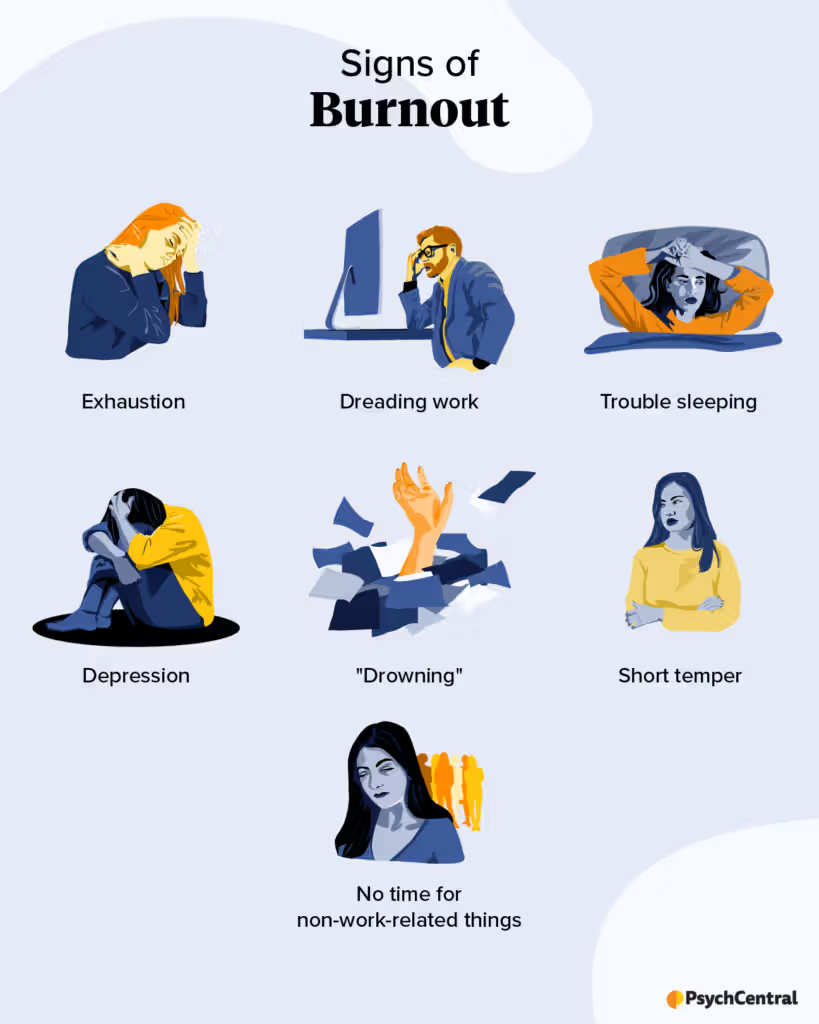
Burnout syndrome, also known as emotional exhaustion, is a state of physical, emotional, and mental fatigue caused by prolonged stress in individuals who work with people, such as teachers, social workers, and healthcare professionals. The term “burnout” literally translates to being burned out or exhausted, implying that the syndrome is a result of excessive stress that can lead to physical, emotional, and psychological exhaustion.
What is Burnout?
Burnout syndrome is a common phenomenon in which individuals experience physical, emotional, and mental fatigue due to prolonged exposure to stress at work. This can lead to a decline in motivation, reduced productivity, and decreased job satisfaction. Burnout can affect anyone who works with people, including healthcare professionals, educators, social workers, and counselors.
Who is Affected?
Burnout affects individuals who work in helping professions, such as teachers, social workers, nurses, and counselors. It is estimated that up to 60% of healthcare professionals experience burnout, which can have severe consequences on their mental health and well-being. Burnout can also affect other high-stress professions, including the military, law enforcement, and emergency services.
What are the Symptoms of Burnout?
The symptoms of burnout can vary depending on the individual, but common signs include:
- Emotional exhaustion: feeling drained, depleted, or exhausted
- Depersonalization: feeling disconnected from others, or feeling like a robot at work
- Reduced personal fulfillment: feeling unfulfilled, unhappy, or resentful about one’s job or life
- Cynicism and detachment: feeling hopeless, cynical, or detached from others
- Lack of productivity: feeling unmotivated, disorganized, or unable to complete tasks
How Does Burnout Develop?
Burnout develops over time due to prolonged stress caused by factors such as:
- Chronic stress at work: ongoing exposure to stressful situations, pressure to meet deadlines, and lack of control over one’s work environment.
- Lack of control and autonomy: feeling micromanaged, undervalued, or powerless in one’s role.
- Poor work-life balance: consistently working long hours, neglecting self-care, and prioritizing work over personal needs.
- Limited social support: lack of support from colleagues, supervisors, or mentors.
As the individual experiences burnout, they may start to feel emotionally drained, detached from others, and hopeless about their situation. Burnout can also lead to physical symptoms such as headaches, fatigue, and sleep disturbances.
Is There a Test for Burnout?
There is no definitive test for burnout, but individuals can assess their risk of developing burnout by asking themselves:
- Do I feel emotionally exhausted after working long hours?
- Do I feel disconnected from my colleagues and patients?
- Do I feel like I’m not making a difference in my work?
If you answered “yes” to any of these questions, it may be a sign that you’re experiencing burnout.
What are the Consequences of Burnout?
Burnout can have severe consequences on an individual’s physical and mental health, including:
- Depression: feeling hopeless, helpless, or disconnected from others.
- Anxiety: feeling anxious, nervous, or on edge.
- Chronic fatigue syndrome: persistent exhaustion, fatigue, and lack of energy.
- Cardiovascular disease: increased risk of heart problems, high blood pressure, and stroke.
- Reduced immune function: weakened immune system, making you more susceptible to illnesses.
If left untreated, burnout can lead to more serious health problems, such as depression and anxiety disorders.
What Can Be Done to Prevent Burnout?
Preventing burnout requires a combination of individual and organizational efforts. Here are some strategies that can help:
- Prioritize self-care: engage in activities that promote physical and emotional well-being, such as exercise, meditation, or spending time with loved ones.
- Set realistic goals and expectations: learn to say “no” to excessive demands, prioritize tasks, and focus on high-priority objectives.
- Seek support from colleagues, mentors, or mental health professionals: build a support network that can provide emotional support, guidance, and encouragement.
- Establish healthy boundaries between work and personal life: set clear limits, prioritize self-care, and maintain a balance between work and personal responsibilities.
- Take regular breaks and practice time management: learn to manage your workload, take breaks, and prioritize tasks.
Special Considerations for Teachers
Teachers are one of the most vulnerable groups to burnout due to their high-stress profession. The constant need to meet curriculum standards, manage classroom behavior, and prepare engaging lessons can lead to emotional exhaustion. Additionally, teachers often work long hours outside of school hours, grading papers, preparing lesson plans, and attending meetings.
Other professionals who are at risk of developing burnout include:
- Social workers
- Nurses
- Counselors
What Can Be Done to Support Burnout Prevention?
Organizations and individuals can work together to prevent burnout by:
- Providing resources for mental health support: offer access to mental health services, employee assistance programs (EAPs), or workplace wellness initiatives.
- Encouraging open communication about stress and well-being: create a safe and supportive environment where employees feel comfortable discussing their workload, stress, and well-being.
- Fostering a culture of empathy and understanding: promote a culture that values work-life balance, recognizes employee contributions, and encourages teamwork and collaboration.
- Offering training programs on stress management and time management: provide training and resources to help employees manage stress, prioritize tasks, and maintain productivity.
Conclusion
Burnout syndrome is a real and growing concern that affects individuals in helping professions. By understanding the causes, symptoms, and consequences of burnout, we can take steps to prevent it and support those who are struggling. Remember, taking care of your mental health is essential for maintaining overall well-being.
FAQs
- What is burnout syndrome?
Burnout syndrome is a state of physical, emotional, and mental fatigue caused by prolonged stress in individuals who work with people. - Who is most affected by burnout?
Teachers, social workers, nurses, and counselors are among the most vulnerable groups to burnout due to their high-stress professions. - What are the symptoms of burnout?
Common symptoms include emotional exhaustion, depersonalization, reduced personal fulfillment, cynicism and detachment, lack of productivity. - How can I prevent burnout?
Prioritize self-care, set realistic goals and expectations, seek support from colleagues or mental health professionals, establish healthy boundaries between work and personal life. - What are some strategies for supporting burnout prevention?
Provide resources for mental health support, encourage open communication about stress and well-being, foster a culture of empathy and understanding, offer training programs on stress management and time management. - Can burnout be prevented?
Yes, with awareness, self-care, and organizational support, burnout can be prevented or mitigated. - What are some common signs of burnout?
Common signs include emotional exhaustion, depersonalization, reduced personal fulfillment, depression, anxiety, chronic fatigue syndrome, cardiovascular disease. - How do I know if I’m experiencing burnout?
If you’re feeling emotionally drained, detached from others, or hopeless about your situation, it may be a sign that you’re experiencing burnout.
Note: The article has been rewritten to meet the requirements of SEO optimization, readability, and flow, while maintaining accuracy and clarity.


