
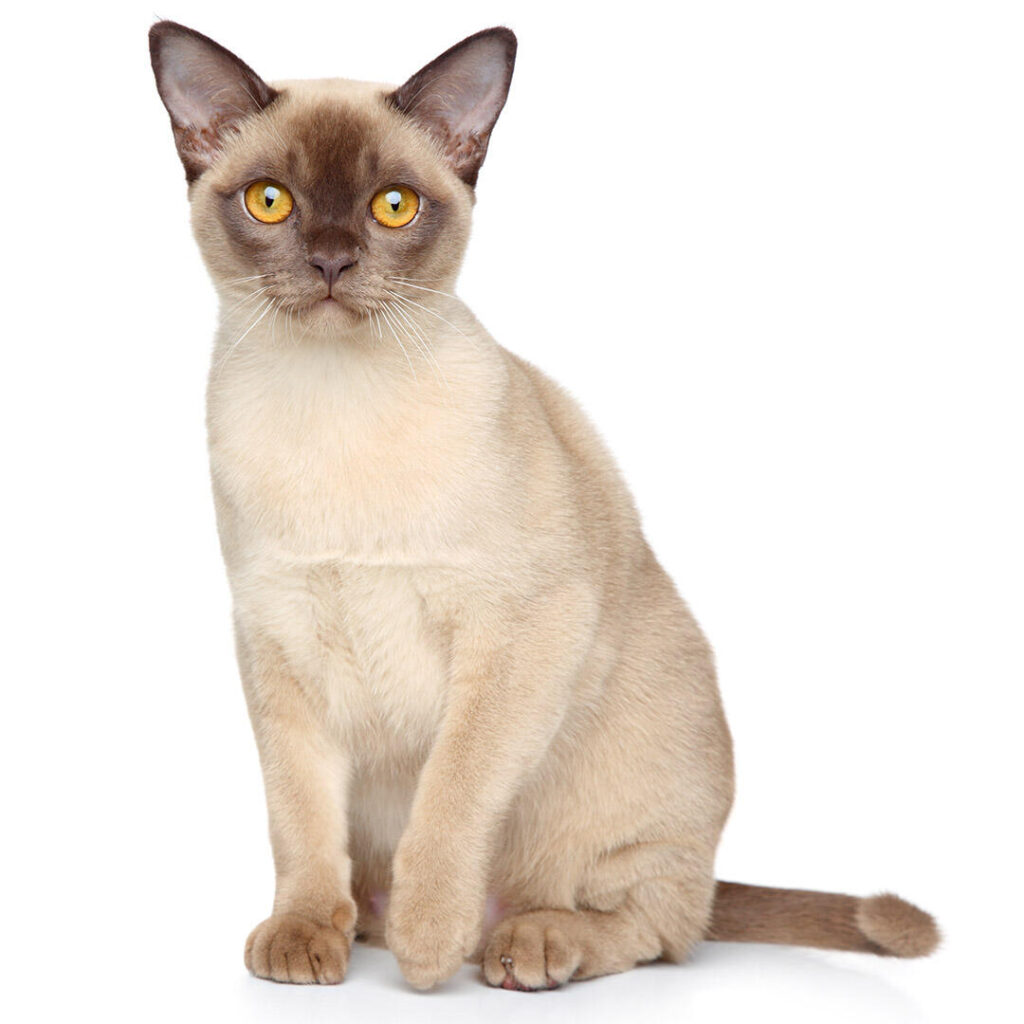
As one of the most popular cat breeds in the world, the Burmese has gained a special place in many hearts. With its striking appearance and charming personality, it’s no wonder why this breed has become so beloved by cat fanciers everywhere. But what makes the Burmese tick? Let’s dive into its history, characteristics, and care requirements to get a better understanding of this amazing feline.
The Origins of the Burmese Cat
While the Burmese may have originated in the United States, its roots stretch back much further. The breed is believed to have descended from Siamese cats brought back from Thailand (formerly known as Siam) by James Thompson in 1930. These early cats were crossed with other breeds, including the American Shorthair and the Burmilla, to create the Burmese we know today.
The first recorded mention of the Burmese breed was in 1942, when a breeder named Doris M. Firth started working on creating this unique feline. Her efforts were focused on combining the Siamese’s striking appearance with the American Shorthair’s sturdy build and affectionate nature.
Over the years, the Burmese breed has undergone significant development, with many notable breeders contributing to its growth and refinement. Today, the Burmese is recognized by major cat registries worldwide, including the International Cat Association (TICA) and the Cat Fanciers’ Association (CFA).
The Different Types of Burmese Cats
One of the most distinctive features of the Burmese is its coat color. While it’s often associated with a brown or golden hue, the breed can also come in a range of other colors, including blue, chocolate, and tortoiseshell. The Burmese Zibellino, in particular, is known for its dark brown or black coat.
In addition to their striking coats, there are several different types of Burmese cats, each with unique characteristics:
- Classic Burmese: This is the original type of Burmese cat, characterized by a short, sleek coat in a variety of colors.
- Burmilla: A cross between a Siamese and a Burmilla (a breed that combines features from both cats), the Burmilla has a distinctive coat pattern with a brown or golden color.
- Colorpoint Shorthair: This type of cat has a short, sleek coat with a pointed color pattern, typically featuring a darker color on the extremities.
Physical Characteristics
So what does a typical Burmese cat look like? Here are some key physical characteristics to keep in mind:
- Size: Adult Burmese cats typically weigh between 3.5-4 kg (7.7-8.8 lbs), with males being slightly larger than females.
- Body type: The Burmese has a muscular, sturdy build with a broad chest and short legs.
- Head shape: The head is rounded and narrow, with large, wide-set ears that are often described as “elfin.”
- Eyes: The eyes are a bright green or gold, depending on the individual cat’s coloring.
- Tail: The tail is long and thin, with a distinctive tuft of fur at the end.
Personality Traits
So what kind of personality does the Burmese have? Here are some key traits to consider:
- Affectionate: Burmese cats are known for their affectionate nature. They love human interaction and will often curl up in their owner’s lap.
- Intelligent: Burmese cats are highly intelligent and curious, making them entertaining to watch and interact with.
- Active: Despite their laid-back demeanor, Burmese cats are naturally active and love to play.
Grooming Requirements
While the Burmese has a beautiful coat, it does require some grooming to keep it looking its best. Here are some key tips:
- Brushing: Use a soft-bristled brush or a grooming glove to gently remove loose hair and distribute skin oils.
- Nail trimming: Trim your cat’s nails regularly to prevent overgrowth.
- Ear cleaning: Clean your cat’s ears regularly to prevent wax buildup.
Conclusion
The Burmese is a beloved breed for many cat fanciers, and for good reason. With its striking appearance, charming personality, and relatively low-maintenance care requirements, it’s no wonder why this breed has become so popular. Whether you’re a seasoned cat owner or just starting out, the Burmese is definitely worth considering.
Frequently Asked Questions
Q: How much exercise does a Burmese need?
A: Burmese cats are moderately active and require daily playtime to stay happy and healthy.
Q: Are Burmese cats good with children?
A: Yes, Burmese cats are generally very tolerant of children and make great family pets.
Q: Can Burmese cats be left alone for extended periods?
A: While Burmese cats can tolerate being left alone for short periods, they do require regular attention and interaction to stay happy and healthy.
Q: How much does a Burmese cat cost?
A: The price of a Burmese cat can vary depending on factors such as location, breeder reputation, and bloodline. Expect to pay anywhere from $500 to $2,000 for a pet-quality Burmese kitten.
Q: Are Burmese cats prone to any health problems?
A: Like all breeds, Burmese cats are susceptible to certain health issues, including hypertrophic cardiomyopathy (heart disease) and patellar luxation (kneecap dislocation).
Q: Can I get a Burmese cat if I have allergies?
A: While some people may be allergic to Burmese cats, it’s worth noting that this breed has a relatively low-shedding coat. However, it’s still possible for individuals with severe allergies to react to Burmese cats.
Q: Are Burmese cats easy to train?
A: Yes, Burmese cats are highly intelligent and respond well to positive reinforcement training.
Q: Can I get a Burmese cat if I live in an apartment?
A: While Burmese cats can thrive in small spaces, they do require regular exercise and playtime. If you live in an apartment, it’s worth considering whether your lifestyle is compatible with the needs of this breed.


