
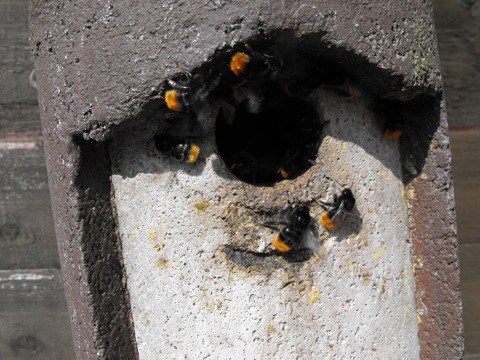
As we go about our daily lives, there are many creatures that buzz around us, some of which can be quite intimidating. Among these, wasps stand out for their striking appearance and fearsome reputation. One species in particular, known as calabrones, has long been shrouded in mystery and misconception. In this article, we will delve into the fascinating world of calabrones, exploring their habits, habitats, and behaviors.
What are Calabrones?
The term “calabrone” is often used to refer to various species of wasps that exhibit similar characteristics. However, not all wasps that are referred to as calabrones are actually calabrones. In fact, the name “calabrone” refers specifically to a type of wasp known scientifically as Vespa crabro. This wasp is one of the largest European species and is also known as the “Aponale” or “Cravunaro Red”.
The Anatomy of a Calabrone
A calabrone’s physical appearance can be quite striking. As adults, they have a sleek, glabrous body with a reddish-brown color and distinctive yellow stripes. The size of a calabrone varies depending on its age and sex, with queens reaching lengths of up to 50mm and workers measuring around 20-25mm.
Diet and Habitat
Calabrones are carnivorous insects that feed on a variety of prey, including other wasps, bees, and even small vertebrates. They are also known to scavenge for fruit, particularly sweet fruits like berries and melons. In terms of habitat, calabrones can be found in a wide range of environments, from forests to urban areas.
The Social Structure of Calabrones
Calabrones live in complex social hierarchies, with queens dominating the colony and workers carrying out various tasks such as foraging and caring for young. The queen is responsible for laying eggs and ensuring the survival of the colony, while workers focus on defending the nest and hunting for food.
Nesting Habits of Calabrones
Calabrones build complex nests that can be found in a variety of locations, including trees, rocks, and even abandoned buildings. These nests are made up of paper-like material, which is constructed from wood pulp and saliva. The nests can be quite large, with some specimens reaching weights of up to 80 grams.
The Mysterious Case of the Calabrone’s Flight
Despite their fearsome reputation, calabrones are capable of flight, but their flying abilities have long been the subject of myth and legend. Recent studies have revealed that calabrones beat their wings at an incredible rate of 230 times per second, making them some of the fastest fliers in the insect world.
The Sting of a Calabrone
While calabrones are capable of inflicting painful stings, they do not typically target humans as prey. However, female calabrones possess a potent venom that can cause an allergic reaction in some individuals. In rare cases, multiple stings can lead to more severe complications.
Trapping Calabrones: A Low-Impact Solution
When dealing with calabrone infestations, it’s essential to consider low-impact solutions that minimize harm to the environment. One such solution is the use of homemade traps made from plastic bottles and sugar water. These traps can be placed in areas where calabrones are most active, allowing you to catch the insects without using toxic chemicals.
The Importance of Calabrone Nest Sites
Calabrone nests can provide valuable insights into the biology and ecology of these fascinating insects. By studying the nesting sites of calabrones, researchers can gain a better understanding of their behavior, habitat preferences, and population dynamics. This knowledge can be used to inform conservation efforts and promote the protection of calabrone habitats.
Calabrones in Art and Culture
Throughout history, calabrones have been depicted in art and literature as fearsome and intimidating creatures. However, this portrayal often belies their fascinating biology and behavior. By exploring the cultural significance of calabrones, we can gain a deeper appreciation for these insects and their importance in our ecosystem.
Conclusion
In conclusion, the world of calabrones is far more fascinating than we might initially suspect. By exploring their habits, habitats, and behaviors, we can gain a deeper appreciation for these often-misunderstood insects. Whether you’re an entomologist or simply someone who appreciates the natural world, there’s much to learn from these incredible creatures.
FAQs
- Are all wasps called calabrones?
No, not all wasps are referred to as calabrones. The term “calabrone” specifically refers to a type of wasp known scientifically as Vespa crabro. - What is the average lifespan of a calabrone queen?
The average lifespan of a calabrone queen is around 1-2 years, during which time she will lay thousands of eggs and ensure the survival of her colony. - Can calabrones fly at night?
Yes, calabrones are capable of flying at night, although they tend to be more active during daylight hours. - Are calabrone stings usually painful?
Calabrone stings can be quite painful, especially if you’re allergic to their venom. However, most people experience only minor discomfort and inflammation. -
Can I use commercial insecticides to trap calabrones?
No, it’s generally recommended to avoid using commercial insecticides when dealing with calabrone infestations. Instead, consider using low-impact solutions like homemade traps or calling a pest control professional. -
How do calabrones build their nests?
Calabrones construct complex paper-like nests using wood pulp and saliva. These nests can be found in a variety of locations, including trees, rocks, and even abandoned buildings. - Can I trap calabrones in my garden?
Yes, you can use homemade traps made from plastic bottles and sugar water to catch calabrones in your garden. Place the trap in areas where calabrones are most active and enjoy a pest-free garden! -
Are calabrones beneficial insects?
While calabrones are often feared for their stings, they play an important role in controlling pest populations and maintaining ecosystem balance. -
Can I keep calabrones as pets?
No, it’s not recommended to keep calabrones as pets. While they can be fascinating creatures to observe, they are wild animals that require specialized care and housing. - Are calabrones endangered?
While calabrones are not currently considered an endangered species, their populations are declining in some areas due to habitat loss, climate change, and other human activities.
By exploring the fascinating world of calabrones, we can gain a deeper appreciation for these incredible insects and work towards their conservation. Whether you’re an entomologist or simply someone who appreciates the natural world, there’s much to learn from these amazing creatures.


