
As we navigate our increasingly complex lives, one thing is clear: technology plays a significant role in enhancing our daily experiences. Two terms that have become synonymous with innovation and efficiency are building automation and domotica. But what sets them apart?
At their core, both concepts focus on leveraging technology to improve the quality of life within homes and buildings. However, the scope of application differs significantly between the two.
Domotica: The Home Automation Revolution
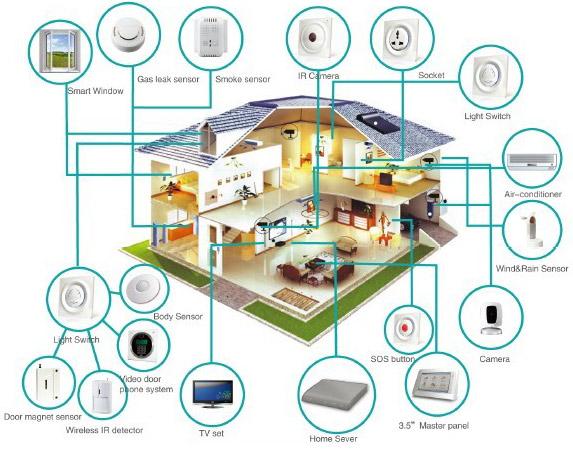
Domotica typically refers to home automation, encompassing the ability to manage household appliances, lighting, blinds, and other devices using a centralized system. This allows individuals to control their living space with ease, creating a more comfortable and convenient environment. Think of it as the “smart home” revolution – where every device is connected and can be controlled remotely.
However, domotica remains confined to the domestic sphere, focusing primarily on the comforts of one’s own home. While this may seem limited in scope, the impact of domotica on daily life cannot be overstated. For instance:
- Convenience: With domotica, users can adjust lighting levels, temperature, and entertainment systems with ease, creating a more relaxed atmosphere.
- Energy Efficiency: Domotica allows homeowners to optimize energy consumption by turning off lights, appliances, or heating/cooling systems when not in use.
- Enhanced Safety: Automated security systems and emergency response protocols can be integrated into domotica, providing an added layer of protection.
Building Automation: A Higher Level of Efficiency
Building automation, on the other hand, takes a broader approach. It encompasses not only residential areas but also entire buildings – including offices, commercial spaces, and even industrial facilities. This level of control enables administrators to optimize energy consumption, regulate lighting and climate systems, and integrate various building systems with ease.
In essence, building automation is about creating a more efficient, responsive, and intelligent environment that extends beyond the confines of individual homes. Building automation offers numerous benefits, including:
- Cost Savings: By optimizing energy consumption and reducing waste, building automation can lead to significant cost savings for organizations.
- Improved Occupant Experience: Automated systems can create a more comfortable and convenient work environment, boosting productivity and job satisfaction.
- Enhanced Sustainability: Building automation enables organizations to reduce their environmental footprint, contributing to a more sustainable future.
The Intersection of Efficiency and Sustainability
While both concepts share a common goal – improving quality of life through technological advancements – their focus areas diverge. Today, however, the conversation around domotica and building automation often centers on energy efficiency and sustainability. By leveraging smart technologies, we can reduce our carbon footprint, minimize waste, and create more eco-friendly living spaces.
Real-World Applications: Success Stories
Let’s take a closer look at some of the practical applications that illustrate the potential of both concepts:
- Energy Savings: A study by the ZVEI association found that building automation systems can reduce energy consumption by up to 80%.
- Comfort Optimization: Domotica enables homeowners to control temperature, ventilation, and lighting within individual rooms, resulting in significant energy savings (up to 45%).
- Smart Windows: “Tapparelle intelligenti” allow buildings to regulate natural light and heat, optimizing energy efficiency.
KNX: The Standard for Building Automation and Domotica
When discussing building automation and domotica, it’s essential to mention KNX – the widely recognized standard for these applications. As an open standard, KNX allows for seamless integration across different systems and platforms, making it a crucial component in creating efficient, responsive buildings.
Conclusion: The Future of Building Automation and Domotica
As technology continues to evolve and interconnect our lives, understanding the differences between building automation and domotica is vital. By embracing these concepts, we can create more sustainable, energy-efficient living spaces that prioritize both comfort and environmental responsibility.
Frequently Asked Questions (FAQs)
- What is the primary difference between building automation and domotica?
- How do building automation systems impact energy consumption?
- Can smart windows make a significant difference in energy efficiency?
- How does KNX contribute to the standardization of building automation and domotica?
- What are some common applications of building automation and domotica?
- How can smart home technology benefit individuals and communities?
- What role do domotica and building automation play in reducing carbon emissions?
- Can we expect to see more widespread adoption of these technologies in the future?
By exploring the distinctions between building automation and domotica, you can better understand their potential applications and how they contribute to a more sustainable future.


