
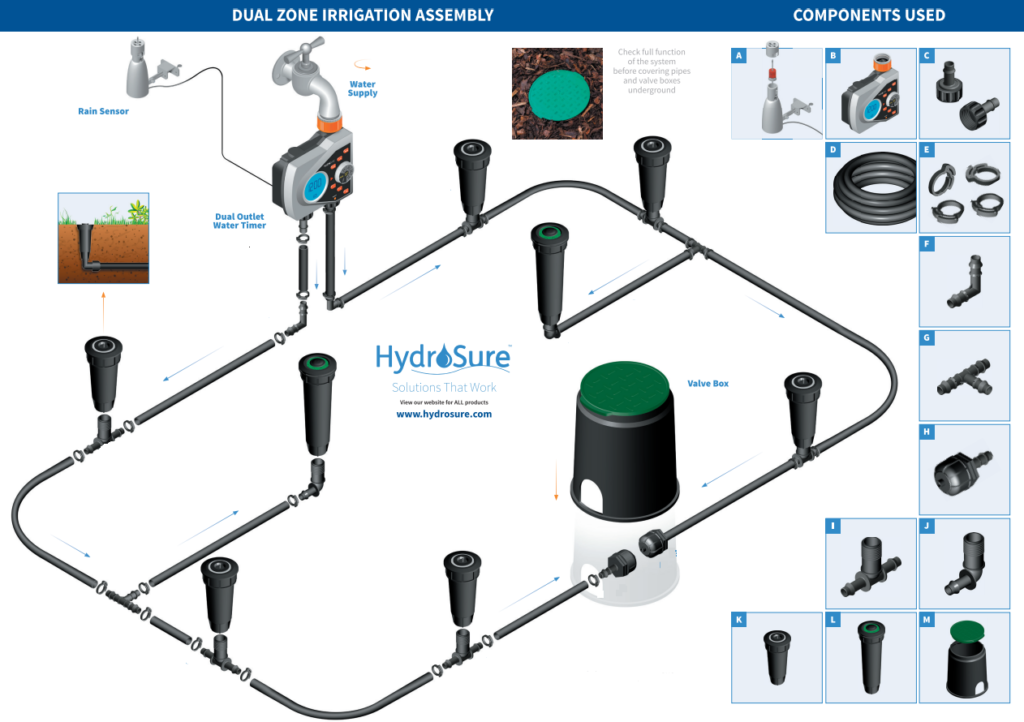
Understanding the Benefits of an Underground Irrigation System
As a gardener, you’re likely no stranger to the challenges of maintaining a large garden. One effective solution is creating an underground irrigation system, which eliminates the need for visible pipes and provides precise control over watering schedules. In this article, we’ll explore how to build an underground irrigation system and discuss its benefits.
What is an Underground Irrigation System?
An underground irrigation system is a network of tubes that deliver water directly to your plants, reducing evaporation and runoff. By burying the pipes beneath your lawn or garden bed, you can create a customized watering schedule that meets the specific needs of each plant.
Calculating Water Flow: A Simple Formula
To determine the water flow rate of your irrigation system, you’ll need to calculate the amount of water delivered per hour. This can be done using a simple formula:
Water Flow (liters/hour) = Volume of Container / Time to Fill
For example, if a 2-liter bottle takes 10 seconds to fill, the calculation would be:
(2 liters / 10 seconds) x 2500 liters/hour = 500 liters/hour
Gathering Materials and Tools
To build an underground irrigation system, you’ll need the following materials and tools:
- Central programming controller
- Electrovalves
- Polyethylene tubing
- Pop-up irrigators
- Collars for irrigation outlet
- Gravel or sand
- Shovels and trowels
Step 1: Designing Your System
The first step in building an underground irrigation system is to design your layout. Use a graph paper to sketch out the dimensions of your garden, highlighting areas that require more water than others.
Key Considerations:
- Tree location: Position irrigators near trees to avoid overwatering their roots.
- Shade: Place irrigators in shaded areas to prevent evaporation.
- Growth patterns: Adjust irrigation schedules according to plant growth and seasons.
Step 2: Planning the Irrigation Pathway
Before digging, test your design using a mock-up on paper or digital software. This will help you visualize how water flows through the system and identify any issues with accessibility or visibility.
Key Considerations:
- Pathways: Plan for at least 1 meter of clearance between irrigators.
- Gates: Ensure gates are wide enough to allow easy access for maintenance.
- Drainage: Install drains to prevent water accumulation around plants.
Step 3: Digging the Irrigation Channels
Using a shovel or trenching machine, dig trenches for the irrigation tubing. Make sure the trenches are at least 30 cm deep and slightly curved to accommodate natural drainage.
Key Considerations:
- Trench depth: Ensure trenches are deep enough to prevent water from seeping into nearby pipes.
- Curvature: Use a gentle curve to promote even water flow.
Step 4: Installing the Irrigation System
Once you’ve dug the channels, install the irrigation system by:
- Digging holes for pop-up irrigators
- Laying down gravel or sand for drainage and stability
- Burying polyethylene tubing with electrovalves and central programming controllers
Key Considerations:
- Pop-up location: Position irrigators near plants to ensure maximum coverage.
- Gravel depth: Ensure the gravel layer is deep enough to prevent pipe damage.
Choosing the Right Materials
When selecting materials for your underground irrigation system, consider factors such as durability, corrosion resistance, and cost. Some popular options include:
- Polyethylene tubing: A flexible and resistant material that’s suitable for most applications.
- Gravel or sand: Used for drainage and stability in trench channels.
Tips for Successful Installation
To ensure a successful installation, follow these tips:
- Measure carefully: Take precise measurements of your garden and irrigation system to avoid errors.
- Dig slowly: Use a shovel or trenching machine to dig trenches at a slow pace to prevent damage to pipes or tubing.
- Test thoroughly: Inspect the entire system before turning it on to ensure there are no leaks or other issues.
Troubleshooting Common Issues
When building an underground irrigation system, common issues may arise. Here are some troubleshooting tips:
- Leaks: Identify the source of the leak and repair it promptly.
- Clogs: Use a plumbing snake or plumber’s auger to clear clogs in your pipes.
- Overwatering: Adjust your watering schedule to avoid overwatering plants.
Conclusion
Building an underground irrigation system requires careful planning, precise execution, and a solid understanding of water flow rates. By following these steps and considering key factors such as tree location, shade, and growth patterns, you can create a customized watering schedule that meets the unique needs of each plant in your garden.
Frequently Asked Questions
Q: How often should I check my irrigation system?
A: Regularly inspect your system for signs of damage or leaks. Check for signs such as dry spots on plants or clogged filters.
Q: Can I use any type of water for irrigation?
A: Use clean, filtered water to prevent contamination and ensure optimal plant growth. Avoid using tap water with high levels of minerals or chemicals.
Q: What are some common issues that may arise with underground irrigation systems?
A: Common issues include overwatering, underwatering, and pipe damage due to soil erosion or roots growing into the pipes.
Q: How can I ensure optimal plant growth and health when using an underground irrigation system?
A: Monitor plant growth closely, adjust watering schedules as needed, and use a balanced fertilizer program to promote healthy plant development.
Q: Can I use an underground irrigation system for both residential and commercial applications?
A: Yes, but consider factors such as water usage, soil type, and plant species when designing the system. Consult with a professional if you’re unsure about any aspect of the installation process.


