
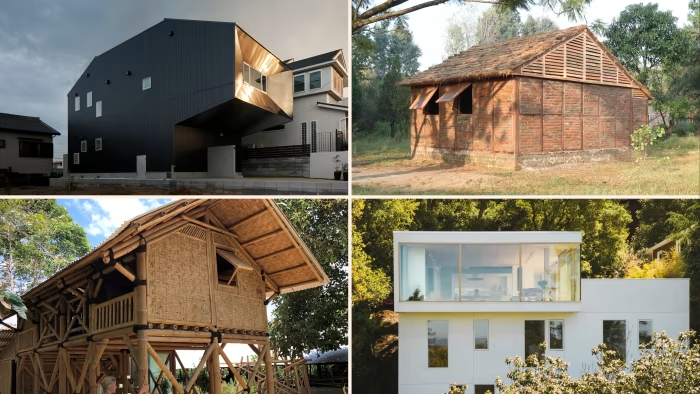
As the Italian region of Emilia-Romagna continues to grapple with the devastating effects of earthquakes, many are left wondering what they can do to protect their homes from such disasters. Building an earthquake-resistant home is not only a matter of safety but also a wise investment in the future. In this article, we will delve into the world of seismic construction and explore the principles, materials, and considerations that go into building a home that can withstand even the most intense earthquakes.
Understanding the Risks: Identifying Earthquake-Prone Areas
Before constructing or renovating your home, it’s essential to understand the earthquake risks in your area. The Italian National Institute of Geophysics and Volcanology (INGV) classifies areas into four categories based on their seismic activity:
- Level 1: High-risk zones, characterized by frequent earthquakes and a high likelihood of significant damage.
- Level 2: Medium-risk zones, with less frequent but still significant earthquakes.
- Level 3: Low-risk zones, with infrequent earthquakes and minimal potential for damage.
- Level 4: Very low-risk zones, with rare earthquakes and little to no potential for damage.
By identifying your area’s seismic risk level, you can take the necessary steps to design and build an earthquake-resistant home.
Designing an Earthquake-Resistant Home: A Guide to Materials and Construction
A well-designed earthquake-resistant home is built using specific materials and construction techniques that can withstand the intense forces generated by earthquakes. Here are some key considerations:
- Reinforced Concrete: The most commonly used material for building earthquake-resistant homes, reinforced concrete is made from a combination of cement, water, and rebar (reinforcing steel).
- Steel Framing: Steel framing provides additional strength and stability to the structure.
- Bracing Systems: Bracing systems are designed to resist lateral loads and prevent collapse.
When selecting materials for your home’s construction, consider the following factors:
- Material Properties: Choose materials that can withstand the expected seismic forces in your area.
- Design and Engineering: Ensure that your design and engineering plans meet local building codes and regulations.
The Cost of Building an Earthquake-Resistant Home
Building an earthquake-resistant home may seem like a daunting task, but it’s essential to consider the long-term benefits. While the initial cost may be higher than traditional construction methods, an earthquake-resistant home can save you money in the long run by:
- Reducing Damage Costs: By withstanding earthquakes, you’ll avoid costly repairs and rebuilding.
- Increasing Property Value: An earthquake-resistant home is a valuable asset in many markets.
The estimated additional cost for building an earthquake-resistant home ranges from 10% to 15% of the total construction cost.
Conclusion
Building an earthquake-resistant home requires careful planning, attention to detail, and a deep understanding of seismic construction principles. By identifying your area’s seismic risk level, selecting suitable materials, and designing a structurally sound home, you can create a safe and secure living space that will withstand even the most intense earthquakes. Remember, investing in an earthquake-resistant home is not only a wise financial decision but also a vital step towards protecting yourself and your loved ones from the devastating effects of seismic activity.
Frequently Asked Questions
- What materials are commonly used for building earthquake-resistant homes?
- Reinforced concrete, steel framing, and bracing systems are commonly used materials.
- How much does it cost to build an earthquake-resistant home?
- The estimated additional cost ranges from 10% to 15% of the total construction cost.
- What is the most important factor in designing an earthquake-resistant home?
- The material properties and design engineering play a crucial role in determining the structure’s ability to withstand seismic forces.
- Can I build an earthquake-resistant home using traditional materials like wood?
- While it’s possible, it’s essential to follow local building codes and regulations, which may require additional structural support or specialized design elements.
- How often should I inspect my home for signs of damage after an earthquake?
- It’s recommended to conduct regular inspections, ideally within the first few days after the quake, to identify any potential issues before they become major problems.
- Can I upgrade my existing home to make it more earthquake-resistant?
- Yes, but it’s essential to consult with a structural engineer or seismic expert to determine the best course of action and ensure compliance with local building codes.
- Are there any government incentives for building earthquake-resistant homes?
- Check with your local government for available programs and incentives that may help offset the additional construction costs.
- How can I stay informed about seismic activity in my area?
- Stay up-to-date with local news, sign up for emergency alerts, and follow reputable sources for information on seismic activity and preparedness.
Additional Resources
For further information on building an earthquake-resistant home, consider the following resources:
- The Italian National Institute of Geophysics and Volcanology (INGV): Provides detailed information on earthquake risk assessment and mitigation strategies.
- The American Society of Civil Engineers (ASCE): Offers guidelines and recommendations for seismic construction and earthquake-resistant design.
- The Federal Emergency Management Agency (FEMA): Offers resources and guidance on building an earthquake-resistant home, including the “Safe Room Design” tool.
By taking these steps and consulting with experts in the field, you can create a safe and secure living space that will withstand even the most intense earthquakes.


