
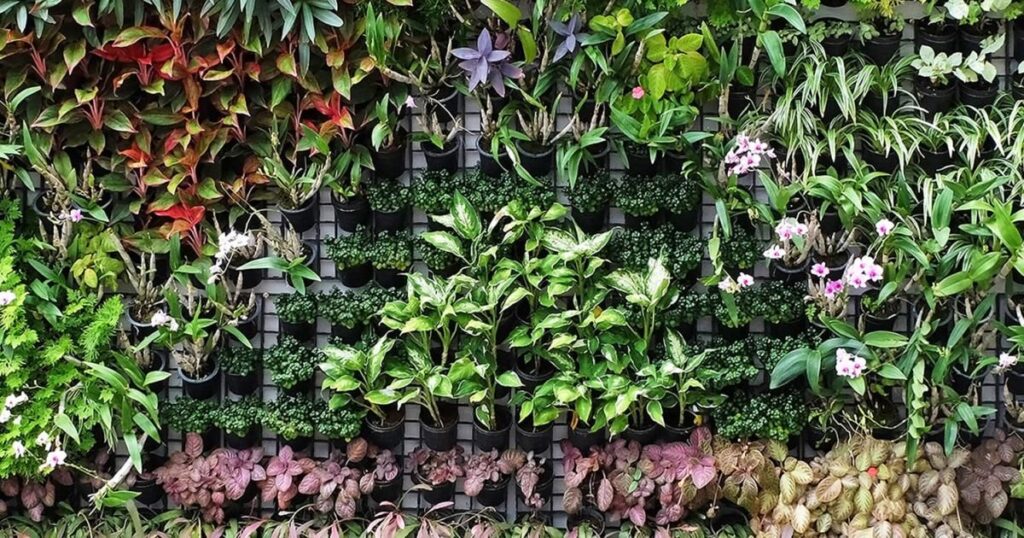
What is a Vertical Garden?
A vertical garden, also known as a living wall or green wall, is a type of gardening where plants are grown vertically on a surface, often using a trellis or a frame. This innovative way of gardening has gained popularity in recent years due to its numerous benefits, including increased space efficiency, reduced water consumption, and improved air quality.
Why Build a Vertical Garden?
Before we dive into the process of building a vertical garden, let’s explore some reasons why you might want to consider creating one:
- Increase your green thumb in small spaces: Whether it’s a tiny apartment or a large backyard, a vertical garden can be a great way to add some greenery without taking up too much space.
- Improve indoor air quality: Plants are natural air purifiers, and by incorporating them into your vertical garden, you can improve the air quality in your home.
- Reduce water consumption: Vertical gardens use significantly less water than traditional gardening methods, making them a great option for water-conscious gardeners.
- Add a touch of nature to your home or office: A vertical garden can be a beautiful and unique addition to any room, bringing a sense of calm and serenity into your space.
Choosing the Right Materials
Before starting your project, it’s essential to choose the right materials for your vertical garden. Here are some popular options:
- Bottles: You can use empty plastic bottles, glass jars, or metal containers to create a unique and eco-friendly vertical garden.
- Pallets: Old pallets can be transformed into a beautiful and functional vertical garden.
- Vases: Large vases or containers can provide a stunning backdrop for your plants.
Designing Your Vertical Garden
Now that you have chosen your materials, it’s time to design your vertical garden. Here are some tips to consider:
- Consider the size of your space: Make sure the vertical garden fits comfortably in the area where you plan to install it.
- Think about the light exposure: Choose plants that thrive in low-light conditions if you’re installing the vertical garden in a shaded area.
- Select a variety of plants: Mix and match different plants with varying textures, colors, and shapes to create a visually appealing design.
Types of Vertical Gardens
There are several types of vertical gardens, each with its unique characteristics and benefits. Here are some popular options:
- Bottle Garden: A vertical garden made from empty plastic bottles or glass jars.
- Pallet Garden: A vertical garden constructed using old pallets.
- Vase Garden: A vertical garden created using large vases or containers.
Creating a Vertical Garden with Bottles
A bottle garden is an excellent option for those looking to create a unique and eco-friendly vertical garden. Here’s how you can make one:
- Clean the bottles: Wash the bottles thoroughly to remove any dirt, dust, or debris.
- Add soil: Fill each bottle with potting soil, leaving enough space at the top for the plants’ roots.
- Plant the seeds: Choose a variety of plants that thrive in low-light conditions and plant them in the bottles.
- Install the bottles: Attach the bottles to a wooden or metal frame using wire or twine.
Creating a Vertical Garden with Pallets
A pallet garden is an excellent option for those looking to create a functional and eco-friendly vertical garden. Here’s how you can make one:
- Disassemble the pallet: Break down the pallet into individual planks.
- Clean the planks: Wash the planks thoroughly to remove any dirt, dust, or debris.
- Add soil: Fill each plank with potting soil, leaving enough space at the top for the plants’ roots.
- Install the planks: Attach the planks to a wooden or metal frame using wire or twine.
Tips and Tricks
Here are some additional tips and tricks to help you create a stunning vertical garden:
- Use a trellis or arbor: Provide support for climbing plants by installing a trellis or arbor.
- Add decorative elements: Incorporate decorative elements, such as moss, succulents, or flowers, to add visual interest to your vertical garden.
- Monitor humidity and temperature: Ensure that the environment is suitable for your plants by monitoring humidity and temperature levels.
Common Mistakes to Avoid
When building a vertical garden, there are several common mistakes to avoid. Here are some tips to help you stay on track:
- Don’t overwater: Make sure not to overwater your plants, as this can lead to root rot and other problems.
- Choose the right plants: Select plants that thrive in low-light conditions and can tolerate varying temperatures.
- Provide adequate support: Make sure to provide adequate support for climbing plants by installing a trellis or arbor.
Conclusion
Building a vertical garden can be a fun and rewarding experience. By choosing the right materials, designing your space, and selecting a variety of plants, you can create a stunning and functional vertical garden that improves air quality and adds beauty to your home or office.
Frequently Asked Questions
- What is the best material for a vertical garden?
- The best material for a vertical garden depends on the design and functionality you’re looking for.
- How do I install a vertical garden in my home?
- Install a vertical garden in your home by attaching it to a wall using wire, twine, or screws.
- What plants are suitable for a vertical garden?
- Choose plants that thrive in low-light conditions and can tolerate varying temperatures.
- How often should I water my vertical garden?
- Water your vertical garden regularly, taking into account the specific watering needs of each plant.
- Can I grow vegetables in a vertical garden?
- Yes, you can grow a variety of vegetables in a vertical garden, including leafy greens, herbs, and tomatoes.
By following these tips and tricks, you can create a beautiful and functional vertical garden that enhances your indoor or outdoor space.


