
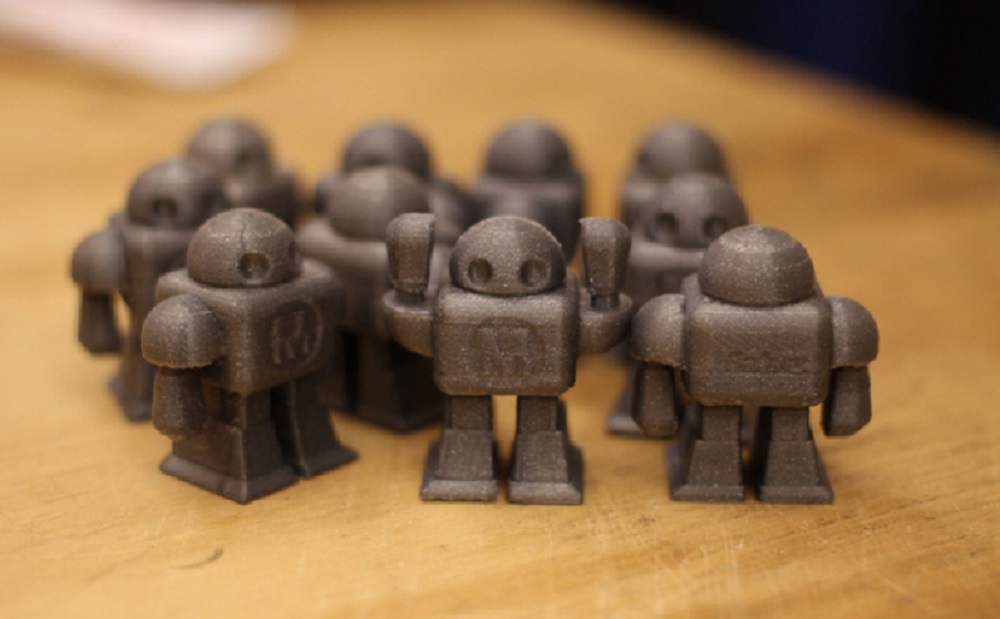
Building a Robot with 3D Printing: A Comprehensive Guide
Introduction
The concept of building a robot using 3D printing has gained significant attention in recent years. With the advancements in 3D printing technology, it is now possible to create complex robotic structures and components with unprecedented precision and accuracy. In this article, we will delve into the world of 3D printed robots and explore the possibilities and challenges associated with building such a device.
The InMoov Project: A Success Story
One of the most notable examples of a 3D printed robot is the InMoov project created by Gael Langevin, a French inventor. The InMoov robot is a fully autonomous man-sized robot that can perform various movements, including picking up objects and passing them between its hands. The project started with the printing of individual components, such as the head, shoulders, arms, and hands, which were then assembled to form the complete robot.
The process involved designing and printing the components using a 3D printer, assembling them, and programming the electronics to control the movements. Langevin documented his progress on his blog, where he shared explanations, photos, and videos of each step of the project.
The InMoov project is not only an impressive achievement but also serves as a testament to the potential of 3D printing technology in robotics. The project’s open-source nature means that all its files are available for free download, making it accessible to anyone interested in building their own robot.
The Mechanics of Building a Robot with 3D Printing
Building a robot with 3D printing involves several steps:
- Designing the components: Using computer-aided design (CAD) software or other tools, designers create a digital model of the components they want to print.
- Printing the components: The designed components are then printed using a 3D printer, which uses melted plastic or other materials to create the desired shape.
- Assembling the components: Once the individual components have been printed and assembled, they can be connected to form the complete robot.
- Programming the electronics: The robot’s movements are controlled by electronic components, such as sensors, actuators, and motors. Programmers design algorithms to control these components and ensure that the robot moves smoothly and efficiently.
Requirements for Building a Robot with 3D Printing
To build a robot with 3D printing, you will need several key components:
- A 3D printer: This is the device that prints the individual components of the robot.
- Mechanical parts: These include gears, motors, and other hardware components that enable the robot to move and perform tasks.
- Electronic components: Sensors, actuators, and other electronic components are used to control the robot’s movements and interact with its environment.
- Software for controlling the robot: This includes programming languages and software tools that allow users to design and program algorithms for controlling the robot’s movements.
Benefits of Building a Robot with 3D Printing
There are several benefits associated with building a robot with 3D printing:
- Cost-effectiveness: 3D printing can reduce production costs by eliminating the need for mold-making and other manufacturing processes.
- Increased precision: 3D printing enables the creation of complex shapes and structures that would be difficult or impossible to achieve using traditional manufacturing methods.
- Flexibility: 3D printing allows users to create customized components that meet specific requirements, making it an ideal technology for prototyping and product development.
Challenges of Building a Robot with 3D Printing
While building a robot with 3D printing offers many benefits, there are also several challenges associated with this process:
- Technical complexity: Designing and building a robot with 3D printing requires advanced technical knowledge and skills.
- Material limitations: The type of material used for 3D printing can affect the strength, durability, and other properties of the final product.
- Assembly and integration: Assembling the individual components into a complete robot requires careful planning and execution to ensure smooth operation.
Conclusion
Building a robot with 3D printing is an exciting and challenging project that offers many benefits, including cost-effectiveness, increased precision, and flexibility. However, it also presents several challenges associated with technical complexity, material limitations, and assembly and integration. With the right knowledge and skills, individuals can successfully build their own robots using 3D printing technology.
As the field of robotics continues to evolve, we can expect to see more innovative applications of 3D printing in robot design and construction. The InMoov project serves as a testament to the potential of this technology and inspires others to explore its possibilities.
Frequently Asked Questions
- Q: Is the InMoov project open-source?
A: Yes, the InMoov project is open-source. All its files are available for free download. - Q: Can I modify the robot’s functions?
A: Yes, even experienced engineers can take part in the project and modify the robot’s functions based on their personal needs. - Q: What are the requirements for building an InMoov robot?
A: You’ll need a 3D printer, mechanical parts (e.g., gears, motors), electronic components (e.g., sensors, actuators), and software for controlling the robot’s movements. - Q: How do I start building my own robot with 3D printing?
A: Start by learning about the basics of 3D printing and robotics. Then, follow tutorials or videos on the InMoov project website to get started. - Q: Can I use any 3D printer for this project?
A: Not all 3D printers are suitable for building robots. You’ll need a high-resolution printer with enough space to print large components. - Q: How long does it take to build an InMoov robot?
A: The time it takes to build an InMoov robot depends on your level of expertise and the complexity of the project. - Q: Can I use the InMoov robot for commercial purposes?
A: Yes, you can use the InMoov robot for commercial purposes, but make sure to check the licensing terms and conditions.
Related Topics
- Robot-humanoid robots
- 3D printing technology



