
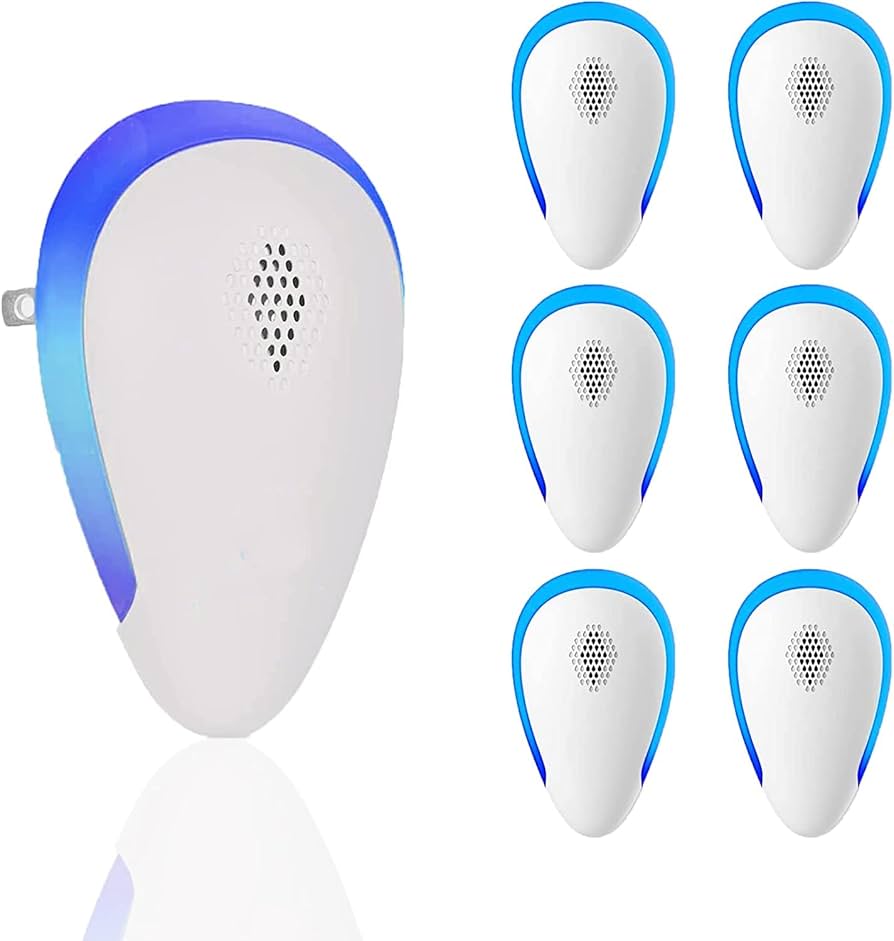
As we navigate our increasingly complex lives, it’s easy to overlook the small but significant impact that our daily habits have on the environment. One often-overlooked aspect of home life is energy waste, particularly in the form of “vampire power” or “standby power.” This phenomenon refers to the energy consumed by electronic devices when they are turned off but still drawing power from the grid.
In this article, we’ll delve into the world of energy waste and explore innovative solutions for reducing it. From smart home devices like the BugPlug to multipurpose approaches, we’ll examine the benefits and potential savings associated with these cutting-edge technologies.
Understanding the Problem
To grasp the scope of the issue, let’s consider some statistics. Standby power accounts for approximately 10% of total energy consumption in homes worldwide. This may seem like a small percentage, but when aggregated across millions of households, it adds up to significant savings potential. Moreover, the heat generated by many electronic devices can reduce their lifespan and burden air conditioning systems.
The problem is further complicated by the increasing number of devices we own and use on a daily basis. From smartphones and laptops to TVs and multimedia players, these gadgets are always connected and always consuming energy, even when they’re not in use.
Introducing the BugPlug
Enter the BugPlug, a revolutionary smart home device designed to eliminate standby power waste. Developed by the Polish team at “Ah & Oh Studio,” this innovative solution uses sensors to detect when someone is present in a room. When the user exits the space, the devices switch off completely, eliminating unnecessary energy consumption.
The BugPlug’s design is sleek and compact, making it easy to integrate into any home setup. Its user-friendly interface allows users to set up custom profiles for different rooms and devices, ensuring that only those with legitimate use are active when needed. The device also features adjustable sensitivity settings, allowing users to fine-tune the system to suit their specific needs.
How it Works
The BugPlug works by utilizing advanced sensor technology to detect the presence of a user in a room. This is achieved through a combination of infrared sensors and motion detection algorithms, which ensure that devices are only activated when someone is present.
Once a device is activated, the BugPlug will continuously monitor its usage patterns, switching it off automatically when the user leaves the room or falls asleep. This feature is particularly useful for households with multiple users, as it allows each individual to control their own energy consumption.
Benefits of the BugPlug
By implementing the BugPlug, individuals can significantly reduce their energy consumption and save money on their electricity bills. In fact, studies have shown that using multipurpose devices alone can result in annual savings of approximately €80.
In addition to the financial benefits, the BugPlug also offers a range of environmental advantages. By reducing standby power waste, households can decrease their carbon footprint and contribute to a more sustainable future. Furthermore, by encouraging responsible energy consumption habits, the BugPlug promotes a healthier relationship between individuals and their home environments.
The Multipurpose Approach
Another effective solution for reducing energy waste is the use of multipurpose devices, often referred to as “smart plugs.” These devices can be used to turn off multiple appliances at once and can be controlled remotely. By leveraging smart home technology, individuals can effortlessly manage their energy consumption and reduce waste.
Smart plugs are particularly useful in households with multiple users, as they allow each individual to control their own energy usage without affecting others. This feature is especially valuable for households with shared devices, such as gaming consoles or streaming equipment.
Conclusion
In conclusion, the BugPlug offers a convenient and effective solution for reducing standby power waste in our homes. By harnessing the power of smart home technology, we can significantly decrease our energy consumption and save money on our electricity bills. With devices like the BugPlug and multipurpose approaches, it’s time to take control of our energy usage and create a more sustainable future.
Frequently Asked Questions
- What is standby power waste?
Standby power waste refers to the energy consumed by electronic devices when they are turned off but still drawing power from the grid. - How much energy do I waste on standby power?
According to estimates, standby power accounts for approximately 10% of total energy consumption in homes worldwide. - What is the BugPlug?
The BugPlug is a smart home device designed to eliminate standby power waste by automatically switching off devices when someone leaves the room. - How does the BugPlug work?
The BugPlug uses advanced sensor technology to detect the presence of a user in a room, then activates and deactivates devices accordingly. - Can I use multipurpose devices instead of the BugPlug?
Yes, multipurpose devices can be an effective alternative to reducing standby power waste, especially when used in combination with smart home technology. - What are some examples of devices that consume energy while in standby mode?
Examples include TVs, microwaves, and multimedia players. - How much money can I save by using the BugPlug or multipurpose devices?
Studies have shown that using multipurpose devices alone can result in annual savings of approximately €80. - Is it worth investing in smart home technology like the BugPlug?
Absolutely! Smart home solutions like the BugPlug can significantly reduce energy waste and save you money on your electricity bills.
Additional Solutions for Reducing Energy Waste
In addition to the BugPlug and multipurpose devices, there are several other strategies that households can use to reduce energy waste. Some of these include:
- Unplugging devices when not in use: One of the simplest ways to reduce energy waste is to simply unplug devices when they’re not in use.
- Using power strips: Power strips allow users to easily turn off multiple devices at once, making it simple to eliminate standby power waste.
- Upgrading to energy-efficient devices: By replacing old devices with energy-efficient alternatives, households can significantly reduce their energy consumption and save money on their electricity bills.
Conclusion
In conclusion, the BugPlug offers a convenient and effective solution for reducing standby power waste in our homes. By harnessing the power of smart home technology, we can significantly decrease our energy consumption and save money on our electricity bills. With devices like the BugPlug and multipurpose approaches, it’s time to take control of our energy usage and create a more sustainable future.
Future Directions for Smart Home Technology
As smart home technology continues to evolve, we can expect to see even more innovative solutions emerge. Some potential areas for development include:
- Advanced sensor technology: Future devices may incorporate advanced sensors that can detect subtle changes in room activity, allowing for even more precise control over energy consumption.
- Artificial intelligence integration: AI-powered devices could learn and adapt to individual users’ habits, automatically optimizing energy usage and reducing waste.
- Integration with other smart home systems: Smart home devices may be integrated into existing systems, such as home automation hubs or voice assistants, to create a seamless and efficient experience.
By staying ahead of the curve and exploring new technologies, we can ensure that our homes remain sustainable, efficient, and environmentally friendly for years to come.


