
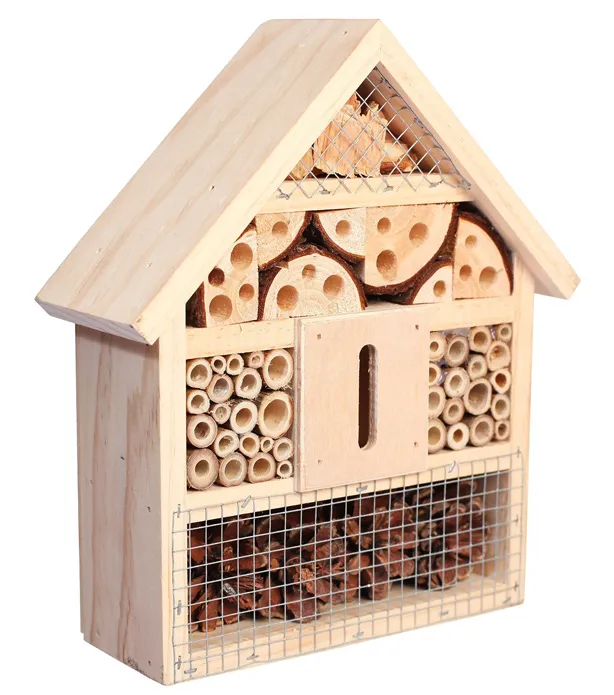
As we strive to create a more balanced ecosystem in our gardens and backyards, one often-overlooked aspect is the importance of providing habitat for beneficial insects. A bug hotel is a simple yet effective way to attract these tiny creatures, which play a crucial role in controlling pest populations and maintaining biodiversity.
Why Build a Bug Hotel?
Building a bug hotel is an excellent way to support local wildlife and promote ecosystem health. By creating a welcoming space for predatory insects like ladybugs, lacewings, and parasitic wasps, you’ll be helping to reduce the need for pesticides and maintain a balanced food chain.
But why are these insects so important? Ladybugs, for example, feed on aphids and other soft-bodied pests that can devastate crops. Lacewings are natural predators of whiteflies and other garden pests, while parasitic wasps lay their eggs inside the bodies of caterpillars, preventing them from reaching adulthood.
Designing a Bug Hotel
When it comes to designing a bug hotel, there are several factors to consider. Predatory insects like ladybugs and lacewings prefer hotels with:
- A mix of entry points, such as holes, tunnels, and crevices
- A variety of materials, including wood, bamboo, and plant stems
- An adequate amount of shelter from the elements
You can create a bug hotel using a range of materials, including:
- Wooden logs or planks
- Bamboo canes
- Stems from plants like sunflowers or comfrey
- Cardboard tubes or paper towel rolls
- Natural fibers like straw or hay
Choosing the Right Materials
When selecting materials for your bug hotel, consider the needs of the specific insects you’re trying to attract. For example:
- Ladybugs prefer hotels with a mix of wood and bamboo, while lacewings tend to prefer hotels made from plant stems.
- Parasitic wasps require hotels with narrow tunnels and crevices.
Building Your Bug Hotel
Once you’ve chosen your materials, it’s time to start building! Here are some tips to keep in mind:
- Use a mix of materials to create a diverse habitat
- Make sure the hotel has multiple entry points, including holes, tunnels, and crevices
- Keep the hotel clean and dry to prevent moisture buildup
Here’s an example of how you can build a simple bug hotel using natural materials:
Materials needed:
- 3-4 wooden logs or planks (10-15 cm long)
- Bamboo canes (5-6)
- Stems from plants like sunflowers or comfrey (5-6)
- Cardboard tubes or paper towel rolls (2-3)
Instructions:
- Cut the wooden logs into sections, each about 30 cm long.
- Place a few bamboo canes along the bottom of each section, creating a tunnel for insects to crawl through.
- Arrange the stems from plants like sunflowers or comfrey around the base of each section, providing additional shelter and habitat for beneficial insects.
- Add cardboard tubes or paper towel rolls to create narrow tunnels and crevices for parasitic wasps.
- Place all the sections together in a pile, creating a simple bug hotel.
Placing Your Bug Hotel
When it comes to placing your bug hotel, consider the following factors:
- Location: Look for a spot that receives partial shade and is protected from strong winds and heavy rainfall.
- Drainage: Make sure the area drains well to prevent water accumulation.
- Sunlight: Choose a location that receives morning sun and afternoon shade.
Tips and Tricks
Here are some additional tips to keep in mind when building and placing your bug hotel:
- Use a variety of materials to create a diverse habitat
- Add some sheltering plants like shrubs or trees nearby
- Avoid using pesticides near the hotel, as they can harm the insects you’re trying to attract
Maintenance and Upkeep
To ensure that your bug hotel remains attractive to beneficial insects, it’s essential to maintain and upkeep it regularly. Here are some tips:
- Clean the hotel regularly by removing any debris or dead insects
- Check for moisture buildup and make repairs as needed
- Add new materials or replace existing ones every few months to keep the habitat fresh
Conclusion
Creating a bug hotel is an easy and effective way to support local wildlife and promote ecosystem health. By providing a welcoming space for predatory insects, you’ll be helping to maintain a balanced food chain and reduce the need for pesticides. With these tips and tricks, you can create your own bug hotel and start attracting beneficial insects to your garden or backyard.
Frequently Asked Questions
Here are some frequently asked questions about building a bug hotel:
Q: What types of materials should I use for my bug hotel?
A: A mix of natural materials like wood, bamboo, and plant stems is ideal. Consider using materials that are locally sourced and sustainable.
Q: How do I build a bug hotel?
A: Start by gathering your materials and designing a plan. Then, build the hotel using a variety of materials and add multiple entry points.
Q: Where should I place my bug hotel?
A: Look for a spot that receives partial shade and is protected from strong winds and heavy rainfall. Make sure the area drains well to prevent water accumulation.
Q: What type of insects will my bug hotel attract?
A: Your bug hotel will attract a variety of beneficial insects, including ladybugs, lacewings, and parasitic wasps.
Q: How often should I clean my bug hotel?
A: Clean your bug hotel regularly by removing any debris or dead insects. This will help keep the habitat healthy and attractive to beneficial insects.
Q: Can I use pesticides near my bug hotel?
A: No, it’s best to avoid using pesticides near your bug hotel, as they can harm the beneficial insects you’re trying to attract.
Q: How long does it take for my bug hotel to fill up with insects?
A: It may take some time for your bug hotel to fill up with insects, but start seeing activity within a few weeks of installation.
Common Bug Hotel Design Mistakes
When building a bug hotel, there are several design mistakes to avoid. Here are some common errors to watch out for:
- Lack of diversity in materials: Using too many of the same materials can make your bug hotel less attractive to beneficial insects.
- Insufficient shelter: Beneficial insects need shelter from the elements to survive. Make sure your bug hotel provides adequate shelter and habitat.
- Poor drainage: Water accumulation can lead to mold and mildew growth, which can harm beneficial insects. Ensure good drainage around your bug hotel.
Creating a Bug Hotel for Specific Insect Species
While many bug hotels are designed to attract a variety of beneficial insects, you can also create specific insect hotels tailored to the needs of particular species. Here are some tips:
- Ladybugs: Use a mix of wood and bamboo materials, with plenty of sheltering plants nearby.
- Lacewings: Use plant stems as the primary material, with cardboard tubes or paper towel rolls added for narrow tunnels and crevices.
- Parasitic wasps: Use natural fibers like straw or hay, with plenty of ventilation to prevent moisture buildup.
Conclusion
Building a bug hotel is an easy and effective way to support local wildlife and promote ecosystem health. By providing a welcoming space for predatory insects, you’ll be helping to maintain a balanced food chain and reduce the need for pesticides. With these tips and tricks, you can create your own bug hotel and start attracting beneficial insects to your garden or backyard.


