
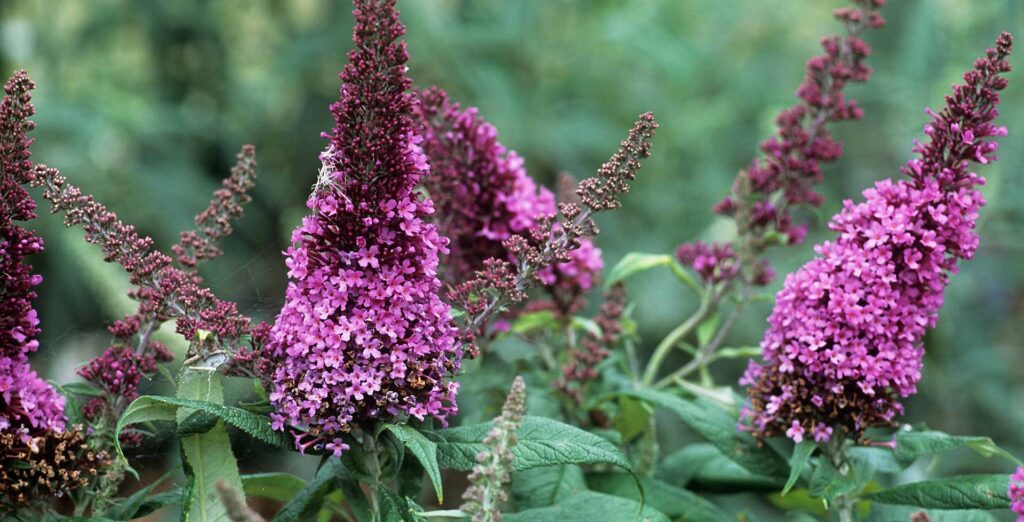
If you’ve ever heard of a plant that’s known for attracting butterflies, you might have come across the term “buddleia” or even “tree of butterflies.” This beautiful, flowering shrub is native to Asia but has been widely introduced to Europe and other parts of the world. In this article, we’ll delve into the characteristics of the buddleia, its care requirements, and explore some interesting facts about this lovely plant.
What is Buddleia?
The name “buddleia” comes from Reverend Adam Buddle, an English botanist who first described the plant in the 18th century. This flowering shrub has gained popularity for its vibrant colors, intoxicating fragrance, and ability to attract butterflies and other pollinators.
Characteristics of Buddleia
Here are some key features that make buddleia a standout:
- Vibrant Colors: The plant produces bright flowers in shades of purple, pink, white, and yellow, which are highly attractive to butterflies and hummingbirds.
- Fragrance: The flowers have an irresistible scent reminiscent of honey and vanilla, drawing pollinators from far and wide.
- Height and Spread: Buddleia can grow up to 6 feet (1.8 meters) tall, with a spread of around 3-4 feet (90-120 cm). This makes it an excellent choice for small gardens or containers.
- Growth Rate: The plant grows relatively quickly, especially when provided with plenty of sunlight and well-draining soil.
Care Requirements
To keep your buddleia thriving, follow these care tips:
- Sunlight: Provide at least 6 hours of direct sunlight per day. Buddleia loves the sun, but it’s also sensitive to intense heat.
- Soil: Use a well-draining potting mix or garden soil with good drainage holes. Avoid waterlogged soil, as this can lead to root rot.
- Watering: Water your buddleia regularly during hot summer months. Aim for about 1 inch (2.5 cm) of water per week, either from rainfall or irrigation.
Pruning and Potting
Here are some additional tips for pruning and potting your buddleia:
- Pruning: Prune your plant in late winter or early spring to maintain shape and promote healthy growth.
- Potting: If you’re moving your buddleia from a container, choose a pot that’s at least 1-2 sizes larger than the original one.
Multiplication and Propagation
Buddleia can be propagated using seeds or stem cuttings. Here are some tips:
- Seeding: Sow seeds indoors in late winter or early spring, then transplant them to a larger container or directly into the garden when the weather warms up.
- Stem Cuttings: Take 4-6 inch (10-15 cm) stem cuttings from the current season’s growth and root them in moist potting mix.
Pest and Disease Management
Keep an eye out for pests like aphids, whiteflies, and spider mites, which can be treated with insecticidal soap or neem oil. Regularly inspect your plant for signs of disease, such as powdery mildew or leaf spot, and treat promptly if necessary.
Varieties of Buddleia
There are many different varieties of buddleia, each with its unique characteristics and growing conditions. Some popular options include:
- Buddleja alternifolia: This variety has bright yellow flowers and a slender growth habit.
- Buddleja americana: Features white or pink flowers and can grow up to 10 feet (3 meters) tall.
- Buddleja asiatica: Produces vibrant purple flowers and has a more compact growth habit.
Attracting Butterflies
Buddleia is one of the most popular plants for attracting butterflies, as its vibrant colors and intoxicating fragrance draw these beautiful creatures from far and wide. Here are some tips to encourage butterfly activity:
- Choose the Right Variety: Some varieties of buddleia are more attractive to butterflies than others. Look for varieties with bright, nectar-rich flowers.
- Plant in the Right Location: Plant your buddleia in a spot that receives full sun and has good air circulation.
- Avoid Pesticides: Avoid using pesticides, as these can harm or kill butterflies.
Hummingbird Attraction
In addition to attracting butterflies, buddleia is also a popular choice for hummingbirds. Here are some tips to encourage hummingbird activity:
- Choose the Right Variety: Look for varieties with bright, tubular flowers that are rich in nectar.
- Plant in the Right Location: Plant your buddleia in a spot that receives full sun and has good air circulation.
- Provide a Source of Water: Hummingbirds need water to drink and bathe in. Provide a shallow dish or birdbath with fresh water.
Growing Buddleia in Containers
If you don’t have space for a large buddleia shrub, consider growing it in a container. Here are some tips:
- Choose the Right Container: Choose a container that’s at least 1-2 sizes larger than the root ball of your buddleia plant.
- Use a Well-Draining Potting Mix: Use a potting mix that drains well to prevent waterlogged soil.
- Provide Adequate Sunlight: Provide full sun for your buddleia plant, or at least 4-6 hours of direct sunlight per day.
Growing Buddleia in the Winter
If you live in an area with cold winters, you’ll need to protect your buddleia plant from frost and freezing temperatures. Here are some tips:
- Mulch Around the Base: Mulch around the base of your buddleia plant to protect it from frost.
- Prune After the First Frost: Prune your buddleia plant after the first frost to promote new growth in the spring.
By following these tips, you’ll be able to create a stunning buddleia garden that attracts butterflies and other pollinators, while also providing a beautiful display of color and fragrance.


