
As we navigate the world of nutrition and wellness, it’s essential to explore lesser-known ingredients that can make a significant impact on our health. One such ingredient is buckwheat, also known as grano saraceno in Italian. This ancient grain has been gaining popularity for its numerous health benefits, versatility in recipes, and rich nutritional profile.
Understanding Buckwheat: A Grain Like No Other
Buckwheat (Fagopyrum esculentum) is often mistaken as a cereal, but it belongs to the polygonaceae family, making it more closely related to rhubarb than rice. This unique classification has significant implications for its gluten content and potential benefits for those with gluten intolerance or sensitivity.
The Nutritional Powerhouse of Buckwheat
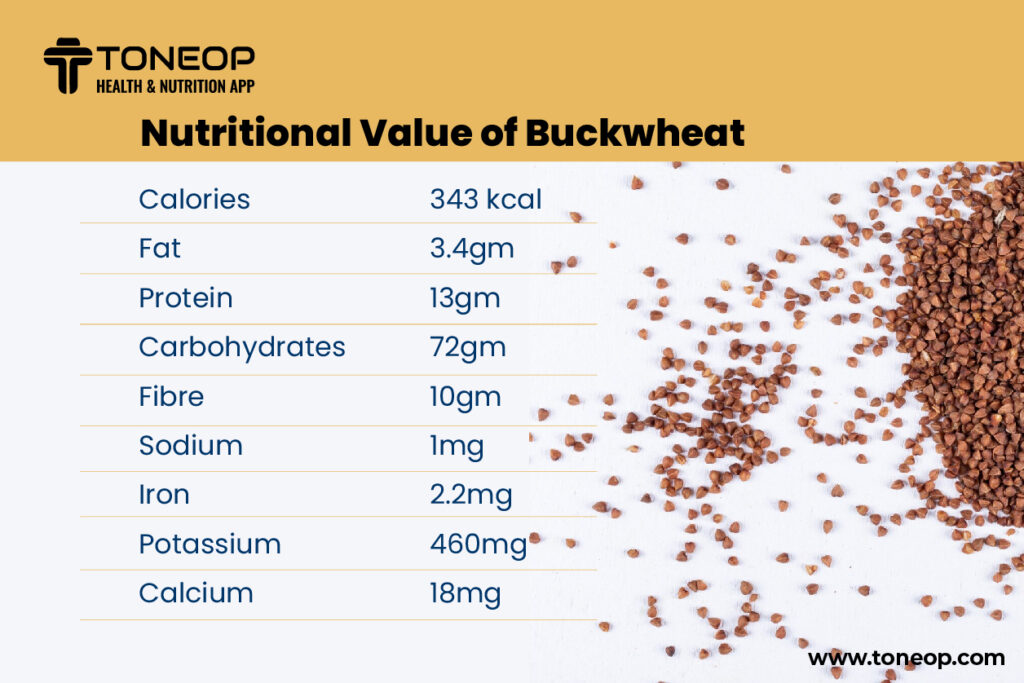
Buckwheat is an excellent source of protein, containing all eight essential amino acids, making it a great option for vegetarians and vegans. It’s also rich in:
- Vitamins B and PP
- Minerals like iron, potassium, and zinc
- Fiber
- Antioxidants, including rutin
The rutin content in buckwheat makes it an excellent antiossidant, with potential benefits for cardiovascular health and anti-emorrhagic properties.
Culinary Uses of Buckwheat
Buckwheat can be used in various recipes, including:
- Pasta
- Bread (pan) and other baked goods
- Porridge or oatmeal substitutes
- Salads and savory dishes
Some popular buckwheat-based recipes include:
- Soba noodles
- Blini (Russian crepes)
- Kasha (Polish buckwheat porridge)
- Italian-style polenta taragna
Buckwheat’s Unique Characteristics
Buckwheat has several unique characteristics that set it apart from other grains. These include:
- High protein content: Buckwheat contains a higher amount of protein than most grains, making it an excellent option for those looking to increase their protein intake.
- Gluten-free: Despite its name, buckwheat is gluten-free, making it a great option for those with gluten intolerance or sensitivity.
- Nutrient-rich: Buckwheat is rich in essential vitamins and minerals, including vitamin B, iron, and potassium.
Health Benefits of Buckwheat
The unique nutritional profile and characteristics of buckwheat make it an excellent addition to a healthy diet. Some potential health benefits of buckwheat include:
- Lower cholesterol levels: The soluble fiber content in buckwheat can help lower cholesterol levels by binding to bile acids and removing them from the body.
- Improved blood sugar control: Buckwheat’s ability to slow down carbohydrate digestion can help improve blood sugar control and reduce the risk of developing type 2 diabetes.
- Enhanced cardiovascular health: The rutin content in buckwheat makes it an excellent antiossidant, with potential benefits for cardiovascular health and anti-emorrhagic properties.
Culinary Tips and Tricks
Incorporating buckwheat into your diet can be easy and delicious. Here are some culinary tips and tricks to get you started:
- Experiment with different recipes: Try using buckwheat in a variety of dishes, including pasta, bread, and salads.
- Choose the right type of buckwheat: Look for buckwheat that is labeled as “soba-grade” or ” Italian-style,” which will have a higher protein content and better texture.
- Pair with complementary flavors: Buckwheat pairs well with nutty flavors like almonds and hazelnuts, making it an excellent addition to salads and savory dishes.
Common Uses for Buckwheat
Buckwheat can be used in various ways, including:
- Breakfast: Use buckwheat as a substitute for oatmeal or other grains.
- Snacks: Mix cooked buckwheat with nuts and dried fruits for a healthy snack.
- Main dishes: Use buckwheat as a base for salads or add it to savory dishes like stir-fries and stews.
Nutritional Breakdown of Buckwheat
Here is the nutritional breakdown of 1 cup of cooked buckwheat:
- Calories: 150
- Protein: 6 grams
- Fat: 2 grams
- Carbohydrates: 25 grams
- Fiber: 4 grams
- Vitamin B: 10% of the Daily Value (DV)
- Iron: 10% of the DV
- Potassium: 15% of the DV


