
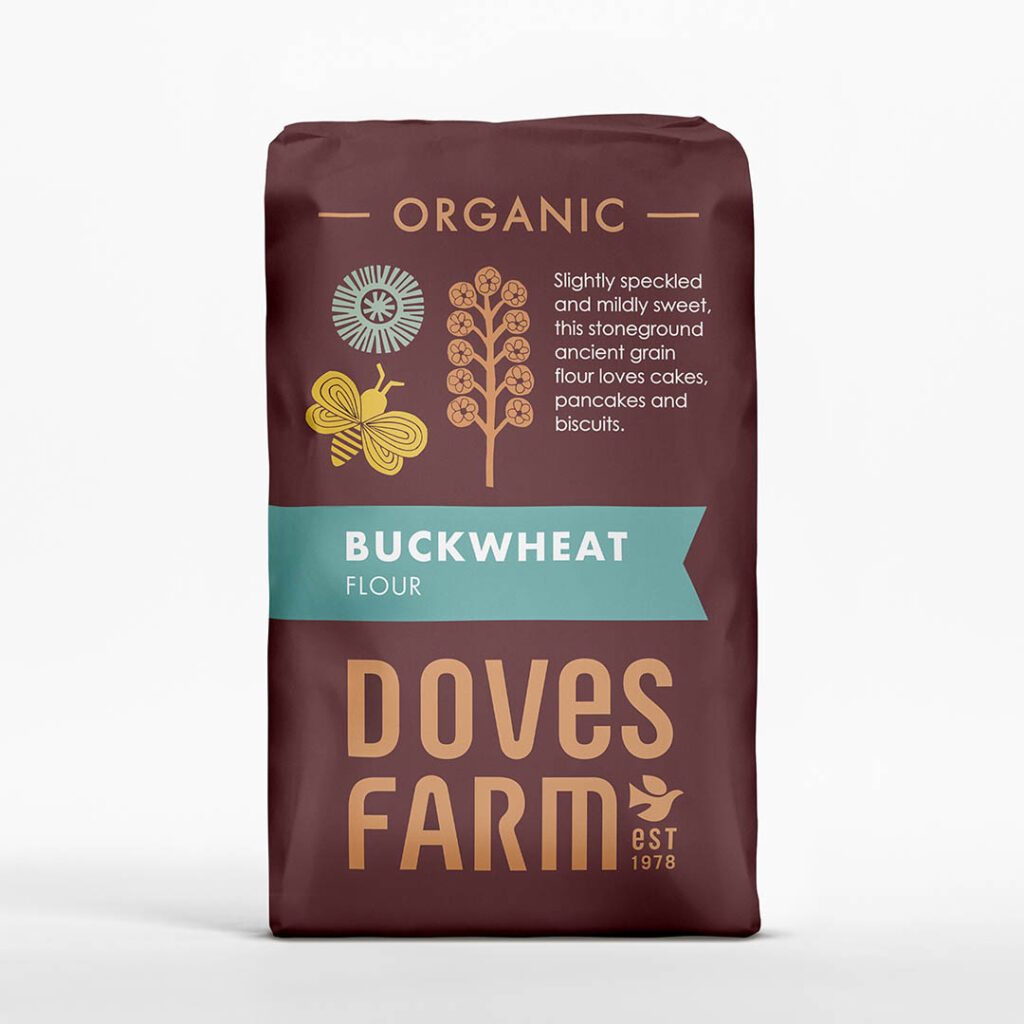
Buckwheat flour, also known as farina di grano saraceno, is a popular gluten-free alternative to traditional wheat flour. In this article, we will explore the benefits and uses of buckwheat flour, including its nutritional value, acidity level, and how to incorporate it into your cooking.
What is Buckwheat Flour?
Buckwheat flour is made from the ground seeds of the buckwheat plant, which is not actually a true wheat. It is a pseudo-cereal that is high in protein, fiber, and nutrients, making it an excellent choice for those with gluten intolerance or sensitivity.
Nutritional Value
Buckwheat flour has several nutritional benefits, including:
- High protein content: Buckwheat flour contains about 12-14% protein by weight. This makes it a great option for vegetarians and vegans who are looking to increase their protein intake.
- Rich in fiber: Buckwheat flour is high in dietary fiber, containing both soluble and insoluble fiber. Fiber can help promote digestive health and support healthy blood sugar levels.
- Low glycemic index: Buckwheat flour has a low glycemic index of around 40, making it an excellent choice for those with diabetes or blood sugar concerns. This means that buckwheat flour will not cause a significant spike in blood sugar levels after consumption.
Acidity Level
Buckwheat flour has a natural acidity level due to its high content of gluconic acid. This makes it an excellent choice for recipes that require a tangy flavor. The acidity level of buckwheat flour can also help to enhance the overall texture and structure of baked goods.
Using Buckwheat Flour in Cooking
Buckwheat flour can be used in a variety of dishes, including:
- Pizza: Buckwheat flour can be used as a substitute for traditional wheat flour to make gluten-free pizza crusts. The nutty flavor of buckwheat flour pairs well with tomato sauce and melted cheese.
- Pasta: Buckwheat flour can be used to make pasta, polenta taragna (polenta nera), and other Italian dishes. The high fiber content of buckwheat flour makes it a great option for those looking to increase their fiber intake.
- Bread: Buckwheat flour can be used to make bread, including sandwich bread, baguettes, and ciabatta. The natural acidity level of buckwheat flour helps to create a delicious crust on bread.
Tips for Working with Buckwheat Flour
When working with buckwheat flour, keep the following tips in mind:
- Use a high-quality flour: Look for fresh, organic buckwheat flour that is free from additives and preservatives. This will ensure that you are getting the best flavor and nutritional benefits out of your buckwheat flour.
- Start with small amounts: Begin by using small amounts of buckwheat flour in your recipes and gradually increase the amount as needed. This will help you to get a feel for how buckwheat flour works in different dishes.
- Combine with other flours: Buckwheat flour can be combined with other flours to achieve a more neutral flavor. This is especially useful when making bread or pizza crusts.
Other Uses for Buckwheat Flour
Buckwheat flour has several other uses beyond cooking, including:
- Animal feed: Buckwheat flour is often used as animal feed due to its high nutritional value. It provides a balanced source of protein and energy for livestock.
- Birdseed: Buckwheat flour can be used as a nutritious and easy-to-find birdseed option. The high fiber content of buckwheat flour makes it an excellent choice for birds.
Conclusion
Buckwheat flour is a nutrient-rich, gluten-free alternative to traditional wheat flour. Its high protein content, rich fiber, low glycemic index, and natural acidity level make it an excellent choice for those with dietary restrictions or preferences. Whether you are looking to incorporate buckwheat flour into your cooking or simply want to learn more about this versatile grain, we hope this article has provided you with the information you need.
Frequently Asked Questions
What is buckwheat flour?
Buckwheat flour is a gluten-free alternative made from the ground seeds of the buckwheat plant. It is high in protein, fiber, and nutrients.
Is buckwheat flour suitable for everyone?
Yes, buckwheat flour is generally safe for people with gluten intolerance or sensitivity to consume. However, individuals with severe gluten-related disorders should consult their doctor before consuming it.
How do I store buckwheat flour?
Buckwheat flour can be stored at room temperature in an airtight container. It has a long shelf life and does not require refrigeration.
Can I use buckwheat flour as a substitute for traditional wheat flour?
Yes, buckwheat flour can be used as a substitute in many recipes, but it may alter the flavor and texture slightly due to its natural acidity level and higher fiber content.


