
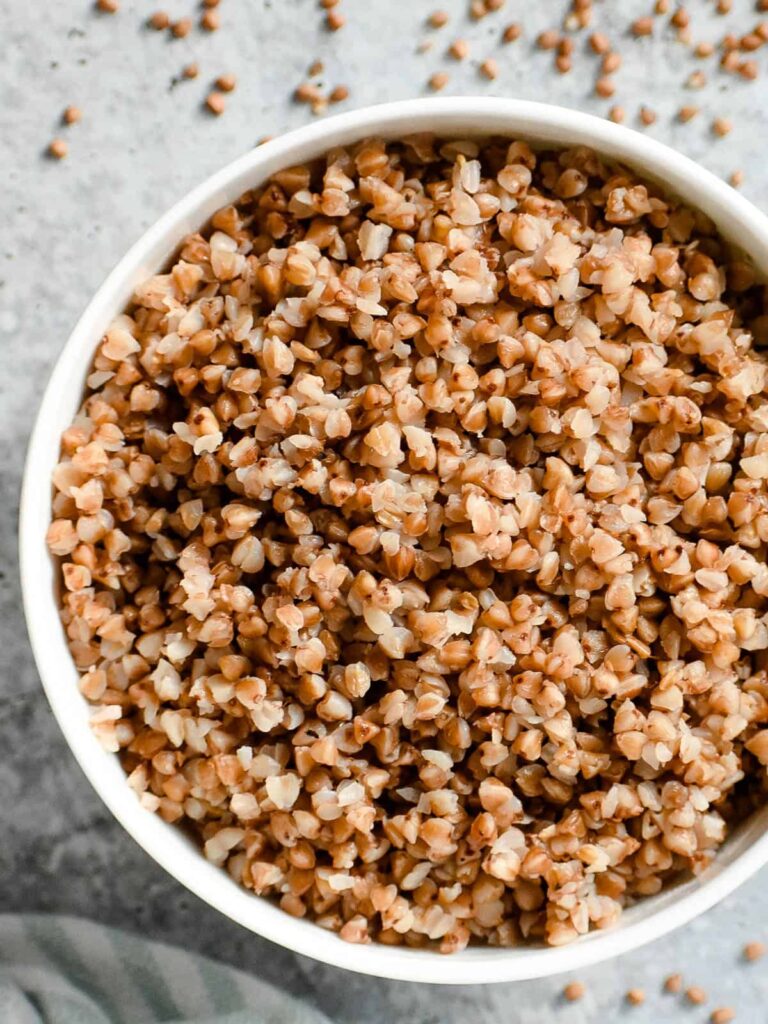
Buckwheat is often mistaken for a cereal, but it’s actually a pseudo-cereal that belongs to the same family as rhubarb and sorrel. While it can be a great alternative to gluten-containing grains, it’s essential to understand its properties and potential effects on individuals with sensitivities or allergies.
A Brief History of Buckwheat
Buckwheat has been cultivated for centuries in Northern Europe and Asia, with records of its use dating back to the 13th century. It wasn’t until the 15th century that buckwheat began to spread to Russia and other parts of Eastern Europe. In North America, buckwheat was introduced over 100 years ago, but it didn’t gain popularity until the mid-20th century.
Where is Buckwheat Grown Today?
Today, the majority of buckwheat is grown in countries such as Russia, Poland, and Canada. The United States, France, and other Western European countries also cultivate buckwheat for food, animal feed, and industrial purposes.
Nutritional Benefits of Buckwheat
Buckwheat is a nutrient-rich grain that offers several health benefits due to its high content of:
- Flavonoids: Specifically rutin, which has antioxidant properties and can help protect against diseases.
- Magnesium: Essential for maintaining healthy blood flow and lowering blood pressure.
- Potassium: Helps regulate blood pressure and promote overall cardiovascular health.
While buckwheat is a great addition to a balanced diet, individuals with gluten sensitivities or allergies should exercise caution when consuming it. Pregnant women and breastfeeding mothers should also avoid buckwheat due to its potential effects on fetal development and milk production.
Using Buckwheat in Recipes
Buckwheat can be used as an ingredient or substitute in various recipes, including:
- Tortes: Buckwheat flour adds a unique texture and flavor to cakes.
- Contorni: Buckwheat can be used as a side dish similar to quinoa or brown rice.
- Pasta: Fresh buckwheat pasta is a delicious alternative to traditional pasta.
When preparing buckwheat, it’s essential to rinse the grains thoroughly before cooking. This helps remove any impurities and ensures optimal nutrient absorption.
Growing Your Own Buckwheat
If you’re interested in growing your own buckwheat, here are some tips:
- Cultivation: Buckwheat is a cool-season crop that can be grown in 80-120 days.
- Soil: Buckwheat prefers well-draining soil with a pH between 6.0 and 7.0.
- Watering: Keep the soil consistently moist during the growing season.
By understanding the benefits of buckwheat, its uses in recipes, and how to grow it yourself, you can incorporate this nutritious grain into your diet and enjoy its unique flavor and texture.
Frequently Asked Questions
- Is buckwheat a cereal?
- No, buckwheat is actually a pseudo-cereal that belongs to the same family as rhubarb and sorrel.
- Can I substitute buckwheat for gluten-containing grains?
- While buckwheat can be used as an alternative, it’s essential to exercise caution due to its potential effects on individuals with sensitivities or allergies.
- Is buckwheat good for cardiovascular health?
- Yes, buckwheat is rich in magnesium and potassium, which can help regulate blood pressure and promote overall cardiovascular health.
- Can I use buckwheat as a substitute for quinoa or brown rice?
- While buckwheat can be used as an ingredient or substitute, it has a distinct texture and flavor that may not be suitable for all recipes.
- How do I rinse buckwheat properly?
- Rinse the grains thoroughly before cooking to remove any impurities and ensure optimal nutrient absorption.
By understanding these key points, you can unlock the full potential of buckwheat and enjoy its numerous health benefits.
Common Uses for Buckwheat
- Breakfast: Add buckwheat groats or flour to your oatmeal, yogurt, or smoothies.
- Snacks: Enjoy buckwheat crackers, energy bars, or trail mix with nuts and dried fruits.
- Main Course: Use buckwheat as a base for salads, stir-fries, or as a side dish.
- Baking: Substitute buckwheat flour for gluten-containing flours in your favorite baked goods.
Health Benefits of Buckwheat
- Antioxidant Properties: Rutin and other flavonoids present in buckwheat can help protect against diseases such as cancer, diabetes, and cardiovascular disease.
- Cardiovascular Health: Magnesium and potassium in buckwheat can help regulate blood pressure and promote overall cardiovascular health.
- Digestive Health: Buckwheat contains prebiotic fiber that can help support gut health and digestion.
Tips for Cooking with Buckwheat
- Rinse thoroughly: Rinse the grains before cooking to remove any impurities and ensure optimal nutrient absorption.
- Soak: Soaking buckwheat groats or flour can help reduce cooking time and improve digestibility.
- Seasoning: Add herbs, spices, and seasonings to enhance flavor and aroma.
By incorporating these tips and ideas into your daily life, you can experience the numerous benefits of buckwheat and enjoy its unique taste and texture.


