
When it comes to grooming our furry friends, there’s a common misconception that all canine brushes are created equal. However, the truth is that different breeds require specific types of brushes to ensure their coat remains healthy and looking its best. In this in-depth article, we’ll delve into the world of canine brushes, exploring the differences between long-coated and short-coated breeds.
Understanding Canine Coat Types
Before diving into the world of brushes, it’s essential to understand the different types of canine coats. Long-coated breeds, such as Maltese and Yorkshire Terriers, have a thick undercoat and a topcoat that requires regular brushing to prevent matting and tangling. Short-coated breeds, like Boxers and Labradors, have a single layer of fur that needs occasional grooming to prevent shedding.
Factors to Consider When Choosing a Brush
When selecting a brush for your canine companion, there are several factors to consider:
- Long-coated breeds: Look for brushes with long, flexible pins or teeth specifically designed for detangling and mat removal.
- Short-coated breeds: Opt for brushes with shorter, stiffer pins or teeth that can effectively remove loose hair.
Some popular brush types include:
- Slicker brushes: Ideal for short-coated breeds, these brushes feature fine teeth that help remove tangles and mats.
- Pin brushes: Suitable for long-coated breeds, these brushes have long, flexible pins that gently detangle and style the fur.
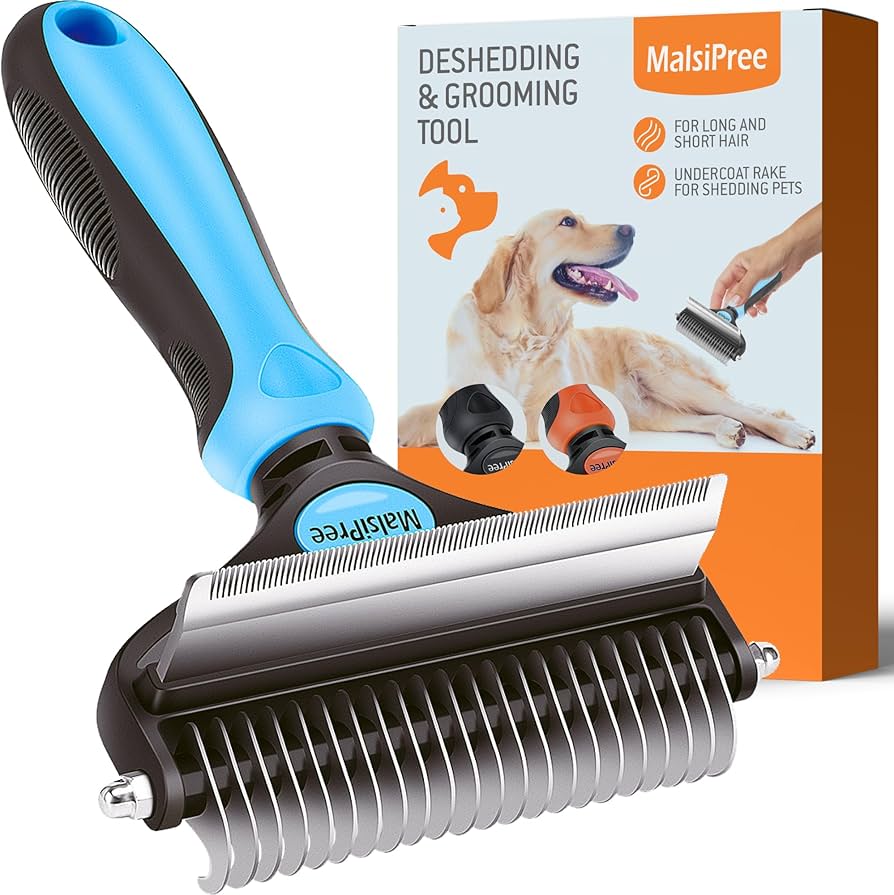
- Rake brushes: Perfect for short-coated breeds, these brushes feature stiff pins or teeth that help remove loose hair and prevent shedding.
Brushing Techniques for Different Breeds
To get the most out of your brush, it’s essential to master various brushing techniques tailored to your breed’s specific needs:
- Long-coated breeds: Use long, gentle strokes to work through tangles and mats, taking care not to pull or yank on the fur.
- Short-coated breeds: Use shorter, more agile strokes to remove loose hair and prevent shedding.
Tips for Effective Brushing
To ensure your brush is an effective tool in your canine grooming arsenal:
- Start slow: Begin with short brushing sessions to avoid overwhelming your dog.
- Use gentle pressure: Be mindful of your dog’s comfort level, applying gentle pressure as needed.
- Make it a routine: Establish a regular brushing schedule to maintain your dog’s coat and strengthen your bond.
Common Brushing Mistakes
To avoid common brushing mistakes that can lead to discomfort or damage for your canine companion:
- Avoid using brushes with metal teeth on sensitive areas
- Don’t use brushes with rough or coarse textures, which can cause irritation.
- Be cautious when handling dogs with sensitive skin or allergies.
Benefits of Regular Brushing
Regular brushing offers numerous benefits for both you and your canine companion:
- Improved coat health: Brushing helps remove dirt, tangles, and mats that can lead to skin irritations and infections.
- Reduced shedding: Brushing can help reduce the amount of loose hair, making it easier to maintain a clean and tidy living space.
- Strengthened bond: Regular brushing provides an opportunity for bonding and socialization between you and your dog.
Grooming Tools for Specific Needs
In addition to brushes, there are various grooming tools available that cater to specific needs:
- Detangling sprays: Designed to help detangle and style fur without causing breakage or tangling.
- Shedding rakes: Effective at removing loose hair and preventing shedding.
- Nail clippers: Essential for maintaining healthy nails.
Conclusion
With the right brush and technique, grooming your canine companion can be a rewarding and enjoyable experience for both you and your dog. By understanding the differences between long-coated and short-coated breeds, choosing the right brush for your dog’s specific needs, and mastering various brushing techniques, you’ll be well on your way to becoming a skilled canine groomer.
Frequently Asked Questions
Here are some answers to common questions about canine brushes:
- Q: What is the best brush for a long-coated breed?
A: The best brush for a long-coated breed depends on individual needs, but generally, a pin brush or slicker brush with long, flexible pins is recommended. - Q: Can I use a brush on my dog if they have sensitive skin?
A: Yes, it’s possible to find brushes designed specifically for sensitive skin areas, such as the ears and paws. - Q: How often should I brush my dog?
A: The frequency of brushing depends on your dog’s coat type and individual needs; generally, short-coated breeds require less frequent grooming than long-coated breeds.
Additional Resources
For more information on canine brushes and grooming techniques:
- Visit reputable online forums or pet websites for expert advice and product reviews.
- Consult with a veterinarian or professional groomer for personalized guidance.
- Explore local dog training classes or workshops to learn new skills and meet fellow dog enthusiasts.


