
Introduction
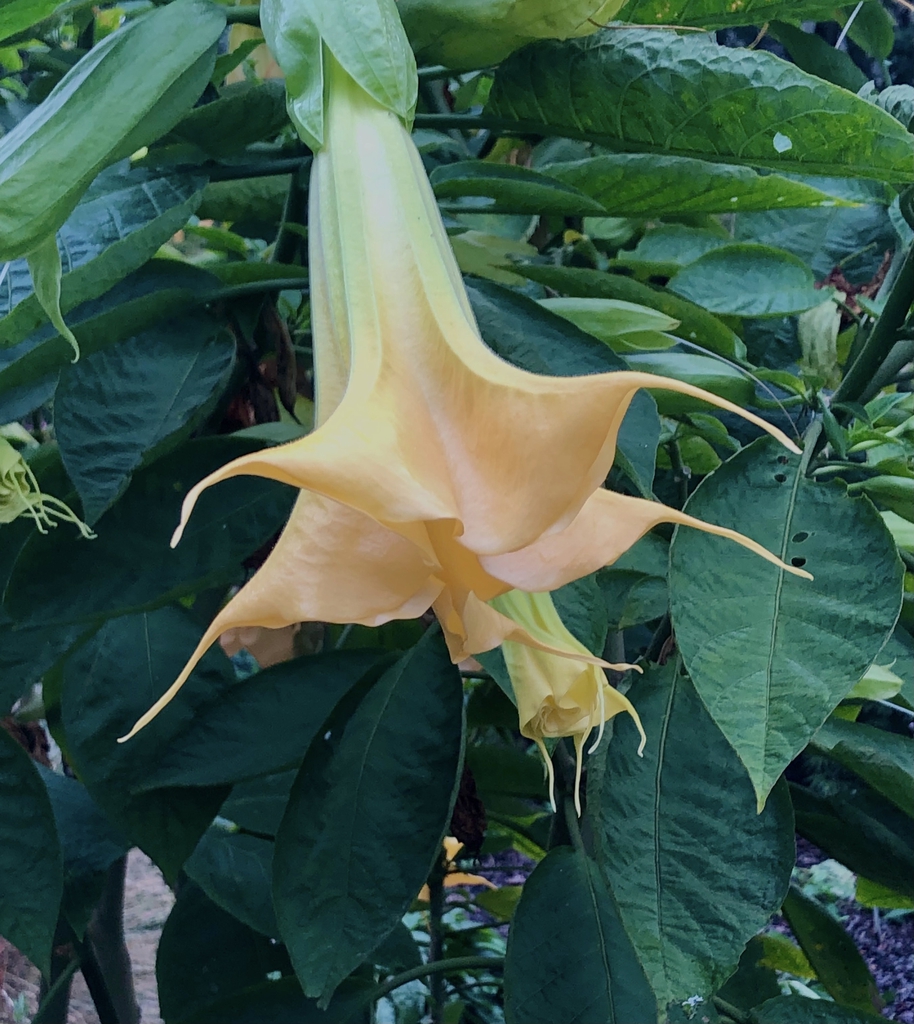
The Brugmansia, commonly known as the “Angel’s Trumpet,” is a tropical flower that has gained popularity for its unique shape and fragrance. Native to the Americas, this plant is now widely cultivated in many parts of the world for its ornamental value. In this article, we’ll delve into the history, characteristics, care, and benefits of the Brugmansia.
Origin and Characteristics
The Brugmansia belongs to the Solanaceae family and has several species. The most popular varieties are Brugmansia aurea, Brugmansia sanguinea, and Brugmansia suaveolens. This plant can grow up to 1.5 meters in height and has a sturdy trunk covered with grayish-brown bark. Its branches are nodular, and its leaves are lance-shaped, green, and hairy.
The Brugmansia’s most striking feature is its trumpet-shaped flowers, which can reach lengths of over 30 centimeters. These funnel-shaped blooms come in various colors, including white, pink, yellow, orange, red, and purple. The plant is particularly famous for its fragrant white flowers that resemble a trumpet.
History
The Brugmansia has been used in traditional medicine for centuries. In South America, the indigenous people believed that the plant had spiritual powers and used it to communicate with spirits. The Spanish conquistadors brought the plant back to Europe, where it was further cultivated and introduced to other parts of the world.
Maladies
Like any other plant, the Brugmansia is susceptible to diseases and pests. Root rot is one of the most common fungal infections that can affect this plant. Aphids, whiteflies, red mites, and spider mites are some of the animal pests that target the Brugmansia. Leaf miners and root weevils are also potential threats.
To prevent or minimize damage from these maladies, it’s essential to use targeted antifungal and insecticidal treatments. Regular monitoring and prompt action can help prevent the spread of diseases and pests.
Care
The Brugmansia is a tropical plant that thrives in warm and humid climates. However, it can adapt to cooler temperatures as long as it receives partial shade and protection from strong winds. When cultivated in containers, the plant needs regular watering and fertilization.
Inland cultivation requires more care and attention, particularly during winter months when the plant may need protection from frost and freezing temperatures. Container gardening allows for better air circulation and reduced risk of root rot, making it a popular choice among gardeners.
Soil Quality
The Brugmansia prefers well-draining soil with a slightly acidic pH (around 6-7). Organic matter and compost can improve the plant’s overall health by providing essential nutrients and improving soil structure.
Pruning
Pruning is an essential part of maintaining the Brugmansia’s shape and encouraging new growth. Prune in spring to maintain shape and encourage new growth, and remove any damaged or diseased branches to prevent further damage.
Propagation
Propagating a Brugmansia plant can be done using stem cuttings, which should be taken in spring or summer. Use rooting hormone to enhance root development and increase the chances of successful propagation.
Medicinal Properties
The Brugmansia contains tropane alkaloids like atropine, scopolamine, and hyoscyamine, which can cause anticholinergic effects if ingested. Ingesting large quantities of this plant can lead to serious side effects, including tachycardia, dry mouth, flushed face, hyperthermia, blurred vision, hallucinations, seizures, coma, and death.
On the other hand, moderate consumption of Brugmansia extracts has been linked to potential health benefits for respiratory issues. Research suggests that the plant’s tropane alkaloids may help alleviate symptoms of bronchitis and asthma by relaxing airway muscles and reducing inflammation.
Benefits
The Brugmansia offers several benefits, making it a popular choice among gardeners and nature enthusiasts. Here are some of the key advantages of growing this tropical flower:
- Ornamental Value: The Brugmansia’s unique shape and fragrance make it a stunning addition to any garden or indoor space.
- Air Purification: The plant is known to purify the air by removing harmful pollutants and toxins, making it a great choice for indoor spaces.
- Medicinal Properties: Moderate consumption of Brugmansia extracts has been linked to potential health benefits for respiratory issues.
- Attracting Pollinators: The Brugmansia’s fragrant flowers attract pollinators like bees and butterflies, making it a great choice for gardeners who want to support local wildlife.
Conclusion
The Brugmansia, or “Angel’s Trumpet,” is a unique and fascinating tropical flower that offers several benefits for gardeners and nature enthusiasts. With its striking shape, fragrant flowers, and medicinal properties, this plant is sure to captivate anyone who experiences it. Whether you’re looking to add some color and fragrance to your garden or seeking potential health benefits from the Brugmansia’s extracts, this tropical flower is definitely worth exploring further.


