
Introduction
As a society, we are becoming increasingly aware of the importance of gluten-free diets. One food that has gained popularity in recent years is brown rice flour, also known as farina di riso integrale in Italian. But what exactly is brown rice flour, and how can it benefit our health? In this article, we will delve into the world of brown rice flour, exploring its properties, nutritional values, uses, and where to buy it.
What is Brown Rice Flour?
Brown rice flour is made from whole grains of rice that have not been milled or processed. Unlike white rice flour, which has been decorticated, leaving behind only the starchy endosperm, brown rice flour retains its bran and germ, making it a richer source of nutrients.
Properties of Brown Rice Flour
One of the key benefits of brown rice flour is its higher content of micronutrients compared to white rice flour. The bran and germ contain vitamins B1, B2, and B3, as well as minerals like iron, magnesium, and potassium. Additionally, brown rice flour retains more protein due to the presence of aleurone, a protein-rich substance found in the outer layer of the grain.
Gluten-Free Properties
Brown rice flour is naturally gluten-free, making it an excellent option for those with celiac disease or gluten sensitivity. However, it’s essential to note that cross-contamination can occur if the same equipment is used for processing both gluten-containing and gluten-free grains. Therefore, individuals with severe gluten intolerance should opt for certified gluten-free products.
Nutritional Values
The nutritional values of brown rice flour vary depending on the type and brand. On average, 100g of brown rice flour contains:
- Calories: 374 kcal
- Carbohydrates: 77.1g
- Fat: 2.9g
- Protein: 7.85g
Brown rice flour is also rich in micronutrients, including:
- Vitamin B1 (Thiamine): 0.401mg
- Vitamin B2 (Riboflavin): 0.093mg
- Vitamin B3 (Niacin): 5.091mg
- Folate: 0.509mg
Uses of Brown Rice Flour
Brown rice flour can be used in a variety of recipes, from baked goods to savory dishes. It has a nutty flavor and chewy texture, making it an excellent substitute for wheat flour in many gluten-free recipes.
Some popular uses of brown rice flour include:
- Baking bread and muffins
- Making pancakes and waffles
- Cooking savory dishes like stir-fries and curries
- Using as a thickening agent in sauces and soups
Where to Buy Brown Rice Flour
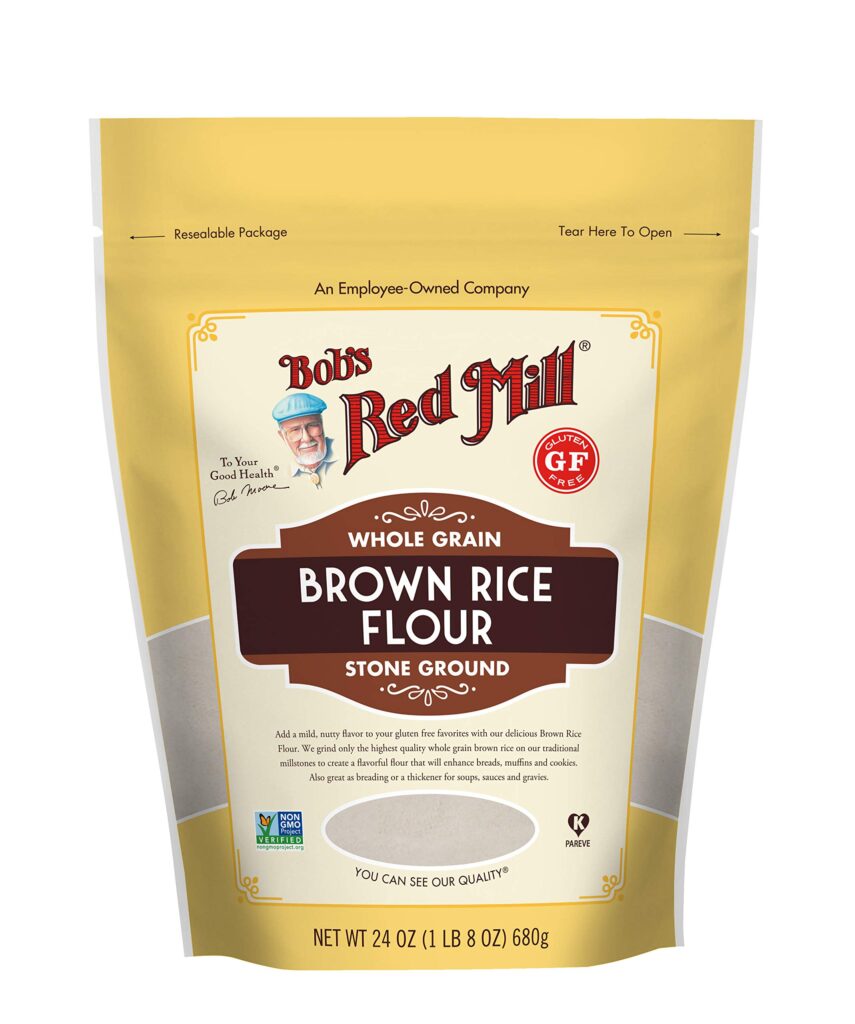
Brown rice flour is widely available at health food stores, specialty grocery stores, and online retailers. Some popular brands include Bob’s Red Mill and Arrowhead Mills. You can also find affordable options on Amazon.
When shopping for brown rice flour, it’s essential to choose a high-quality product that is fresh and free of additives. Look for products that are certified gluten-free and contain minimal ingredients.
Tips for Using Brown Rice Flour
- When using brown rice flour in baked goods, reduce the liquid content by 10-15% to achieve the right consistency.
- Brown rice flour can be used as a substitute for wheat flour in most recipes, but it may require adjusting the ratio of flours to achieve the desired texture.
- Store brown rice flour in an airtight container in a cool, dry place to preserve its nutritional value and flavor.
Conclusion
Brown rice flour is a nutritious and versatile ingredient that offers numerous health benefits. Its high content of micronutrients, protein, and fiber make it an excellent choice for those following a gluten-free diet or simply looking to incorporate more whole grains into their diet. Whether you’re baking bread, making pancakes, or cooking savory dishes, brown rice flour is an excellent addition to your kitchen arsenal.
FAQs
- Is Brown Rice Flour suitable for all gluten-free diets?
No, individuals with severe gluten intolerance should opt for certified gluten-free products to minimize the risk of cross-contamination. - What are the benefits of using Brown Rice Flour over White Rice Flour?
Brown rice flour retains more nutrients and protein due to its bran and germ content, making it a healthier option. - Can I use Brown Rice Flour as a 1:1 substitute for Wheat Flour?
No, brown rice flour has a different texture and flavor profile than wheat flour and should be used in moderation. - How do I store Brown Rice Flour to maintain its nutritional value?
Store brown rice flour in an airtight container in a cool, dry place to preserve its nutrient content. - Is Brown Rice Flour suitable for individuals with celiac disease or severe gluten intolerance?
Yes, brown rice flour is naturally gluten-free and can be used as a safe alternative for those with severe gluten intolerance. - Can I use Brown Rice Flour to make bread?
Yes, brown rice flour can be used to make delicious and nutritious bread, but it’s essential to experiment with different recipes and ratios to achieve the desired texture. - Is Brown Rice Flour affordable compared to other gluten-free flours?
Brown rice flour is generally more affordable than other gluten-free flours, making it an excellent option for those on a budget. - Can I use Brown Rice Flour as a thickening agent in recipes?
Yes, brown rice flour can be used as a natural thickening agent in sauces and soups due to its starchy properties.
Conclusion: The Benefits of Brown Rice Flour
In conclusion, brown rice flour is a nutritious and versatile ingredient that offers numerous health benefits. Its high content of micronutrients, protein, and fiber make it an excellent choice for those following a gluten-free diet or simply looking to incorporate more whole grains into their diet. With its nutty flavor and chewy texture, brown rice flour can be used in a variety of recipes, from baked goods to savory dishes.
Whether you’re a seasoned baker or a newcomer to the world of gluten-free cooking, brown rice flour is an excellent addition to your kitchen arsenal. So next time you’re at the grocery store or browsing online for ingredients, consider giving brown rice flour a try. Your taste buds and body will thank you!


