
Introduction
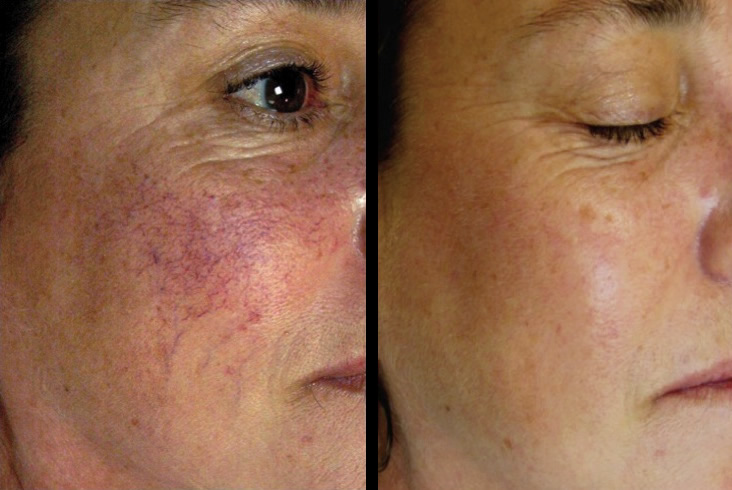
Broken capillaries, also known as broken blood vessels, are a common cosmetic concern that can be frustrating to deal with. They appear as red, thread-like marks on the skin, often on the face, and can be unsightly. However, with the right approach, it’s possible to eliminate them for good.
Recognizing Broken Capillaries
Before we dive into treatment options, it’s essential to understand what broken capillaries are and how they differ from other skin issues. A broken capillary is a small blood vessel that has ruptured, causing a red, thread-like mark on the skin. Unlike acne or rosacea, which can be painful and inflamed, broken capillaries are generally harmless but can still be unsightly.
Causes of Broken Capillaries
So, what causes these pesky marks? In most cases, broken capillaries are triggered by trauma to the skin, such as:
- Compressing a pimple too aggressively
- Undergoing intense microdermabrasion or chemical peels
- Staring at bright lights or having an allergy
- Exposure to extreme temperatures (hot showers and cold weather)
- Consuming spicy foods
- Engaging in strenuous exercise or excessive alcohol consumption
These factors can cause the capillary walls to become stretched or damaged, leading to inflammation and scarring.
The Importance of Genetics
Genetics plays a significant role in determining who’s more prone to broken capillaries. If you have sensitive skin, acne, or rosacea, you’re more likely to experience these issues. Additionally, exposure to cold temperatures during the winter months can exacerbate existing conditions.
Treatment Options for Broken Capillaries
While it may seem daunting to tackle broken capillaries on your own, there are treatment options available that can help eliminate them permanently. However, please note that home remedies are unlikely to provide a lasting solution.
The most effective treatment is laser therapy, which uses high-intensity light to heat up the blood within the capillary and induce inflammation and scarring. This process typically takes 4-6 weeks to complete and is relatively painless. It’s essential to consult with a dermatologist before undergoing this procedure, as they can help determine the best course of treatment for your specific needs.
Types of Laser Therapy
There are several types of laser therapy used to treat broken capillaries, including:
- Nd:YAG (Neodymium-Doped Yttrium Aluminum Garnet) lasers: These lasers use a longer wavelength and are more effective in treating deeper capillaries.
- KTP (Potassium Titanyl Phosphate) lasers: These lasers have a shorter wavelength and are better suited for treating shallower capillaries.
- Pulsed dye lasers: These lasers use a specific wavelength to target the red blood cells within the capillary.
Cost Considerations
The cost of laser therapy can vary depending on factors such as location, dermatologist expertise, and the severity of the broken capillaries. On average, you can expect to pay between €150 and €400 per session.
Preventing Broken Capillaries
While it’s challenging to completely prevent broken capillaries, there are steps you can take to reduce your risk:
- Always wear sunscreen with at least SPF 30 to protect your skin from UV rays
- Use gentle exfoliants to remove dead skin cells and prevent clogged pores
- Avoid extreme temperatures by taking warm showers instead of hot ones
- Keep your hands and face moisturized to prevent dryness and irritation
Home Remedies
While home remedies are unlikely to provide a lasting solution, there are some treatments you can try at home to help reduce the appearance of broken capillaries. These include:
- Topical creams or serums: Apply a cream or serum containing ingredients such as vitamin K or caffeine to help constrict blood vessels and promote healing.
- Cool compresses: Apply a cool compress to the affected area to help reduce inflammation and swelling.
- Avoid irritants: Avoid exposure to irritants such as spicy foods, hot showers, and harsh chemicals.
Frequently Asked Questions
- Can I treat broken capillaries at home?
No, home remedies are unlikely to provide a lasting solution. Consult with a dermatologist to determine the best course of treatment. - How long does laser therapy take?
Typically 4-6 weeks to complete, depending on the severity of the broken capillaries and individual healing time. - Are there any side effects from laser therapy?
Generally no, but it’s essential to follow your dermatologist’s instructions to minimize any potential risks. - Can broken capillaries be painful?
No, laser therapy is typically painless, although you may experience some discomfort during or after the treatment. - Will I have scarring from laser therapy?
Rarely, but it’s essential to follow your dermatologist’s instructions to minimize any potential risks. - Can broken capillaries be inherited?
Yes, genetics plays a significant role in determining who’s more prone to broken capillaries. - Are there any other treatment options besides laser therapy?
Other treatments may include topical creams or serums, but these are unlikely to provide a lasting solution.
Additional Tips
Here are some additional tips to help you manage and prevent broken capillaries:
- Be gentle with your skin: Avoid using harsh products or exfoliating too aggressively.
- Stay hydrated: Drink plenty of water to keep your skin healthy and hydrated.
- Avoid smoking: Smoking can damage the blood vessels in your skin, leading to increased risk of breakage.
By understanding the causes of broken capillaries, recognizing them on your skin, and exploring treatment options with a dermatologist, you can say goodbye to these pesky marks for good.


