
Fava beans, also known as broad beans or faba beans, are a type of legume that has been a staple in many cuisines around the world for centuries. Native to Asia Minor, they have been widely cultivated for human consumption and animal feed. These versatile beans are not only rich in nutrients but also offer several health benefits, making them an excellent addition to a balanced diet.
What Are Fava Beans?
Fava beans (Vicia faba L.) are a type of annual herbaceous plant that belongs to the Fabaceae family. They have a sturdy stem, large, flat leaves, and a cylindrical, edible pod containing seeds. The seeds themselves are oval-shaped, yellow-green, and relatively large compared to other legumes.
Nutritional Value
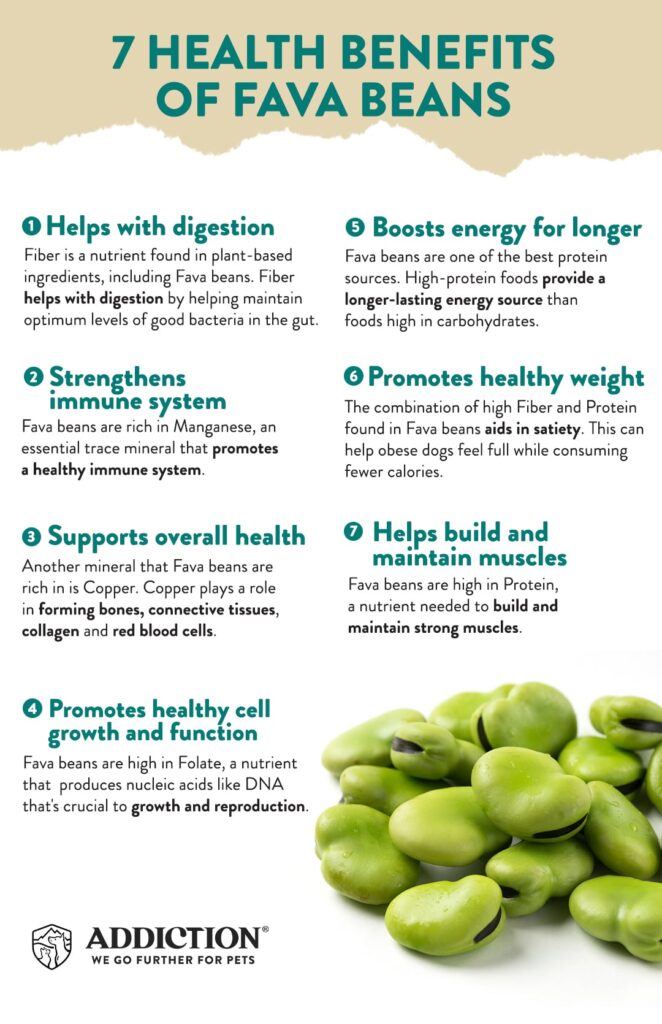
Fava beans are an excellent source of protein, making them an ideal option for vegetarians and vegans. One serving (100 grams) of cooked fava beans provides approximately 25 grams of protein, which is comparable to that of lentils and chickpeas. They are also rich in fiber (about 9 grams per serving), making them a great choice for digestive health.
Health Benefits
The nutritional profile of fava beans makes them an excellent addition to a healthy diet. Here are some of the key health benefits associated with consuming fava beans:
- High in Antioxidants: Fava beans contain high levels of antioxidants, including polyphenols and saponins, which help protect against oxidative stress and inflammation.
- Rich in Vitamins and Minerals: They are a good source of vitamins B6, thiamine, riboflavin, and niacin, as well as minerals like potassium, manganese, and iron.
- Lowers Cholesterol: The fiber content in fava beans can help lower LDL cholesterol levels, reducing the risk of heart disease.
Culinary Uses
Fava beans are versatile and can be prepared in various ways. They can be:
- Eaten Raw or Cooked: Fresh fava beans can be consumed raw or cooked to enhance their flavor and texture.
- Used in Soups, Stews, and Salads: Fava beans can add protein and fiber to soups, stews, salads, and pasta dishes.
- Mashed or Pureed: Cooked fava beans can be mashed or pureed as a side dish or used as an ingredient in sauces and dips.
Tips for Cooking with Fava Beans
When cooking with fava beans, keep the following tips in mind:
- Soaking: To reduce phytic acid content and improve digestibility, soak fava beans overnight before cooking.
- Boiling or Steaming: Cook fava beans by boiling or steaming them to preserve their nutrients and flavor.
- Pairing with Herbs and Spices: Add herbs and spices like garlic, lemon juice, and black pepper to enhance the flavor of fava beans.
Preparation Methods
Fava beans can be prepared in a variety of ways, including:
- Boiled Fava Beans: Boil fava beans until tender, then drain and rinse with cold water.
- Steamed Fava Beans: Steam fava beans until tender, then season with salt and lemon juice.
- Mashed Fava Beans: Mash cooked fava beans with garlic, lemon juice, and olive oil for a delicious side dish.
Fava Bean Recipes
Here are some simple recipes that showcase the versatility of fava beans:
- Fava Bean Soup: Combine cooked fava beans with vegetables, herbs, and spices to create a hearty soup.
- Fava Bean Salad: Toss cooked fava beans with mixed greens, cherry tomatoes, cucumber, and a vinaigrette dressing for a refreshing salad.
- Fava Bean Pasta: Mix cooked fava beans with pasta, tomato sauce, and parmesan cheese for a satisfying meal.
Growing Fava Beans
If you’re interested in growing your own fava beans, here are some tips:
- Planting: Plant fava bean seeds in well-draining soil with full sun exposure.
- Watering: Regular watering is essential to promote healthy growth and production.
- Fertilization: Fertilize fava beans regularly to ensure optimal nutrition.
By embracing the nutritional potential of fava beans and incorporating them into your diet, you can enjoy a balanced and satisfying meal that offers numerous health benefits.


