
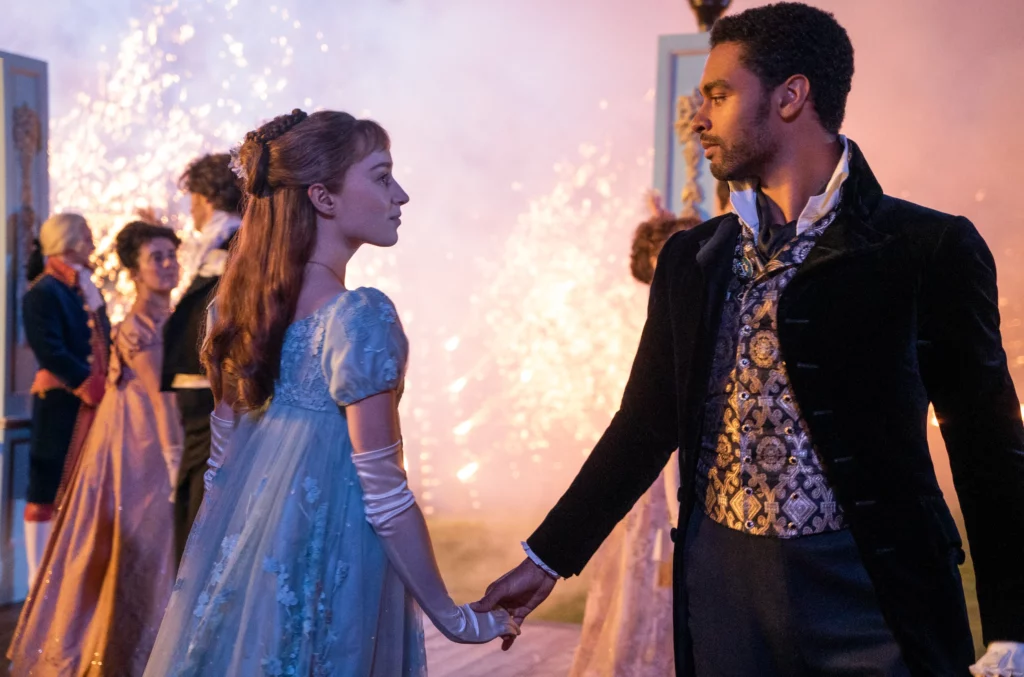
The world of “Bridgerton” has captivated audiences with its opulent costumes, riveting storylines, and, most importantly, its intricate family dynamics. Based on the beloved book series by Julia Quinn and brought to life by Shondaland’s Netflix adaptation, “Bridgerton” offers viewers an inside look into the countless relationships that shape the lives of the Bridgerton family. This article will explore the complex relationships between the Bridgertons, from sibling bonds to romantic entanglements, and how these dynamics inform the characters’ actions and motivations throughout the series.
The Foundation of Family Bonds
At its core, “Bridgerton” emphasizes the significance of family. The Bridgertons, headed by the widowed Lady Violet Bridgerton, boast eight children, each distinct in personality and social standing. The family’s close-knit nature is evident from the outset. Lady Violet’s commitment to her children is unwavering, as she strives to ensure their happiness and success within the rigid parameters of Regency-era society.
The family operates like a well-oiled machine, driven by love and loyalty. Each sibling contributes to the family dynamic in their way, presenting a reflection of the complex relationships that exist among them. The eldest son, Anthony, takes on the role of protector, balancing familial duty with his own aspirations. His character serves as the axis around which the family’s interactions often revolve — showcasing the tension between responsibility and desire that many viewers can relate to.
Sibling Relationships: A Mix of Rivalry and Support
Sibling dynamics are at the heart of the Bridgerton narrative. Fans often find themselves drawn to the varied relationships between the brothers and sisters, each echoing the universal experiences of rivalry, support, and camaraderie that many families encounter.
Anthony and Benedict: The Brothers in Arms
The relationship between Anthony and Benedict is marked by a natural camaraderie, yet each brother carries his burdens. Anthony, being the eldest, shoulders the weight of familial responsibilities, taking on the role of the head of the household after their father’s passing. His efforts to provide for and protect his siblings often lead to tension, particularly with younger brother Benedict, who desires to pursue a more artistic passion. This conflict showcases the balance between familial duty and individual aspirations, a theme that resonates deeply with the audience.
Yet, nevertheless, their bond remains strong, highlighted by supportive exchanges and shared experiences. The deep-rooted brotherly affection shines during moments of grief or uncertainty, presenting a reminder that, despite the unique paths they choose, their familial bond remains unbreakable.
Eloise and Daphne: From Rivals to Allies
Sisters Eloise and Daphne represent another dimension of sibling relationships. Initially, Eloise casts a critical eye on Daphne’s quest for love and the societal pressures that define it. As Daphne navigates the treacherous waters of Regency courtship, Eloise delves into the constraints placed upon women in a patriarchal society.
Through humor and poignant moments, their relationship evolves from rivalry to a shared understanding that illuminates both their individual journeys. This evolution is particularly captivating for viewers, emphasizing the importance of open and honest communication among siblings – even amidst differing opinions and priorities.
Romantic Entanglements: Love and Loyalty
Beyond the familial ties, romantic relationships within the Bridgerton household create added complexity to their dynamics. Characters like Daphne, Anthony, and Simon play pivotal roles in exploring love’s intersection with familial duty.
Daphne and Simon: Love in a Time of Duty
The romance between Daphne Bridgerton and Simon Basset, the Duke of Hastings, serves as the emotional centerpiece of the first season. Their courtship, rife with tension and misunderstandings, confronts societal expectations and the concept of love forged from duty rather than passion.
Daphne’s relationship with Simon encapsulates the struggle many women faced during the Regency era. As she attempts to negotiate her desires with societal expectations, it highlights a broader theme of the series: the fight for agency in romantic relationships. Through their journey together, Daphne learns the importance of love that transcends social conventions, ultimately aligning her desires with her family’s expectations.
Yet, Simon’s initial resistance to love stems from his tumultuous relationship with his father and unresolved feelings from his past. This idea of generational trauma, represented through Simon’s struggles, resonates deeply, illustrating how familial dynamics can shape romantic choices.
[amazon box=”B08XLLF3PG”]
The Role of Tradition in Bridgerton Family Dynamics
Tradition plays a significant role in shaping the dynamics within the Bridgerton family. Lady Violet’s adherence to societal norms and the expectations of propriety constantly influence the decisions each character makes.
The Importance of Marriages and Matchmaking
For the Bridgertons, societal standing and wealth conjoin with love in the context of marriage, a reality that weighs heavily on their relationships. The elaborate ballrooms and matchmaking schemes echo the realities of 19th-century society, making it clear that love must often contend with financial and familial obligations.
Lady Violet’s tutelage of her children in the art of matchmaking highlights the complex nature of these relationships. While this tradition seeks to maintain social order, it also creates underlying tensions that push the boundaries of various relationships, inviting conflict and surprises that enhance their story arcs.
As the series progresses, the characters mature, and the relationships evolve. The dynamics of the Bridgerton family begin to shift in response to both external influences and internal growth.
Overcoming Adversity Together
Moments of adversity serve as catalysts for character development and the fortification of familial bonds. Tragedies push the family to come together, revealing that strength lies in unity. For example, the family grapples with the effects of loss and grief, illustrating how tragedy can deepen relationships and evoke personal transformations.
Disharmony emerges at times as siblings venture into the complex web of romantic entanglements; however, these conflicts often lead to deeper understanding and healing within the family. By confronting their individual and collective vulnerabilities, the Bridgertons demonstrate that navigating complexity can lead to growth and mutual support.
Conclusion: The Timelessness of Family Dynamics
The allure of “Bridgerton” extends far beyond the romance and glamour that envelop the Regency era. At the heart of this narrative is the timeless exploration of family dynamics. Through rich storytelling and relatable characters, viewers are invited to reflect on their relationships and the nuances that make families unique.
Ultimately, the Bridgerton family serves as a microcosm of society, reflecting the innate complexities of human relationships. The intricacies of love, loyalty, and tradition, peppered with moments of both joy and sorrow, transform these characters into a relatable ensemble. Their story resonates with audiences today, reminding us that no matter the era, the dynamics of family continue to shape our paths in love and life.
In exploring the complex relationships between the Bridgertons, we uncover valuable insights into the nature of human connection. As the series continues to unfold, one can only anticipate further revelations about the lives, loves, and loyalties woven into the rich tapestry of this beloved family — reminding us that sometimes, family dynamics are the most captivating adventure of all.


