
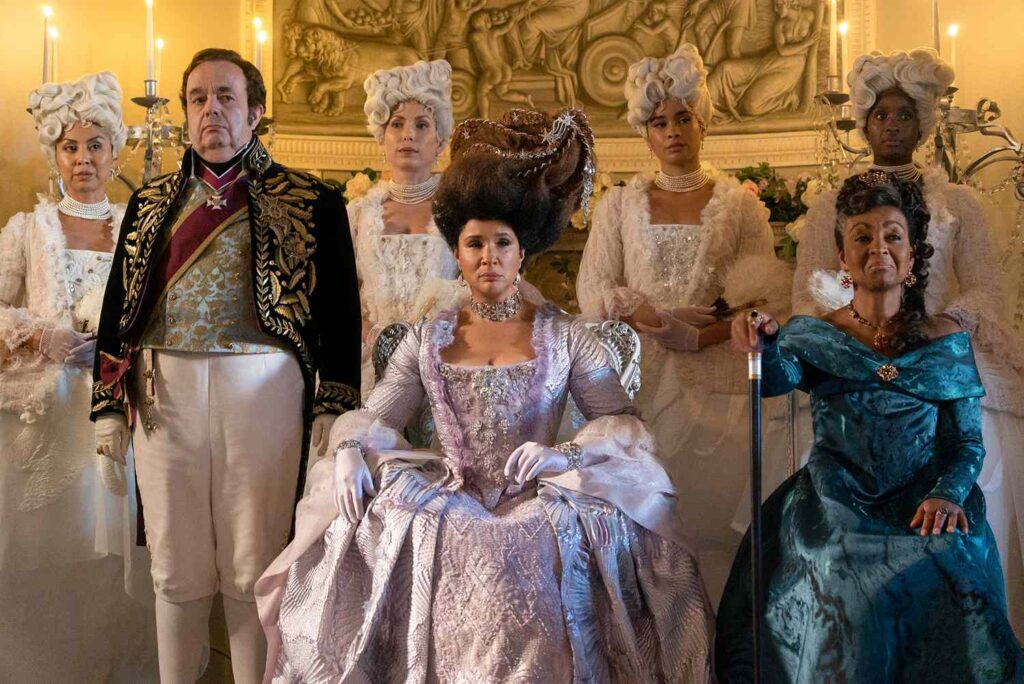
The allure of period dramas lies not only in their lavish costumes and sweeping romances but also in their ability to transport audiences back in time. With its vibrant visuals and captivating storytelling, Netflix’s “Bridgerton” has established itself as a standout series, capturing the hearts of millions and setting the bar for how historical accuracy can be balanced with dramatic flair. But how does “Bridgerton” honor the intricate details of the Regency era while still appealing to modern sensibilities? Join us as we explore the significance of historical accuracy in “Bridgerton” and the ways in which it pays homage to the Regency period.
A Brief Overview of the Regency Era
To understand the historical context of “Bridgerton,” it’s essential to have a brief overview of the Regency era, which spanned from 1811 to 1820. During this time, the British monarchy was led by the Prince Regent, who governed on behalf of his father, King George III. Known for its distinctive fashion, social structures, and rapid changes due to industrialization, the Regency era also witnessed a shift in cultural norms, particularly regarding class and gender roles.
Notably, the Regency period is renowned for its literature, featuring iconic authors such as Jane Austen and the Brontë sisters. Their novels often explore themes of love, societal expectations, and the complexities of human relationships—an echo of the very narratives that “Bridgerton” brings to life.
The Scarlett Threads of Historical Detail
Costumes that Speak Volumes
One of the most noticeable elements of “Bridgerton” is its stunning wardrobe, which serves not just as eye candy but as a canvas reflecting the fashion norms of the Regency period. From the high-waisted empire-line dresses to the intricate tailcoats of the gentlemen, the show’s costume designer, Ellen Mirojnick, took great care to ensure that every detail was meticulously researched.
While some elements might lean towards modern stylistic choices, Mirojnick ensures that the essence of Regency fashion is preserved. The show uses fabrics that evoke the period’s elegance, favoring muslin, linen, and silk. The colors and patterns chosen resonate with the era’s trend of soft pastel hues, which often symbolized social status and wealth. In this way, “Bridgerton” not only entertains but also educates its viewers about the subtle nuances of fashion history.
Set Designs: A Dance with Authenticity
Beyond costumes, “Bridgerton” excels in its set designs, with lavish ballrooms and opulent gardens. The production team worked tirelessly to recreate the aesthetic of Regency London. Each location—be it the Bridgerton residence, the Featherington house, or the glossy ballrooms—seeks to immerse the viewer in the decor of the period, including rich tapestries, intricate moldings, and candlelit chandeliers that reflect both luxury and social hierarchy.
These set designs play a crucial role in storytelling, serving not only as a backdrop for the narrative but also enhancing the atmosphere of the Regency era. By maintaining this commitment to authenticity, “Bridgerton” successfully invites audiences to experience a vibrant historical context.
Social Structures: Reflecting the Past and Present
Class Distinctions and Social Norms
One of the most significant aspects of the Regency era was its rigid class structure. “Bridgerton” navigates this delicately, showcasing the lives of the upper echelons of society while also hinting at the daily struggles of lower classes. The dynamics within the Bridgerton family and their interactions with other families—notably the Featheringtons—illustrate the complex web of social climbing, alliances, and rivalries that governed the elite society of the time.
The show doesn’t shy away from addressing issues of race and inclusion. With an intentionally diverse cast, “Bridgerton” takes steps to challenge historical narratives that often ignore the experiences of Black individuals during the Regency period. Characters like Simon Basset, the Duke of Hastings, break through traditional barriers, bringing a modern perspective on racial dynamics while remaining rooted in the societal norms of the time. This nuanced exploration of class and race is critical, as it offers contemporary audiences a fresh interpretation of history without overshadowing its authentic portrayal.
[amazon box=”B08XLLF3PG”]
Romantic Ideals vs. Historical Realities
Love, Marriage, and Social Contracts
At its core, “Bridgerton” is a romantic exploration of love and social contracts that dominated the Regency era. The series draws heavily from the concept of “marriage markets,” wherein young high society women sought advantageous unions. This practice was often driven by familial expectations rather than personal desire, placing societal pressure on individuals—a theme that persists today.
The romantic escapades of Daphne Bridgerton and Simon Basset serve as a lens through which viewers can examine these conventions. While their union begins as a strategic partnership molded by societal expectations, it evolves into genuine affection—a reflection of the idea that love can arise even within the confines of duty. The show effectively captures the complexities of these romantic entanglements while also maintaining a clear nod to the expectations of the Regency era.
Dialogue and Language: A Modern Take on Historical Speech
Balancing Authenticity with Accessibility
Language plays a pivotal role in any period drama, and “Bridgerton” manages to balance historical dialogue with contemporary accessibility. The script cleverly blends formal Regency speech with more modern vernacular, enabling audiences to connect with the characters emotionally without losing the visual and thematic milieu of the period.
Witty repartees and clever banter mirror the social maneuvering essential to survival in the Regency era while still resonating with today’s viewers. By ensuring the dialogue is engaging and approachable, “Bridgerton” maintains that delicate line between authenticity and entertainment.
Pivotal Moments: When History Meets Fiction
The Role of Gossip: Lady Whistledown’s Narration
One of the show’s most unique narrative devices is the character of Lady Whistledown, the anonymous newsletter author who keenly critiques high society. The whisperings of Lady Whistledown add an essential layer to the plot, grounding the drama in a reality where gossip serves both as entertainment and social currency.
While the figure of the gossip columnist isn’t historically accurate, it reflects the importance of information exchange in the Regency era—especially for women. The creation of Lady Whistledown allows the show to amplify its social commentary on reputation, status, and agency.
Conclusion: A Celebration of History and Imagination
While “Bridgerton” embraces creative liberties in its storytelling, it remains deeply rooted in historical accuracy. From fashion and set design to social norms and romantic customs, the series serves as both a celebration and reimagination of the Regency era. By cleverly intertwining historical truths with modern themes, “Bridgerton” not only entertains but also educates viewers about a richly layered period in British history.
As we revel in the tantalizing drama and breathtaking visuals, it’s crucial to acknowledge the underlying respect for the past that “Bridgerton” embodies. This series does not merely depict a bygone era but invites us to engage with history, sparking conversations about class, race, and the nature of love across centuries. For anyone yearning for an escape into a vibrant world of elegance, romance, and history, “Bridgerton” offers an irresistible, yet thoroughly researched experience.
So, as you embark on your journey through the world of “Bridgerton,” allow yourself to get lost in the splendor of the Regency era while appreciating the historical craftsmanship that drives the story forward. Whether you’re a history buff, a romantic at heart, or simply someone who loves a good tale, “Bridgerton” ensures there’s something to capture your interest, all the while blessing the audience with a potent reminder of where we came from. So, dust off your finest ball gown or top hat, and prepare to step into a world where history meets fantasy, blended in a delightful dance. Happy watching!


