
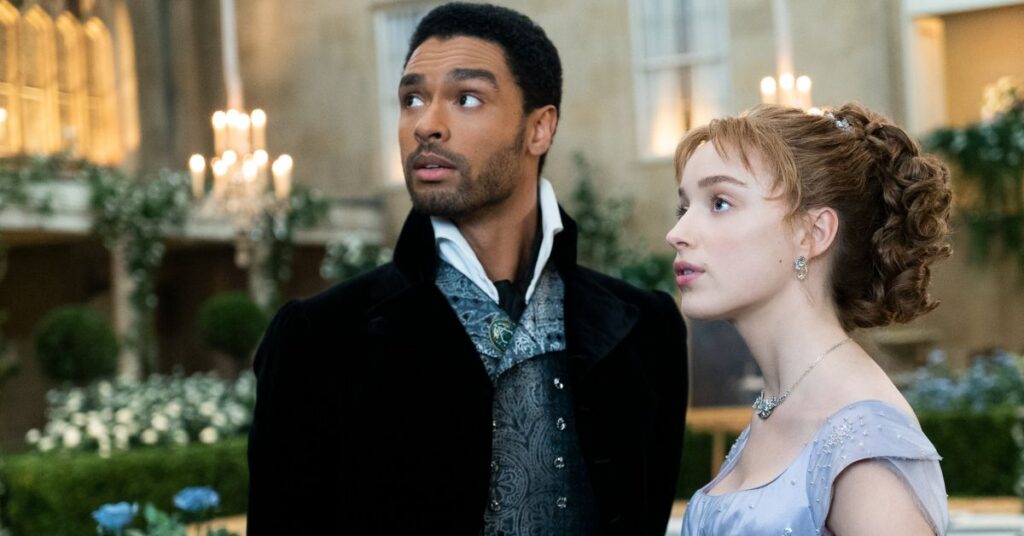
When Bridgerton first graced our screens on Netflix in December 2020, few could have anticipated the seismic impact it would have on popular culture and the genre of period dramas. Inspired by Julia Quinn’s best-selling novels, Bridgerton is not just a mere adaptation; it is a redefinition of what period dramas can accomplish in our contemporary world. But how exactly has this series reshaped the genre and influenced popular culture as a whole? Join us as we delve into the multifaceted impact of Bridgerton, exploring its visual aesthetics, diverse casting, modern storytelling techniques, and its influence on fashion and societal conversations.
A Fresh Lens on Period Dramas
Historically, period dramas often leaned heavily on realistic portrayals of historical context, prioritizing authenticity over contemporary appeal. With Bridgerton, however, we see an innovative approach that blends historical accuracy with modern-day sensibilities. The series is set in Regency-era England but embraces a certain enchanting fantasy that resonates with today’s audience. The lush cinematography and lavish sets are not just eye candy; they’re a feast for the senses, inviting viewers into a world that feels simultaneously nostalgic and modern.
The showrunners, including the brilliant Shonda Rhimes, took a fresh lens to storytelling. Bridgerton is replete with humor, wit, and romance, showcasing character depth and emotional arcs that transcend the traditional tropes of the genre. The narrative is imbued with drama, scandal, and intrigue, making it accessible to viewers who may not typically gravitate toward period pieces.
A Revolution in Representation
One of the most groundbreaking aspects of Bridgerton is its commitment to diverse representation. The series presents a richly varied cast, where characters of different racial backgrounds are not only included but are also pivotal to the storyline. By casting actors of color in roles traditionally reserved for white characters, Bridgerton challenges the status quo of period dramas and reimagines history as a tapestry woven from diverse threads.
The inclusion of Queen Charlotte, portrayed by Golda Rosheuvel, as a character of color immediately sets a different tone, making a powerful statement about Black royalty and representation in historical narratives. This move has not only sparked conversations about representation in media but also inspired further discourse on race and inclusion in Hollywood, inspiring other creators to follow suit.
The Modern Romance
At its core, Bridgerton is a romantic tale, but it approaches love through a modern lens. The relationships depicted in the series are both passionate and complicated, reflecting the complexities of modern-day romance. The characters navigate societal expectations, personal desires, and family dynamics, which resonate with viewers from all walks of life.
The show has made the “enemies-to-lovers” trope a central theme, encapsulating the tension and allure of romantic conflict. This formula has not only enchanted audiences but also set new standards for romantic narratives in television. It challenges the traditional portrayal of love, making room for narratives that celebrate individuality and mutual respect within relationships.
Moreover, Bridgerton has garnered massive attention for its steamy scenes and frank discussions about sexuality, making it a pioneer in breaking taboos. The show invites viewers to explore themes of desire and consent with an air of sophistication, presenting them as natural aspects of life rather than controversial topics.
The ‘Bridgerton Effect’: Fashion and Aesthetic Influence
Beyond storytelling, Bridgerton has had a profound impact on fashion trends and aesthetics. The opulent costumes and extravagant hairstyles serve as a powerful visual vocabulary, making a strong statement about the relationship between past and present. Designers and fashion enthusiasts alike have embraced the ‘Bridgerton Effect,’ which has influenced everything from high fashion to everyday wear.
The series has inspired a revival of Regency-era styles, with corsets, puff sleeves, and floral prints making a grand return to contemporary fashion. The exquisite costumes have become symbolic of a intersection between elegance and modernity, pushing fashion boundaries and encouraging individuals to express themselves through a blend of historical and contemporary styles.
On social media platforms like Instagram and TikTok, the #Bridgerton hashtag has exploded. From fashion hauls to DIY costume tutorials inspired by the show, fans are eager to recreate the signature looks of their favorite characters, emphasizing that this isn’t just a show—it’s a cultural movement. Fashion designers have seized upon this obsession, creating collections that mirror the sumptuous styles featured in the series, making high fashion more accessible and relatable to everyday audiences.
[amazon box=”B08XLLF3PG”]
Bridgerton’s Soundtrack and Its Lasting Influence
Another critical aspect of Bridgerton that contributed to its cultural impact is its innovative soundtrack. The series features a unique blend of classical music renditions of modern pop songs, transforming familiar tunes into elegant orchestral pieces. From Billie Eilish’s “Bad Guy” to Ariana Grande’s “Thank U, Next,” these covers capture the essence of the original songs while inherently imbuing them with the Regency atmosphere.
The juxtaposition of the old and the new creates a powerful emotional resonance, allowing viewers to connect with the characters in a fresh and contemporary way. This innovative use of music not only enhances the viewing experience but also introduces modern tracks to a wider audience, proving that musical boundaries can be beautifully blurred.
Moreover, the soundtrack has sparked interest in classical music among younger viewers, promoting a resurgence of interest in orchestral compositions and encouraging them to explore the broader musical landscape.
Cultural Conversations: Gender and Class Dynamics
Bridgerton doesn’t just entertain; it invites viewers to reflect on the complexities of gender and class dynamics. The series critiques traditional gender roles through its strong female characters, particularly Daphne Bridgerton and the Lady Whistledown persona, who shape their destinies rather than merely conforming to societal expectations.
Daphne’s journey as she navigates the marriage market and societal pressures speaks to the issues many women continue to face today. Meanwhile, the character of Lady Danbury, an influential matriarch, challenges the stereotype of elderly women in period dramas by commanding respect and authority, further complicating the narrative around age, gender, and power.
Bridgerton also subtly explores the limitations placed on individuals by class structures. The series showcases how social mobility can challenge established norms, questioning the rigidity of societal hierarchies. This commentary resonates with contemporary audiences in an age where economic disparity and social equity are at the forefront of public discourse.
Bridgerton and the Future of Television
As we look ahead, it’s evident that Bridgerton has redefined the landscape of television, setting a new standard for how period dramas can be created and received. Its success has signaled to creators that there is a significant audience for shows that balance historical narratives with modern themes.
Networks and streaming platforms are increasingly drawn to the potential of reinventing traditional formats, enabling a wave of creativity to flourish. We can expect to see more series taking inspiration from Bridgerton’s bold approach, prioritizing inclusivity, fresh storytelling, and engaging aesthetics.
Furthermore, the continued success of Bridgerton has paved the way for spin-offs and sequels, all which explore new dimensions in this vibrant universe. This expansion not only broadens representation further but keeps audiences hooked on the rich storytelling that Bridgerton has brought to light.
Conclusion: Bridgerton’s Lasting Legacy
In just a short amount of time, Bridgerton has left an indelible mark on popular culture and has redefined the societal perception of period dramas. By seamlessly blending modern themes with historical narratives, embracing diverse representation, and promoting important conversations about gender, class, and power, the series has changed the game in more ways than one.
As viewers continue to flock to this captivating world, it’s clear that Bridgerton is more than just a drama; it’s a cultural phenomenon that encourages us to reimagine history itself. Whether it’s through its stunning visuals, innovative soundtrack, or bold characters, Bridgerton will undoubtedly continue to influence popular culture for years to come. With its groundbreaking approach, the series invites us all to dive into a world where the past and present can beautifully intertwine, creating a rich tapestry of stories that reflect who we are today.
So, the next time you find yourself watching a period drama, remember: Bridgerton has not only changed the genre but redefined what it means to tell stories that resonate across time. Whether you’re a longtime fan of period dramas or new to the genre, Bridgerton’s impact is a testament to the power of storytelling in a world that thrives on connection, creativity, and inclusivity.


