
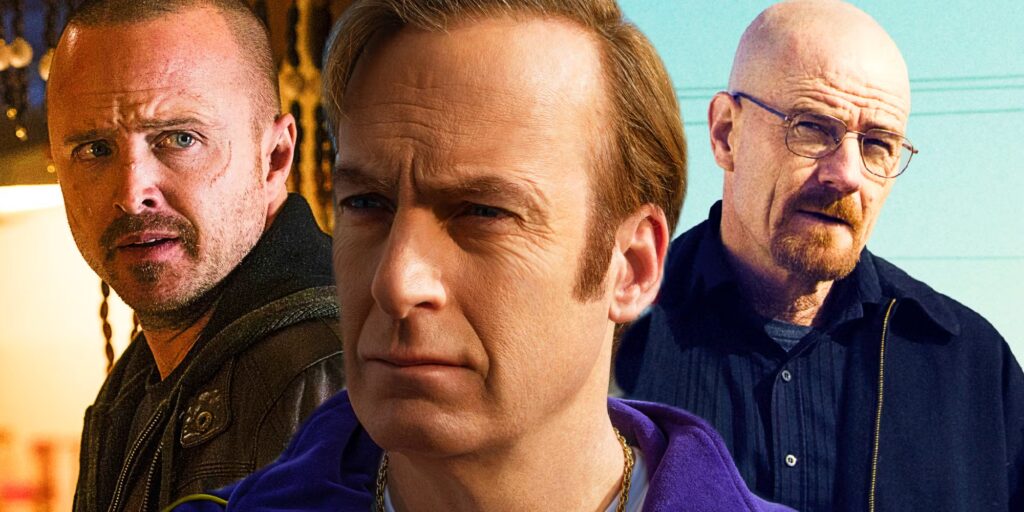
The world of television has seen its share of unforgettable shows, but few have left as significant a mark on popular culture as Breaking Bad. When it concluded in 2013, fans were left with a blend of satisfaction and a yearning for more, which has fueled the popularity of its spin-off, Better Call Saul. This prequel not only pays homage to its predecessor but also stands strong as an exceptional series on its own. If you’re an enthusiast of riveting storytelling, intricate character development, and the underbelly of crime, you might be wondering: What makes Better Call Saul so compelling, and what do you need to know about this incredible spin-off?
Understanding the Relationship Between Breaking Bad and Better Call Saul
Better Call Saul, created by Vince Gilligan and Peter Gould, premiered in 2015 and is set in the early 2000s, well before the events of Breaking Bad. The show focuses on the transformation of Jimmy McGill, a small-time lawyer hustling to make a name for himself, into the morally challenged Saul Goodman, the criminal lawyer we came to know in Breaking Bad.
The relationship between the two shows is more than just chronological; Better Call Saul delves deeper into the characters and themes explored in Breaking Bad. It provides a comprehensive backstory for beloved characters like Mike Ehrmantraut and Gus Fring, while also introducing new faces that are just as intriguing.
The Character Journey of Jimmy McGill
At the center of Better Call Saul is Jimmy McGill, played by Bob Odenkirk. From the outset, we witness Jimmy’s struggle for legitimacy in a world rife with corruption and greed. Unlike Walter White, whose character development leads him down a dark path, Jimmy’s journey is more nuanced. He grapples with his ambition and moral compass, reflecting the complexities of human nature.
What makes Jimmy appealing is his wit, charm, and knack for bending the law to his advantage, traits that would eventually evolve into the persona of Saul Goodman. The show paints a vivid backdrop of his relationship with his brother Chuck McGill, whose disdain for Jimmy’s morally flexible tactics cultivates ongoing tension between the two.
The Rise of Saul Goodman
As Jimmy’s story unfolds, we see how he adopts the persona of Saul Goodman, driven by his ambition and a desire for financial stability. His tagline, “Better Call Saul,” epitomizes his unique ability to navigate the murky waters of the law. The character progression from Jimmy to Saul is a masterclass in storytelling, showcasing desperation, cunning, and the quest for identity in a chaotic world.
The Rich Supporting Cast
Better Call Saul boasts an impressive supporting cast that enhances the show’s depth. Characters like Mike Ehrmantraut, portrayed by Jonathan Banks, serve as the moral anchor amid the chaos. Mike’s stoic demeanor and complex history as a hitman add layers to the narrative, making him an emblematic figure within the show.
Furthermore, Kim Wexler, played by Rhea Seehorn, is a standout character who serves as both a love interest and a moral compass for Jimmy. Her evolution throughout the series challenges the notion of morality within the legal system, highlighting the blurred lines between right and wrong.
Other notable characters include Howard Hamlin, played by Patrick Fabian, who embodies the corporate world’s rigid structure, and Nacho Varga, played by Michael Mando, who offers a glimpse into the operations of the cartel. Each character is intricately woven into the overarching narrative, augmenting the show’s compelling themes.
Themes of Morality and Consequences
One of the most powerful aspects of Better Call Saul is its exploration of morality and the consequences of our choices. Each episode presents moral dilemmas that force characters to confront the implications of their actions, prompting the audience to reflect on their own beliefs about justice, ethics, and loyalty.
Throughout the series, Jimmy’s attempts to reform often lead him back to a life of con artistry and manipulation. The show expertly illustrates how small compromises can snowball into significant ethical failures, culminating in a powerful commentary on the human condition and the choices we make.
[amazon box=”B08XLLF3PG”]
Cinematic Excellence
The high production quality of Better Call Saul is evident from the very first frame. From stunning cinematography that captures the stark beauty of Albuquerque to meticulously crafted shot compositions, every detail is intentional. The use of color, lighting, and framing contributes to the show’s overall aesthetic, establishing a tone that matches its thematic depth.
The writing is another standout feature, with sharp wit, clever dialogue, and intricate plotting. Each episode is crafted with precision, drawing viewers into a world where tension and drama unfold seamlessly. The pacing of the series keeps audiences on the edge of their seats, making it difficult to watch just one episode.
The Connection to Breaking Bad
For fans of Breaking Bad, Better Call Saul serves as both a prequel and a clever homage. The series is filled with Easter eggs, callbacks, and references that enrich the viewing experience for dedicated followers of the franchise. Familiar faces, scenarios, and settings reappear, creating a sense of continuity that bridges the two worlds together.
However, what sets Better Call Saul apart is its ability to be appreciated independently. New viewers can dive into the series without prior knowledge of Breaking Bad and still find themselves captivated by the story and characters.
The Show’s Reception and Cultural Impact
Upon its release, Better Call Saul received critical acclaim, with praise directed at its writing, character development, and performances. Bob Odenkirk garnered several award nominations for his portrayal of Jimmy McGill/Saul Goodman, solidifying his place as one of television’s most beloved characters.
The spin-off has made a significant cultural impact, influencing how we define ‘antiheroes’ in modern television. Jimmy’s slippery moral path invites viewers to explore their perceptions of right and wrong, challenging conventional narratives about morality in media.
The series has garnered a dedicated fanbase, further solidifying its status as a cultural phenomenon. Its exploration of morality, identity, and family resonates with audiences, prompting discussions that extend far beyond the confines of the screen.
Conclusion: Why You Should Watch Better Call Saul
If you’re looking for a series that combines exceptional storytelling with rich character development, Better Call Saul is must-see television. Whether you’re a fan of Breaking Bad or a newcomer to the saga, there’s something undeniably captivating about Jimmy McGill’s journey and the world he inhabits.
With masterful writing, stellar performances, and an exploration of complex themes, Better Call Saul stands as a testament to the art of storytelling in television. As the series continues to develop and expand its narrative, it will undoubtedly leave an indelible mark on viewers and the television landscape.
So, grab some popcorn, find a cozy spot on your couch, and prepare yourself for a wild ride through the morally ambiguous world of Better Call Saul. You won’t regret it!
If you have any questions or want to share your thoughts about the show, feel free to comment below! Don’t forget to subscribe to our travel blog magazine for more insights into television, culture, and everything in between!



