
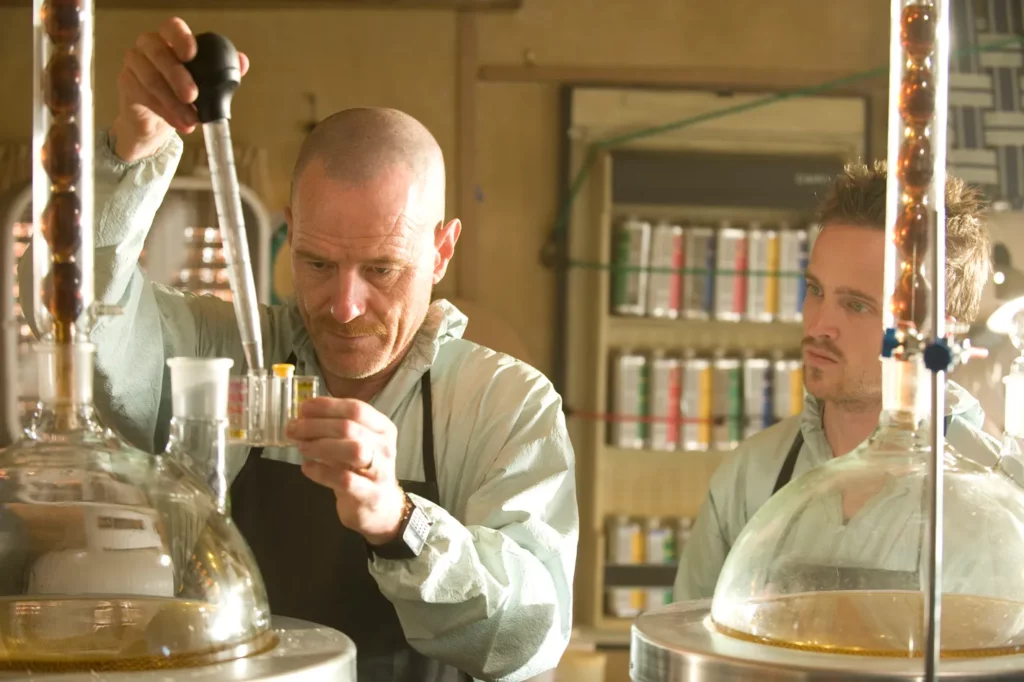
When it comes to iconic American television shows, few have etched themselves into the cultural zeitgeist quite like Breaking Bad. Created by Vince Gilligan, the series chronicles the transformation of Walter White, a high school chemistry teacher turned methamphetamine manufacturer. With its blend of moral ambiguity, intense drama, and a touch of black humor, the series has captivated audiences worldwide. But for many fans, one of the most intriguing aspects of the show is its scientific backdrop. How realistic is the chemistry depicted in Breaking Bad? In this article, we’ll explore the science behind the series and assess its accuracy, while also weaving in insights for aspiring chemists and fans alike.
A Quick Dive Into the Plot
Before delving into the science, let’s recap the basic premise of Breaking Bad. The story begins with Walter White (played brilliantly by Bryan Cranston), a mild-mannered chemistry teacher diagnosed with terminal lung cancer. Faced with the grim prospect of financial instability for his family, Walter teams up with former student Jesse Pinkman (Aaron Paul) to produce high-quality blue meth. What follows is a gripping exploration of crime, morality, and the lengths one will go to for family and survival.
The series is replete with various scientific concepts, from the chemical processes involved in meth production to the exploration of toxic substances. However, how accurately are these portrayed? Let’s break it down.
The Chemistry of Methamphetamine
At the core of Breaking Bad is the production of methamphetamine, often referred to as “meth.” The show delves into the chemistry behind this illicit drug, which, according to the National Institute on Drug Abuse, is a powerful and highly addictive stimulant that affects the central nervous system.
Methamphetamine Basics
Methamphetamine is a synthetic compound that resembles amphetamine, a chemical used in the treatment of attention deficit hyperactivity disorder (ADHD). The key difference lies in meth’s structure and the way it interacts with the body’s neurological pathways. The show showcases the process of synthesizing meth using various precursor chemicals, an intricate combination that plays heavily into the plot.
Realistic Chemical Processes
While the specifics of meth production are often simplified for dramatic effect, the basic chemical processes are grounded in reality. The infamous “blue meth” in Breaking Bad is produced through a process called “reduction,” which is where one chemical compound is transformed into another by gaining electrons. The show hints at using phenylacetone (P2P) as a precursor, which is common in real-world meth production.
The Role of Chemistry
Critics and chemists have praised Breaking Bad for its dedication to realism. The writers consulted with chemists to ensure that many of the chemical processes showcased were rooted in actual science. Walter White’s wealth of knowledge stands as a reminder of the power and dangers of chemistry; when used ethically, it can lead to innovation, but in the wrong hands, it can result in destruction.
The Ultraviolet Illumination
One particularly striking aspect of Breaking Bad’s cinematography is the blue hue of the meth, which has led to various interpretations and discussions among viewers. While the color of meth varies in reality—typically ranging from white to off-white—its cinematic portrayal serves as a visual metaphor for Walter White’s transformation from a simple teacher to a drug lord.
The Science Behind Color
Chemically speaking, the bluish tint can be attributed to the presence of certain impurities or chemical reactions. Some meth producers introduce blue dye to enhance the drug’s appearance, effectively making it stand out from other products. This facet of the show starts a conversation about how perception can be manipulated through science.
The Risks of Drug Manufacturing
Throughout Breaking Bad, we see the catastrophic consequences of drug production, including explosions and toxic exposure. These hazards are incredibly realistic. Chemical manufacturing—especially of drugs—is fraught with risks. Improper handling of toxic substances can lead to severe health risks, fires, and explosions.
[amazon box=”B08XLLF3PG”]
Laboratory Safety
In reality, individuals attempting to recreate meth production without proper training often find themselves in life-threatening situations. Educational initiatives aimed at teaching safe laboratory practices highlight the importance of managing chemicals responsibly. The show touches on these themes, showcasing the grisly consequences of carelessness in the chemistry lab.
The Impact of Chemical Mishandling
In Breaking Bad, mishandling of chemicals leads to numerous dramatic and irreversible consequences. The character Gus Fring’s superlab is a high-tech facility, but even it isn’t immune to accidents, leading to intense narrative climaxes that underscore the importance of safety regulations.
Real-World Criminal Cases
Outside of the screen, cases of meth production often reveal the extreme lengths some go in the pursuit of wealth, demonstrating not only the impact on health but also significant legal repercussions. The DEA and other law enforcement agencies continuously try to combat the meth epidemic, emphasizing the series’ underlying message about drug abuse consequences.
How Chemistry is Portrayed in other Shows
While Breaking Bad set a high standard for incorporating authentic science into television, it’s worth looking at how other shows have tackled similar subjects.
The ‘CSI’ Effect
Shows like CSI: Crime Scene Investigation have popularized forensic science, with each episode showcasing the latest in forensic chemistry, oddly balancing realism with entertainment. While the science gets a bit of a poetic license, it has broadened viewers’ understanding of what science can do.
The ‘Big Bang Theory’ Chemistry
On a lighter note, The Big Bang Theory often incorporates theoretical and experimental physics in humor-laden scenarios, but it paints a rather sanitized view of science. Audrey and Lesley handwave through scientific theories more for comedic relief than accuracy, reminding us of the spectrum of how science can be portrayed on television.
The Educational Value of ‘Breaking Bad’
While its focus on illicit drug production may not seem like a traditional way to educate viewers on chemistry, Breaking Bad does have significant educational value. The show inspires interest in chemistry, illustrating real-life consequences and the ethical implications that come with scientific knowledge.
Engaging Young Minds
For those interested in pursuing chemistry or considering a career in scientific fields, Breaking Bad encourages a dialogue about the importance of ethics in science, the inherent responsibilities of wielding chemical knowledge, and the potential for both creation and destruction.
The Value of Authenticity
By presenting a storyline that accurately portrays scientific methods, Breaking Bad attracts a diverse audience who may have never been interested in chemistry. This blend of entertainment and education is pivotal in fostering a new generation of inquisitive minds passionate about science.
Conclusion
Breaking Bad is more than a gripping drama—it’s a compelling exploration of the power of chemistry and the consequences of moral ambiguity. The accuracy of the chemistry depicted in the series has sparked dialogue among enthusiasts, educators, and critics alike, serving as a springboard for deeper conversations about science’s role in society.
As we consider the implications of the scientific methods shown, it becomes clear that Breaking Bad remains a cultural touchstone for both drama and educational dialogue about chemistry. So next time you indulge in binge-watching this iconic series, take a moment to appreciate the scientific nuances and their implications for the real world. It’s a show that, while dramatized, holds a mirror to the fascinating—and sometimes dangerous—world of chemistry.
In the end, Breaking Bad may not just break bad; it also helps break down the barriers between science and society, revealing the intricate relationship we share with knowledge, ethics, and the choices we make.


