
Introduction
Have you ever wondered how your nonna used to make the most delicious bread from scratch? It’s not just about following a recipe; it’s about understanding the art of working with natural yeast, also known as sourdough. In this article, we’ll take you on a journey through the world of bread-making, exploring the basics of creating a healthy and delicious sourdough starter, and sharing tips for achieving perfect results every time.
What is Sourdough Bread?
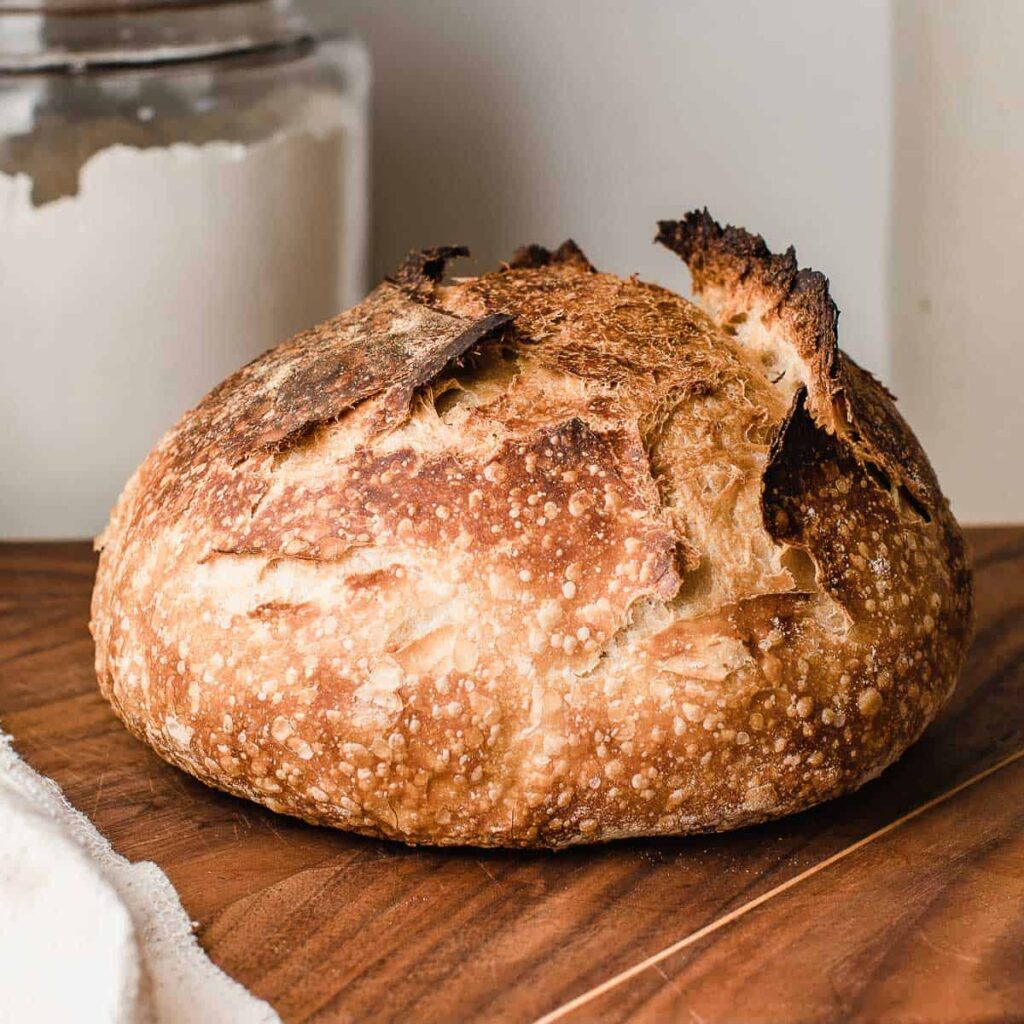
Sourdough bread is made using a natural yeast starter instead of commercial yeast. This process involves allowing the wild yeast present in the air to ferment the sugars in the dough, producing lactic acid and creating a unique flavor profile that’s both tangy and sweet. The resulting bread is not only delicious but also packed with nutrients and probiotics.
The History of Sourdough
Sourdough has been around for centuries, originating from ancient Egypt and Greece. In those days, people didn’t have access to commercial yeast, so they relied on natural yeast starters to leaven their bread. The process was time-consuming, but the end result was well worth it – delicious, crusty loaves that were both nourishing and flavorful.
Creating a Sourdough Starter
To make sourdough bread, you’ll need to create a healthy and active starter culture. This involves mixing equal parts of flour and water in a container, allowing the mixture to ferment for several days until it becomes bubbly and frothy. You can either create your own starter from scratch or obtain one from a friend.
Choosing the Right Flour
When it comes to making sourdough bread, the type of flour you use is crucial. Look for high-protein flours like bread flour or all-purpose flour with a high protein content. These types of flours will help create a strong gluten network, giving your bread its characteristic chew and texture.
Tips for Working with Sourdough
Here are some tips to keep in mind when working with sourdough:
- Keep your starter healthy and active by feeding it regularly.
- Use the right temperature – between 75°F and 80°F (24°C and 27°C) is ideal for fermentation.
- Avoid overmixing, as this can lead to a dense bread.
- Be patient – creating sourdough bread takes time, so don’t rush the process.
The Science Behind Sourdough
Sourdough bread is made possible by the interaction between wild yeast and lactic acid bacteria. The wild yeast in the air ferments the sugars in the dough, producing carbon dioxide gas bubbles that give the bread its light and airy texture. Meanwhile, the lactic acid bacteria contribute to the tangy flavor and chewy texture of the bread.
Creating a Sourdough Starter: A Step-by-Step Guide
Here’s a step-by-step guide to creating your own sourdough starter:
- Mix equal parts of flour and water in a container.
- Cover the container with a cloth and let it rest at room temperature for 24-48 hours.
- After 24-48 hours, discard half of the starter and add more flour and water as needed to maintain its healthiness.
- Repeat this process every 24 hours for the next 7-10 days, feeding your starter with fresh flour and water.
- Once your starter is bubbly and frothy, you can start using it in bread recipes.
Types of Flour Used in Sourdough Bread
When it comes to making sourdough bread, the type of flour used is crucial. Here are some common types of flour used in sourdough:
- Bread flour: High-protein flours like bread flour are ideal for creating a strong gluten network.
- All-purpose flour: All-purpose flour with a high protein content can also be used to make delicious sourdough bread.
- Whole wheat flour: Whole wheat flour is a popular choice for making sourdough bread, as it provides a nutty flavor and chewy texture.
Tips for Achieving the Perfect Crust
The crust of your sourdough bread is what sets it apart from other types of bread. Here are some tips for achieving the perfect crust:
- Use a hot oven – preheat your oven to 450°F (230°C) for a crispy crust.
- Score the bread – use a sharp knife or razor blade to score the bread, creating a decorative pattern on the surface.
- Brush with egg wash – brush the bread with an egg wash made from beaten eggs and water for added shine.
Common Mistakes to Avoid
When making sourdough bread, there are several common mistakes to avoid. Here are some of the most common mistakes:
- Overmixing – overmixing can lead to a dense bread.
- Underproofing – underproofing can result in a bread that’s too soft or soggy.
- Using old flour – using old flour can affect the flavor and texture of your bread.
Conclusion
Making sourdough bread is an art that requires patience, practice, and a willingness to learn. With this guide, you’ve got the basics covered – now it’s time to get started! Remember to keep your starter healthy and active, use the right flour, and avoid overmixing. Happy baking!
Frequently Asked Questions
- What is the difference between sourdough and commercial yeast?
Sourdough uses a natural yeast starter instead of commercial yeast. This process involves allowing wild yeast present in the air to ferment sugars in the dough. - How long does it take to create a sourdough starter?
It typically takes 7-10 days to feed and care for your starter, but this can vary depending on factors like temperature and flour quality. - Can I use any type of flour for sourdough bread?
Look for high-protein flours like bread flour or all-purpose flour with a high protein content. These types of flours will help create a strong gluten network giving your bread its characteristic chew and texture. - Why is my sourdough starter not bubbly and frothy?
Check that you’re feeding it regularly, using the right temperature, and avoiding overmixing. - Can I make sourdough at high altitudes?
Yes, but keep in mind that high altitudes can affect yeast activity. You may need to adjust your recipe accordingly.
By following these tips and techniques, you’ll be well on your way to creating delicious, crusty loaves of sourdough bread that will impress even the most discerning palates!


