
As we navigate the complexities of our planet’s energy landscape, it’s inspiring to see countries taking bold steps towards a sustainable future. In this article, we’ll explore the remarkable story of Brazil, a nation that has made significant strides in harnessing renewable energy and reducing its reliance on non-renewable sources.
A Renewable Energy Paradise
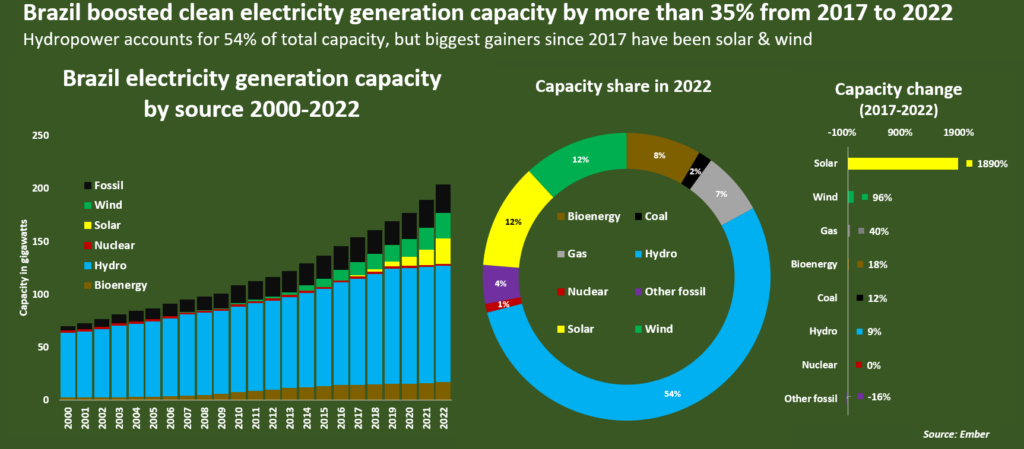
The Brazilian energy sector is dominated by renewables, with an impressive 88% of electricity coming from clean sources like wind, biomass, and hydroelectric power. What’s even more remarkable is that only 7% of Brazil’s renewable energy is imported, while the remaining 81% is produced domestically.
Brazil’s commitment to sustainability has led to a transformation in its energy landscape, making it one of the leaders in renewable energy production globally. The country’s strategic location on the equator and favorable climate make it an ideal place for harnessing solar and wind power.
A National Ambition
Brazil’s commitment to sustainability is driven by a national vision to transform its cities, particularly Rio de Janeiro, through innovative urban planning and development initiatives. The “Favela Upgrade” program aims to revitalize these communities by integrating efficient energy systems, green infrastructure, and sustainable practices into their daily lives.
This ambitious project seeks to improve the quality of life for over 1 million residents in Rio’s favelas (shantytowns), while also reducing greenhouse gas emissions and promoting economic growth. By leveraging renewable energy sources and implementing green technologies, Brazil is poised to create a more livable and sustainable urban environment.
A Shift Away from Non-Renewable Energy
Brazil’s energy mix is a stark contrast to that of many other countries. A mere 12% of the country’s energy comes from non-renewable sources like natural gas, nuclear power, and fossil fuels. This shift is attributed to data from the National Energy Balance, which projects that by 2011, Brazil had already made significant strides in reducing its reliance on these polluting energy sources.
Brazil’s decision to focus on renewable energy has been driven by a desire to reduce greenhouse gas emissions and mitigate the impacts of climate change. By harnessing clean energy sources, the country aims to lower its carbon footprint and create a more sustainable future for generations to come.
The Rise of Eolian Energy
In 2011, wind power accounted for an impressive 24.2% of Brazil’s electricity production. This upward trend is largely driven by the country’s desire to reduce greenhouse gas emissions and lower energy costs. Wind power, in particular, has proven to be a cost-effective alternative to fossil fuels, making it an attractive choice for Brazilian policymakers.
Brazil’s wind industry has experienced rapid growth over the past decade, with several major projects being developed across the country. The government has also implemented policies to support the development of renewable energy, including tax incentives and streamlined permitting processes.
A Biomass Revolution
Brazil’s enthusiasm for biomass energy is nothing short of astonishing. According to recent estimates, the sector accounts for an incredible 44.1% of Brazil’s electricity production, making it one of the largest contributors to the country’s renewable energy mix. The primary sources of biomass power are wood waste, sugarcane residues, and other organic materials.
Brazil’s commitment to biomass has been driven by a desire to reduce greenhouse gas emissions from agriculture and forestry sectors. By harnessing biomass energy, the country aims to create a more sustainable agricultural sector that produces less emissions while promoting economic growth.
A Brighter Economic Future
By harnessing renewable energy, Brazil has not only reduced its environmental footprint but also created new economic opportunities. According to recent data, the country has saved an estimated 272.3 million tons of oil, while simultaneously boosting its GDP by 2.7%. This remarkable outcome is a testament to the power of sustainable development.
Brazil’s transition to renewable energy has also led to significant job creation and investment in the sector. The country has become a hub for renewable energy companies, with several major players operating across the globe.
Conclusion
Brazil’s commitment to renewable energy is a shining example of what can be achieved through collective action and visionary leadership. As we continue on our journey towards a more sustainable future, it’s essential that we learn from Brazil’s success stories and build upon them.
By adopting innovative solutions like wind power, biomass energy, and urban planning initiatives, countries around the world can reduce their reliance on non-renewable sources of energy and create a more sustainable future for generations to come. As we move forward in our quest for sustainability, let us draw inspiration from Brazil’s remarkable story and work towards a brighter, more renewable energy-dependent future.
Frequently Asked Questions
Q: What percentage of Brazil’s electricity comes from renewable sources?
A: An impressive 88% of Brazil’s electricity is produced from clean energy sources like wind, biomass, and hydroelectric power.
Q: How much of Brazil’s renewable energy is imported?
A: Only 7% of Brazil’s renewable energy is imported, while the remaining 81% is produced domestically.
Q: What has driven Brazil’s shift towards renewable energy?
A: Brazil’s commitment to sustainability is primarily driven by a desire to reduce greenhouse gas emissions and lower energy costs.
Q: Which sector accounts for the largest share of Brazil’s electricity production from biomass?
A: Biomass power accounts for an incredible 44.1% of Brazil’s electricity production.
Q: What economic benefits has Brazil realized through its transition to renewable energy?
A: By harnessing renewable energy, Brazil has saved an estimated 272.3 million tons of oil and boosted its GDP by 2.7%.
Q: How does Brazil’s commitment to sustainability compare to other countries?
A: Brazil’s vision for a sustainable future is inspiring, but there is still much work to be done in terms of reducing global greenhouse gas emissions.
Q: What can we learn from Brazil’s experience with renewable energy?
A: We can learn that collective action and visionary leadership are key to achieving significant reductions in greenhouse gas emissions and promoting sustainable development.
Q: How can individuals contribute to Brazil’s transition to a more sustainable future?
A: Individuals can support sustainable development by making conscious choices about their energy consumption, investing in renewable energy solutions, and advocating for environmental policies that promote sustainability.


