
Are you considering bringing a Boykin Spaniel into your family? Look no further! This article will delve into the world of this charming breed, covering its origins, physical characteristics, temperament, diet, care, and price.
Origins of the Boykin Spaniel
The Boykin Spaniel’s origins are shrouded in mystery, but it is believed to have originated in the United States, specifically in South Carolina, during the early 20th century. The breed was likely created by crossing various hunting breeds, including the Cocker Spaniel, Springer Spaniel, and American Water Spaniel.
The Boykin Spaniel’s name is derived from its creator, John L. Boykin, a hunter and breeder who lived in South Carolina during the early 20th century. Boykin was known for his expertise in hunting waterfowl and other game birds, and he developed the breed to excel in these activities.
Physical Characteristics of the Boykin Spaniel
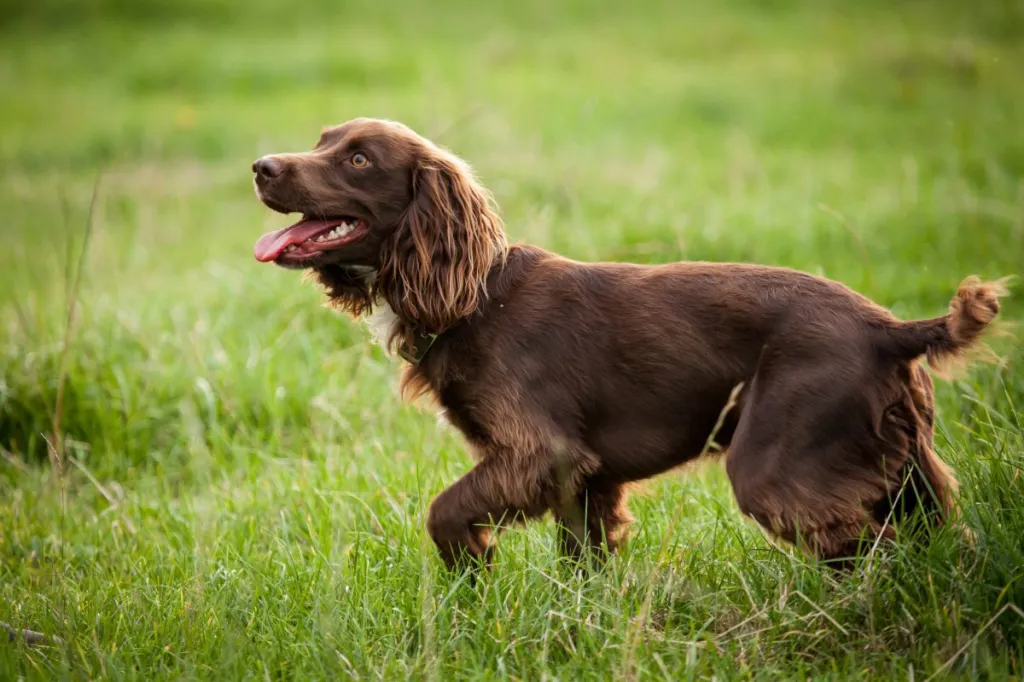
The Boykin Spaniel is a medium-sized dog with an athletic and muscular build. Its head is broad and rounded, with long ears and dark eyes. The nose is short and strong, while the body is compact, with a wide torso and a short, thick coat.
One of the most distinctive features of the Boykin Spaniel is its feathering on the legs and tail. This unique characteristic sets it apart from other breeds and gives it a beautiful, elegant appearance.
Characteristics of the Boykin Spaniel
The Boykin Spaniel is known for its intelligence, affectionateness, and energy level. It thrives on attention and can become destructive if left alone for extended periods. The breed is highly loyal and devoted to its owners.
One of the most notable features of the Boykin Spaniel is its excellent swimming ability. It’s a natural-born swimmer and loves spending time in the water. In fact, the breed was originally developed to hunt waterfowl, and it still excels at this activity today.
Common Health Issues
While the Boykin Spaniel is generally a healthy breed, it can be prone to certain health issues, such as hip dysplasia and cataracts. Hip dysplasia is a genetic condition that affects the hip joint, causing arthritis and pain. Cataracts are a type of eye disease that can cause vision loss if left untreated.
Other potential health issues include ear infections, allergies, and obesity. Regular veterinary check-ups and a healthy diet can help prevent or manage these conditions.
Growth and Development
The Boykin Spaniel is a medium-sized breed, with males typically weighing between 20-25 kg (44-55 pounds) and females weighing between 16-22 kg (35-49 pounds). They reach their full height at around 12-18 months of age, depending on the individual dog.
Socialization and Training
The Boykin Spaniel is highly intelligent and trainable, making it an excellent breed for first-time owners. However, socialization is crucial to ensure that the dog grows into a confident and well-adjusted adult.
Early socialization involves exposing the puppy to new people, dogs, sights, sounds, and experiences. Positive reinforcement training techniques can help develop good behavior and prevent unwanted habits.
Grooming and Maintenance
The Boykin Spaniel has a short, thick coat that requires regular grooming to prevent matting and tangling. A weekly brushing session can help keep the coat healthy and looking its best.
Bathing is also necessary, but over-bathing can strip the coat of its natural oils. Aim for a bath every 4-6 weeks, depending on the dog’s activity level and environment.
Diet and Nutrition
A balanced and nutritious diet is essential for the Boykin Spaniel. The breed requires high-quality protein sources, such as chicken or fish, as well as complex carbohydrates like rice and vegetables.
Omega-3 and omega-6 fatty acids are also crucial for maintaining healthy skin and a strong immune system. Consult with your veterinarian to determine the best diet for your individual dog.
Buying a Boykin Spaniel
To ensure the health and well-being of your Boykin Spaniel, it’s crucial to choose a reputable breeder who prioritizes genetic testing and socialization.
When buying a puppy, consider the following factors:
- Health clearances: Ensure that the parents have undergone necessary health tests for hip dysplasia, eye problems, and other breed-specific conditions.
- Temperament: Look for puppies with a calm and even temperament, which will make them easier to handle as adult dogs.
- Pedigree: Research the puppy’s pedigree to ensure it comes from reputable breeding stock.
Rapporto con Bambini e Anziani
The Boykin Spaniel is generally an excellent breed for families with children and elderly individuals. However, it’s essential to socialize the dog properly to ensure that both children and seniors can interact safely and effectively.
When introducing your Boykin Spaniel to young children, teach them how to handle dogs gently and respectfully. Supervise interactions closely to prevent over-exuberance or rough play.
For elderly individuals, consider adopting an older dog that has already reached maturity. This will help prevent stress and minimize the risk of injury.
Price
The price of a Boykin Spaniel can vary depending on factors such as the breeder, lineage, and sex. On average, the cost of a puppy can range from $1,500 to $3,000.
Other costs associated with owning a Boykin Spaniel include:
- Vaccinations: $50-$100 per year
- Spaying/neutering: $200-$500 one-time payment
- Food and treats: $500-$1000 per year
Frequently Asked Questions
Q: What is the origin of the Boykin Spaniel?
A: The Boykin Spaniel’s origins are shrouded in mystery, but it is believed to have originated in South Carolina during the early 20th century by crossing various hunting breeds.
Q: How much does a Boykin Spaniel weigh?
A: On average, a Boykin Spaniel weighs between 16-20 kg (35-44 pounds).
Q: What are some common health issues associated with the Boykin Spaniel?
A: The breed can be prone to hip dysplasia and cataracts.
Q: How much does it cost to adopt a Boykin Spaniel?
A: The price of a puppy can range from $1,500 to $3,000.
Q: Can I have multiple Boykin Spaniels as pets?
A: While it’s possible to have multiple Boykin Spaniels, it’s essential to ensure that each dog has its own separate space and socialization to avoid conflicts.
Q: How often should I bathe my Boykin Spaniel?
A: The breed requires regular grooming, but over-bathing can strip the coat of its natural oils. Aim for a bath every 4-6 weeks, depending on the dog’s activity level and environment.
Q: Can I leave my Boykin Spaniel alone for extended periods?
A: While it’s possible to leave your Boykin Spaniel alone, it’s essential to provide regular exercise and mental stimulation to prevent boredom and destructive behavior.
Q: Are Boykin Spaniels suitable for families with small children?
A: The breed can be an excellent choice for families with small children, but it’s crucial to socialize the dog properly and teach children how to interact safely with dogs.


