
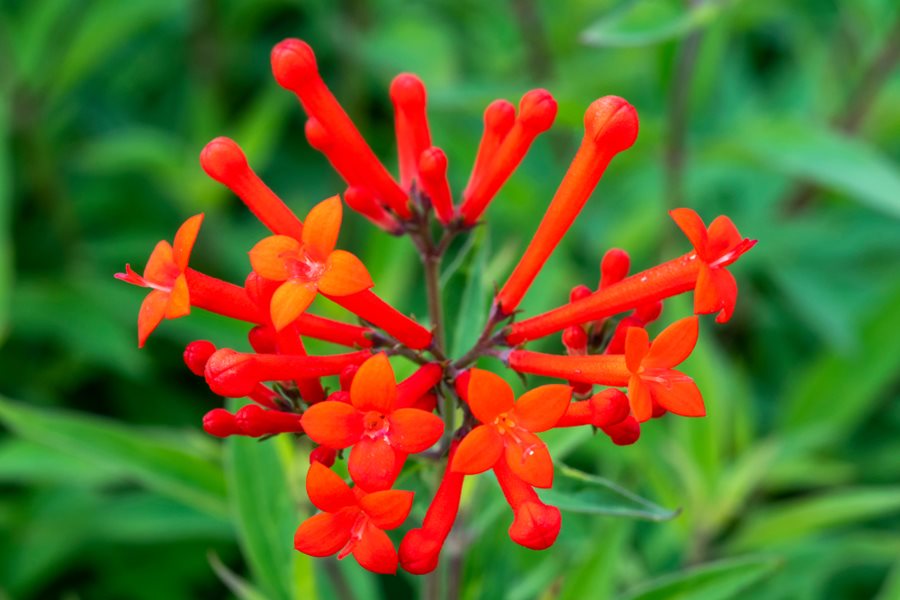
As the name suggests, the Bouvardia is a type of plant that belongs to the Rubiaceae family. These plants are known for their attractive flowers, which not only add visual appeal but also emit a strong and pleasant fragrance. Native to Mexico and parts of South America, this evergreen shrub produces small, fragrant flowers in various colors, including white, pink, and red.
Understanding Bouvardia: A Brief History
The name “Bouvardia” is attributed to Charles Bouvard, the 17th-century physician and supervisor of the Jardin Royal in Paris. Today, there are over 50 species of Bouvardia, each with its unique characteristics. Among these, some varieties have gained popularity due to their prolonged blooming period, vibrant colors, and intoxicating fragrance.
Growing Bouvardia: A Guide for Beginners
To grow Bouvardia successfully, it’s crucial to consider the plant’s native climate preferences. In temperate climates like ours, Bouvardia thrives best in well-ventilated areas with partial shade. During spring and summer, maintain temperatures between 15°C and 24°C. In winter, ensure the plant receives direct sunlight, but avoid exposing it to frost below 13°C.
Soil and Water Requirements
Bouvardia’s soil requirements are quite specific: the ideal mix should have a high water-holding capacity. To achieve this, add a generous amount of sand or gravel to your potting mix. Regular watering is essential, especially during hot summer months. Avoid overwatering, as this can lead to root rot and other issues.
Propagation Methods
Bouvardia can be propagated using three main methods: division, sowing seeds, or taking cuttings (called “tailage”). When using the tailage method, take a 10-centimeter cutting in spring, just below a node. Dip the cut end in rooting powder and place it in a mixture of peat moss and perlite.
Cultivating Bouvardia: Tips and Tricks
To maintain your Bouvardia’s health, keep an eye out for common issues like overwatering, which can cause leaves to drop or turn brown. Regularly inspect the roots for any signs of decay. If you notice pests like aphids or spider mites, use organic pest control methods to keep them at bay.
Bouvardia Varieties: A Selection of Popular Species
- Bouvardia Domestica: One of the most commonly grown varieties, known for its long-blooming period and white or pink flowers.
- Bouvardia Longiflora: Features striking white flowers arranged in clusters on slender stems covered with glossy green leaves.
- Bouvardia Ternifolia: Native to Mexico, this species boasts unique, hairy leaves and red flowers that cluster at the end of branches.
Bouvardia: More Than Just a Pretty Face
Beyond its aesthetic appeal, Bouvardia has been used in traditional medicine for centuries. The plant’s extract can be used to treat diabetes, and some researchers have discovered potential antidotes against venom from various insects. Additionally, Bouvardia’s essential oils have antimicrobial properties, making them useful in the production of natural cosmetics.
Bouvardia and its Applications
Bouvardia has been utilized in various industries due to its unique characteristics:
- Perfumery: The plant’s fragrance is used in perfumes, fragrances, and scented candles.
- Cosmetics: Bouvardia extracts are incorporated into skincare products for their antioxidant properties.
- Medicine: As mentioned earlier, the plant’s extract can be used to treat diabetes and other conditions.
Bouvardia: A Low-Maintenance Alternative
One of the most appealing aspects of growing Bouvardia is its low-maintenance requirements. This evergreen shrub can thrive in a variety of environments, making it an ideal choice for busy gardeners or those new to plant care.
Common Issues with Bouvardia
While Bouvardia is relatively easy to care for, there are some common issues that may arise:
- Overwatering: Avoid watering your Bouvardia too frequently, as this can lead to root rot and other problems.
- Pests: Regularly inspect your plant for signs of pests like aphids or spider mites. Use organic pest control methods to address any issues.
- Fungal diseases: Inspect the roots regularly for signs of fungal growth.
Conclusion
In conclusion, Bouvardia is an extraordinary herb that offers numerous benefits beyond its beauty. By understanding the plant’s specific requirements and growth habits, you can successfully cultivate this enchanting shrub in your garden or home. With proper care and attention, Bouvardia can thrive for years to come, providing a fragrant addition to any space.
Additional Tips
- Pruning: Prune your Bouvardia regularly to maintain its shape and encourage new growth.
- Fertilization: Fertilize your plant during the growing season to promote healthy growth.
- Repotting: Repot your Bouvardia every 2-3 years to provide fresh soil and a larger pot if necessary.


