
Introduction
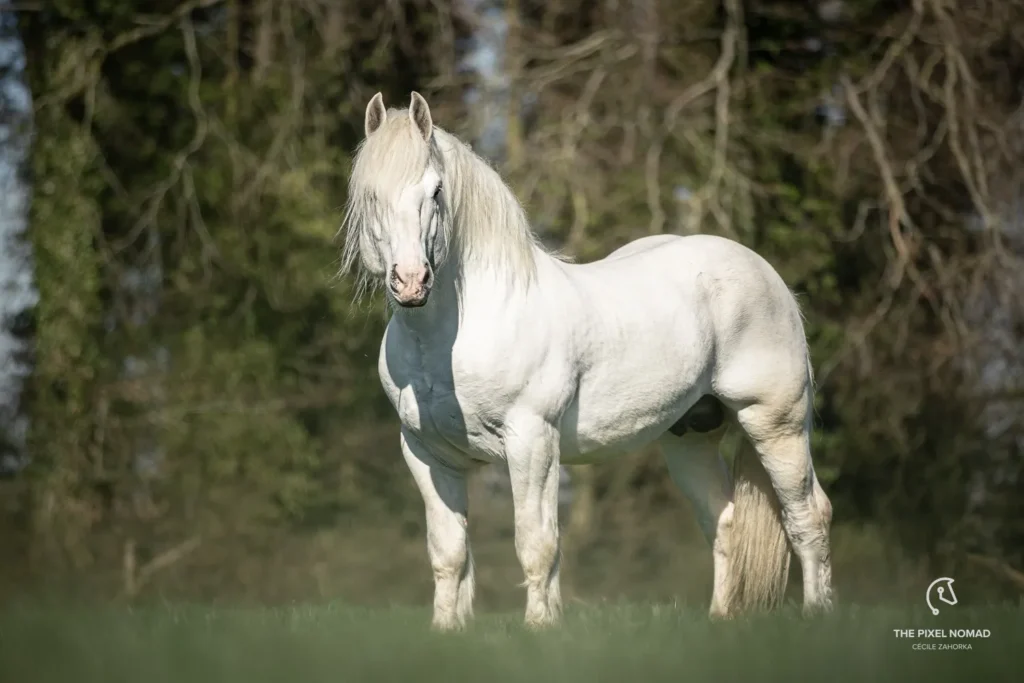
In the world of horse breeds, few are as impressive as the Boulonnais horse. Nicknamed “the white marble colossus,” this majestic creature is known for its imposing stature, gentle nature, and exceptional strength. Hailing from northern France, specifically the region of Boulogne-sur-Mer, the Boulonnais has a rich history that spans centuries, with its origins dating back to the Roman era. In this article, we will delve into the fascinating world of the Boulonnais horse, exploring its origins, characteristics, and uses.
The Origins of the Boulonnais Horse
With bloodline from the Orient, the Boulonnais horse has an official origin in northern France. It is believed that these horses were introduced to France by the Romans, who brought with them their horse breed from North Africa. Over time, the Boulonnais was crossed with other breeds, such as the Andalusian and Mecklemburg, to create a robust and powerful horse. Its purpose was not only for transportation but also for warfare, making it an invaluable asset on the battlefield.
The introduction of Arab horses in France led to significant changes in the Boulonnais breed. These Arab horses were prized for their strength, intelligence, and agility, which made them ideal for the warlike needs of the time. By incorporating these horses into the existing stock, the Boulonnais was able to combine its robust build with the agility and endurance of the Arab.
The Two Variants of the Boulonnais Horse
During World War II, the two variants of the Boulonnais emerged: the larger, more powerful Boulonnais, and the smaller, lighter one. The former was used primarily as a warhorse, while the latter served as a transport horse for fishermen and merchants. One remarkable fact about the Boulonnais is its ability to cover over 200 kilometers without stopping, making it an exceptional mode of transportation.
The larger variant was better suited for heavy cavalry work and was often employed in armored vehicles during World War II. The smaller version, on the other hand, was more suitable for less physically demanding tasks such as carrying supplies or providing transportation for civilians.
The Characteristics of the Boulonnais Horse
The Boulonnais horse boasts impressive physical attributes, including:
- Height: ranging from 155 to 170 cm at the withers
- Weight: between 600 and 900 kg (6-9 quintals)
- Coat: typically gray, but can be white or other colors due to selective breeding
- Head shape: small and square, with a straight profile and an arched nose
- Ears: small and pointed
- Eyes: large and expressive
- Neck: sturdy and slightly curved
- Body structure: muscular, with broad shoulders and well-defined ribs
The Boulonnais horse also possesses exceptional strength, making it well-suited for various tasks such as carrying heavy loads or working in challenging environments.
The Temperament of the Boulonnais Horse
Known for its calm and gentle nature, the Boulonnais horse is described as an exceptional companion animal. Despite its strength and robust build, it possesses a rich inner life, characterized by generosity, intelligence, and high energy levels.
Their intelligence and willingness to please make them excellent choices for riders of all skill levels. The Boulonnais horse also has a strong work ethic and is known to be highly motivated, making it well-suited for demanding tasks.
Uses and Training Methods
Traditionally used for agricultural work in rural areas, the Boulonnais horse has also been employed in various equestrian disciplines, such as:
- Tackling physically demanding tasks
- Participating in driving competitions
- Providing companionship to riders
The Boulonnais horse is well-suited for a variety of roles due to its exceptional strength and gentle nature. This makes it an excellent choice for both experienced riders and beginners looking for a reliable companion.
Breeding and Alimentation Practices
Breeders aim to sell their young horses at 6 or 8 months old, when they are already suitable for various uses. The majority of Boulonnais farms are located in the northern regions of France, where vast pastures offer an optimal environment for grazing.
Proper care and attention from breeders is essential to ensure the health and well-being of these magnificent horses. This includes providing them with nutritious food and adequate space to roam, as well as regular veterinary check-ups and vaccinations.
Conclusion
The majestic Boulonnais horse is a symbol of French horsemanship and a testament to the country’s rich equestrian history. Its strength, beauty, and gentle nature make it a sought-after breed among horse enthusiasts and professionals alike.
Through its impressive physical attributes, calm temperament, and exceptional strength, the Boulonnais horse has proven itself to be an invaluable asset in various contexts. Whether used for transportation, agricultural work, or equestrian competitions, this magnificent breed is sure to leave a lasting impression on all who have the privilege of encountering it.
By exploring the origins, characteristics, and uses of the Boulonnais horse, we can gain a deeper understanding of this incredible breed and its place in history. Whether you are a seasoned equine enthusiast or just beginning your journey into the world of horses, the majesty and beauty of the Boulonnais is sure to captivate and inspire.


