
Botulism is a serious form of poisoning caused by the ingestion of a toxin produced by a bacterium, Clostridium botulinum. The same toxin is also isolated and used in cosmetic products, known as botulinic acid. In this article, we will explore the risks associated with homemade canned goods and how to prevent botulism.
Understanding Botulism
Botulism is a rare but serious condition that can cause a range of symptoms including difficulty swallowing, speech problems, muscle weakness, drooping eyelids, and respiratory failure. The bacteria that produce the toxin are commonly found in soil and can contaminate food if not handled properly. Once ingested, the toxin can enter the bloodstream and affect the nervous system.
The Risks of Homemade Canned Goods
Homemade canned goods can be contaminated with the bacterium Clostridium botulinum, leading to a condition known as botulism. To reduce the risk of botulism when preparing homemade canned goods, it is essential to follow some guidelines. The Italian Institute for Health (Istituto Superiore di Sanità) has published guidelines for the correct preparation of homemade canned goods.
Preventing Botulism
By following these guidelines, you can implement a form of prevention that reduces the risk of botulism associated with producing homemade canned goods. By adhering to these guidelines, you can minimize the risks associated with making homemade canned goods.
Botulism and Homemade Canned Goods: What You Need to Know
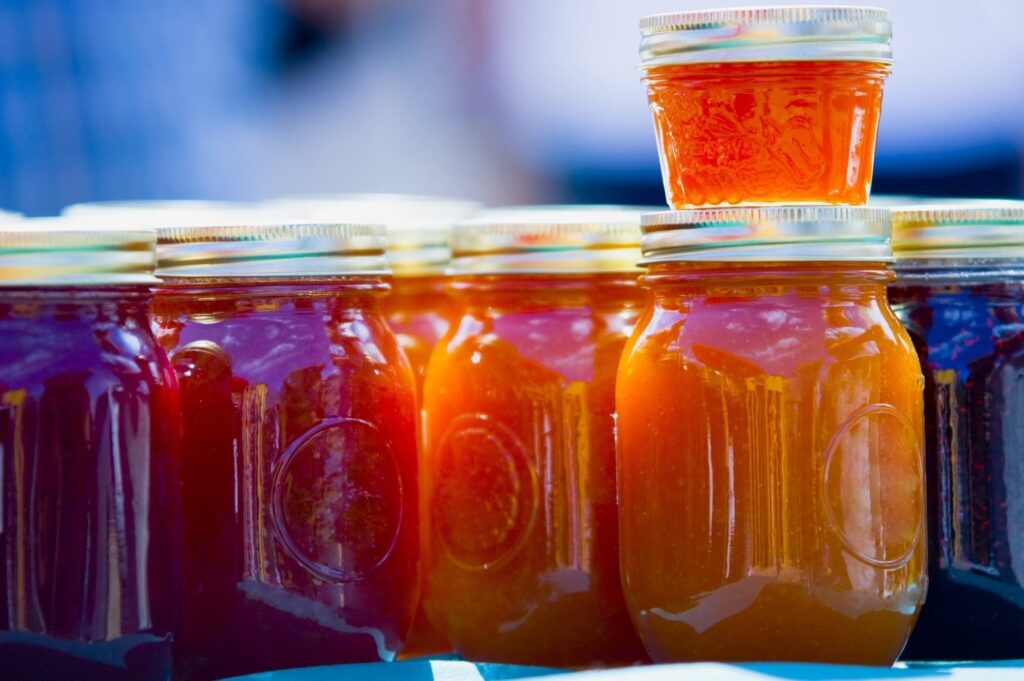
Homemade canned goods include preparations such as jams, jellies, pickles, and sauerkraut, which are packaged in airtight containers that undergo treatments to ensure long-term preservation at room temperature. Here are the rules to follow to avoid risks:
Igiene Person and Workspace
Good personal hygiene practices and workspace cleanliness are essential to prevent contamination. The first source of contamination is indeed these two factors. It may seem trivial, but the risk of botulism increases because you don’t wash your hands before starting the preparation process!
When should you wash your hands?
• Before preparing
• Every time you change the type of preparation
• Whenever your hands appear visibly dirty
• After using the bathroom
• After coughing or sneezing
• After smoking
• After touching raw foods, animals, or waste
Sterilization of Jars
When preparing homemade canned goods, glass is the best material to use. While metal containers can also be used, they should be thoroughly washed and sterilized.
To prepare jars for optimal performance, follow our guide: How to Sterilize Glass Jars.
Ingredient Selection
The selection of ingredients is crucial, as botulism is often linked to poor-quality ingredients. To avoid the risk, choose fresh vegetables from your garden or a reputable supplier. If you use fresh vegetables, prepare them within 6-12 hours of harvesting to minimize the risk of contamination.
For pickled vegetables, use white wine vinegar. For sauerkraut, use high-quality vinegar. For olive oil-based products, use pure and unfiltered olive oil.
Preventing Botulism: Key Takeaways
To avoid the risks associated with homemade canned goods, follow these guidelines:
• Maintain good personal hygiene practices
• Sterilize your workspace and equipment
• Choose fresh ingredients of high quality
• Prepare food within a short timeframe to minimize the risk of contamination
By following these guidelines, you can significantly reduce the risk of botulism when preparing homemade canned goods.
Botulism Prevention FAQs
Here are some frequently asked questions related to botulism prevention:
Q1: Can I still get botulism if I use clean equipment and ingredients?
A1: Yes, contamination can occur even with proper cleaning and equipment. Always maintain good hygiene practices and follow the guidelines outlined in this article.
Q2: How often should I sterilize my jars and equipment?
A2: Sterilize your equipment regularly to prevent cross-contamination. It’s recommended to sterilize every 3-6 months, depending on usage.
Q3: Can I use a microwave to sterilize jars?
A3: No, microwaving is not an effective method for sterilizing jars. Always use boiling water or follow the guidelines outlined in our sterilization guide.
Q4: What are some common signs and symptoms of botulism?
A4: Common signs and symptoms include difficulty swallowing, speech problems, and muscle weakness.
Q5: Can I get botulism if I consume contaminated canned goods within a short period after opening?
A5: Yes, consuming contaminated canned goods within a short period can increase the risk of botulism. Always store opened cans in the refrigerator at 40°F (4°C) or below and use them within a few days.
Q6: Can I still get botulism if I use vinegar to preserve my food?
A6: While vinegar is generally safe, improper preparation and storage can lead to contamination. Always follow proper preservation techniques and store your products in the refrigerator at 40°F (4°C) or below.
Q7: How can I prevent cross-contamination during the canning process?
A7: To minimize cross-contamination, always wash and sanitize your equipment, jars, and utensils before use.
Preventing Cross-Contamination in Your Kitchen
Cross-contamination is a major risk factor when preparing homemade canned goods. To prevent cross-contamination, follow these guidelines:
- Wash your hands thoroughly with soap and water after handling raw foods or animals.
- Clean and sanitize all equipment, jars, and utensils before use.
- Use separate cutting boards for different types of food to prevent cross-contamination.
- Store raw meat, poultry, and fish in sealed containers at the bottom of the refrigerator to prevent juices from dripping onto other foods.
Storing Opened Cans
When opening cans, it’s essential to store them properly to prevent contamination. Here are some tips:
- Store opened cans in the refrigerator at 40°F (4°C) or below.
- Use a clean can opener and wash your hands after handling the can.
- Discard any liquid from the can before storing it.
- Keep opened cans away from children and pets to prevent accidental consumption.
Conclusion
In conclusion, botulism is a serious risk associated with homemade canned goods. By following these guidelines, you can significantly reduce the risk of botulism when preparing homemade canned goods. Remember to maintain good personal hygiene practices, sterilize your workspace and equipment, choose fresh ingredients of high quality, and prepare food within a short timeframe to minimize the risk of contamination.
By understanding the risks associated with homemade canned goods and taking steps to prevent cross-contamination, you can enjoy making homemade canned goods while minimizing the risk of botulism. Always follow proper preservation techniques and store your products in the refrigerator at 40°F (4°C) or below to ensure food safety.
Additional Tips for Safe Canning
Here are some additional tips for safe canning:
- Use a pressure canner if you’re unsure about the acidity level of your ingredients.
- Follow tested recipes from reputable sources, such as the USDA’s Complete Guide to Home Canning.
- Always follow the recommended processing times and temperatures to ensure that your food is properly sterilized.
- Store canned goods in a cool, dry place, away from direct sunlight.
By following these guidelines and tips, you can enjoy making homemade canned goods while minimizing the risk of botulism.


