
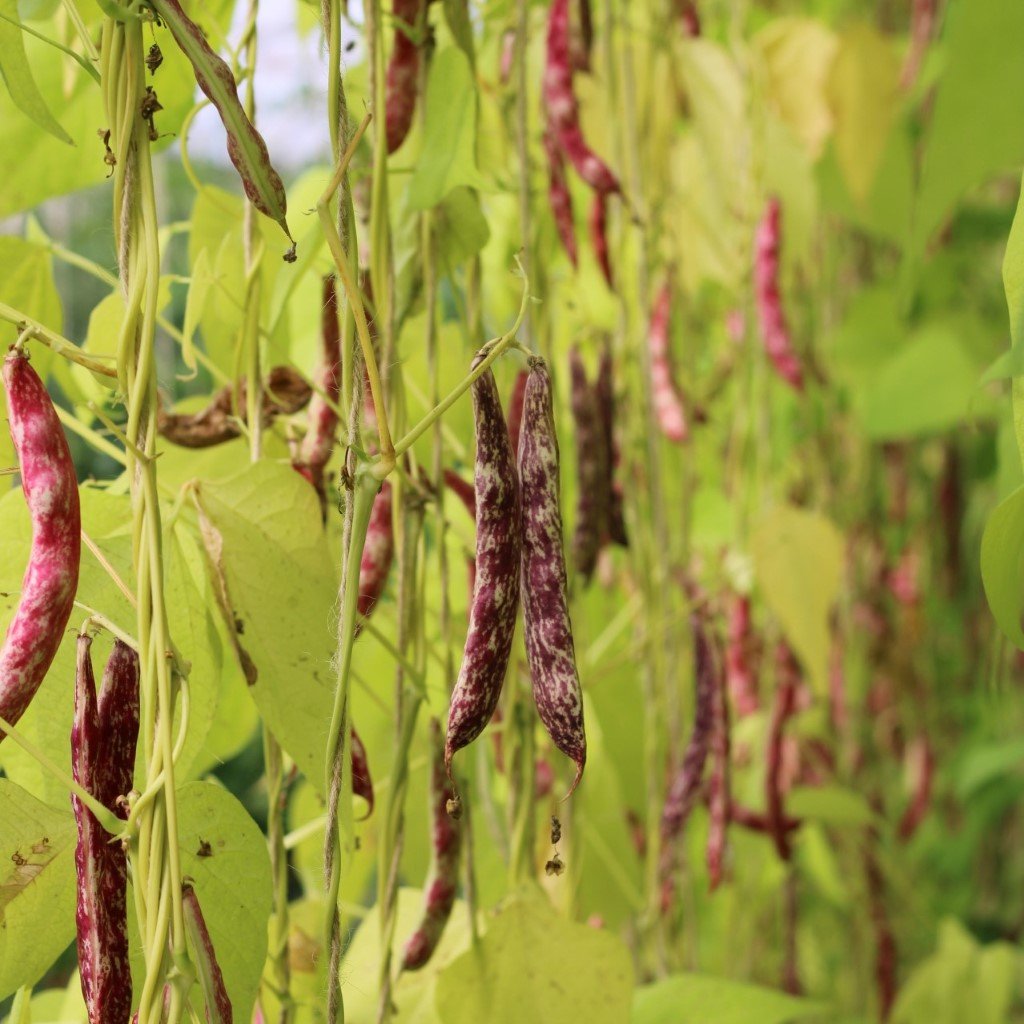
Borlotti beans, also known as Italian flat beans, are a popular variety of beans that are easy to grow and can be used in a wide range of delicious dishes. In this comprehensive guide, we’ll delve into the world of borlotti beans, covering everything from their cultivation and varieties to cooking techniques and recipes.
What is Borlotti Beans?
Borlotti beans are a type of legume that belongs to the kidney bean family. They are characterized by their distinctive white and red striped pods, which contain 8-10 beans each. The beans themselves are flat and creamy in texture, with a mild, nutty flavor.
History of Borlotti Beans
Borlotti beans have been cultivated for centuries in Italy, where they were highly valued for their nutritional properties and versatility in cooking. They were introduced to the United States by Italian immigrants in the late 19th century and have since become a staple ingredient in many Italian-American households.
Cultivation and Varieties
Borlotti beans are a cool-season crop that thrive in temperate climates. They can be grown as an annual crop, either directly sown into the ground or started indoors 4-6 weeks before the last frost date. There are several varieties of borlotti beans to choose from, including:
- Fagiolo Borlotto Nano: A compact variety that grows up to 35-40 cm in height and is ideal for small gardens.
- Fagioli Rampicanti: A climbing variety that can grow up to 2 meters tall and produces pods that are perfect for stuffing or using in salads.
- Fagiolo Borlotto Rossa: A red-striped variety that is popular among Italian gardeners.
Growing Tips
Before planting borlotti beans, it’s essential to choose a suitable location with full sun and well-draining soil. Borlotti beans prefer a slightly acidic to neutral soil pH (5.5-7.5) and a medium to light texture. Here are some additional growing tips:
- Plant the seeds 2-4 cm deep and 15-20 cm apart in rows that are 30-40 cm apart.
- Water regularly, but avoid overwatering, which can lead to root rot.
- Fertilize with a balanced fertilizer once a month to promote healthy growth.
Soil Requirements
Borlotti beans require well-draining soil with a pH between 5.5 and 7.5. They prefer a slightly acidic to neutral soil pH, which is essential for optimal growth and development. Here are some additional soil requirements:
- Soil Type: Borlotti beans can grow in a variety of soil types, including clay, loam, and sand.
- Soil Texture: The ideal soil texture for borlotti beans is medium to light, with a mix of sand and silt.
- Organic Matter: Adding organic matter such as compost or manure can help improve the soil structure and fertility.
How to Cook Borlotti Beans
Borlotti beans are incredibly versatile and can be used in a wide range of dishes, from pasta and soups to salads and side dishes. Here are some tips for cooking borlotti beans:
- Boiling: Boil the beans until they’re tender, then drain and rinse with cold water.
- Stewing: Cook the beans with vegetables and herbs for a hearty stew.
- Pasta e Fagioli: Use fresh borlotti beans in place of dried beans to make this classic Italian pasta dish.
Pasta e Fagioli Recipe
Here’s a simple recipe for pasta e fagioli that uses fresh borlotti beans:
Ingredients:
- 250g pasta (such as spaghetti or rigatoni)
- 500g borlotti beans, rinsed and drained
- 1 onion, chopped
- 2 cloves garlic, minced
- 1 carrot, chopped
- 1 celery stalk, chopped
- 1 can diced tomatoes
- 1 cup vegetable broth
- Salt and pepper to taste
- Grated Parmesan cheese (optional)
Instructions:
- Cook the pasta according to package instructions.
- In a large pot, sauté the onion, garlic, carrot, and celery in olive oil until tender.
- Add the borlotti beans, diced tomatoes, and vegetable broth to the pot.
- Simmer the mixture for 20-30 minutes or until the beans are tender.
- Season with salt and pepper to taste.
- Serve the pasta e fagioli hot, topped with grated Parmesan cheese if desired.
Frequently Asked Questions
Here are some common questions about borlotti beans, answered:
Q: What is the best way to store borlotti beans?
A: Store borlotti beans in an airtight container in the refrigerator for up to 5 days or freeze them for up to 6 months.
Q: Can I grow borlotti beans in my greenhouse?
A: Yes, but make sure the temperature and humidity are suitable for the beans to thrive.
Q: How do I cook fresh borlotti beans from scratch?
A: Simply boil or steam the beans until they’re tender, then drain and rinse with cold water.
Q: What is the best way to preserve borlotti beans for future meals?
A: Freeze or can the beans using a pressure canner to ensure food safety.
Q: Can I grow other types of beans in my garden?
A: Yes, but research specific growing requirements and space needs for each type of bean before planting.
Conclusion
Borlotti beans are a delicious and versatile ingredient that’s easy to grow and incorporate into your cooking repertoire. By following these tips and techniques, you’ll be enjoying fresh borlotti beans in no time! Whether you’re a seasoned gardener or just starting out, we hope this guide has been informative and helpful.
References
- “Borlotti Beans: A Guide to Growing and Cooking” by The Spruce Eats
- “How to Grow Borlotti Beans” by Gardeners.com



