
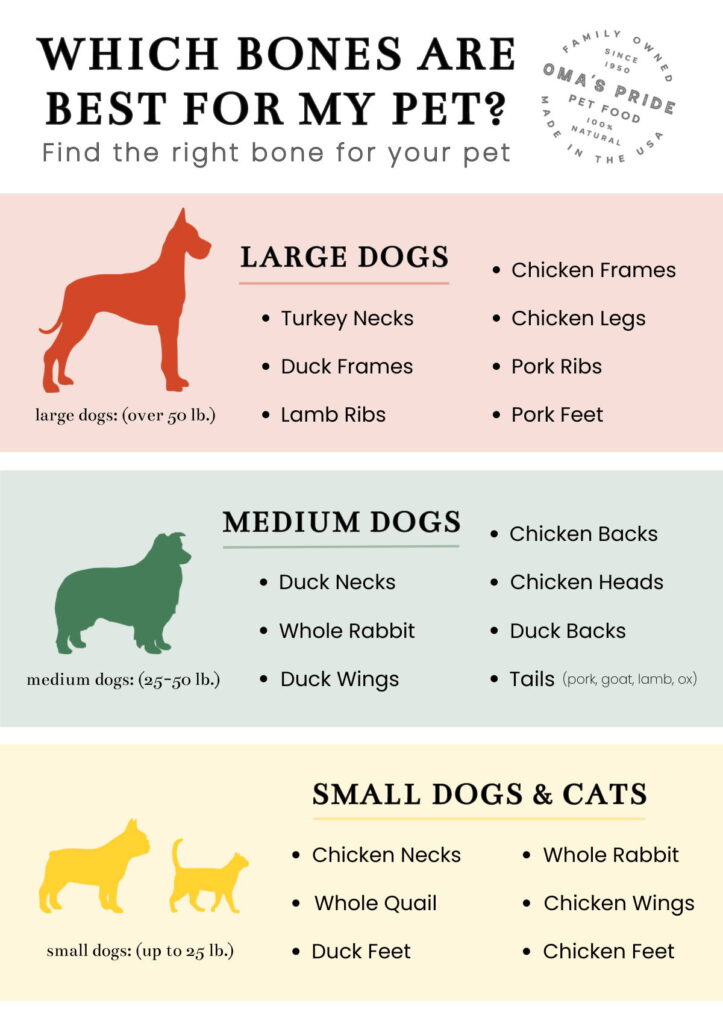
As a dog owner, you’ve probably found yourself wondering whether it’s safe to give your furry friend bones to chew on. The answer is not a simple yes or no, as there are many factors at play when it comes to choosing the right bones for your pet.
Understanding Dog Bones: Types and Safety Concerns
There are many types of dog bones available, including those made from meat, bone, and even artificial materials. However, not all dog bones are created equal. Some can be very harmful if ingested, while others are perfectly safe.
To choose the right bones for your pet, it’s essential to understand the different types and their safety concerns. For example, raw bones like marrow bones or knuckle bones can be beneficial for dental health, but they also carry a risk of splintering and causing harm if swallowed. On the other hand, cooked bones are generally not recommended as they can become brittle and shatter into sharp pieces.
What Makes Dog Bones Safe or Invasive?
When it comes to choosing dog bones, there are several factors to consider. Here are some key points to keep in mind:
- Raw vs. Cooked Bones: Raw bones can be beneficial for dental health, but they also carry a risk of splintering and causing harm if swallowed. Cooked bones, on the other hand, are generally not recommended as they can become brittle and shatter into sharp pieces.
- Size and Shape: Large or irregularly-shaped bones can pose a choking hazard, while small bones can be easily ingested and cause digestive problems.
- Material: Bones made from artificial materials may seem like an option, but they can still cause harm if swallowed.
Choosing the Right Dog Bones for Your Pet
When it comes to choosing dog bones, there are several options available. Here are some tips to help you make the right choice:
- Consult with Your Veterinarian: Your veterinarian can provide personalized advice on which bones are safe for your pet based on their age, size, and health status.
- Choose Raw Bones: Raw bones like marrow bones or knuckle bones can be beneficial for dental health, but they also carry a risk of splintering and causing harm if swallowed.
- Select Small Bones: Small bones are generally safer than large ones as they pose less of a choking hazard.
- Opt for Artificial Bones: If you’re concerned about the risks associated with raw or cooked bones, artificial bones may be a safer option.
Bones for Cuddly Pets
While bones can be beneficial for pets, there are some exceptions where they should be avoided:
- Cute Puppies: Puppies under six months old should not have bones as their teeth are still developing and the risk of splintering is higher.
- Older Dogs: Older dogs may need softer bones to avoid digestive problems.
Conclusion
Choosing the right dog bones for your pet requires careful consideration of several factors, including size, shape, material, and health status. By following the tips outlined above and consulting with your veterinarian, you can make an informed decision about which bones are safe for your furry friend.
Frequently Asked Questions (FAQs)
- Are Raw Bones Safe for My Pet?
- Raw bones can be beneficial for dental health but also carry a risk of splintering if swallowed.
- Can I Give My Dog Cooked Bones?
- No, cooked bones are generally not recommended as they can become brittle and shatter into sharp pieces.
- What Are the Benefits of Artificial Bones?
- Artificial bones may be safer than raw or cooked bones as they pose less risk of splintering or digestive problems.
Raw Bones: A Closer Look
Raw bones, such as marrow bones or knuckle bones, can be beneficial for dental health. They provide a natural way to clean and remove plaque from your dog’s teeth. However, there are some things to consider:
- Splintering: Raw bones carry a risk of splintering if swallowed, which can cause harm.
- Choking Hazard: Large or irregularly-shaped raw bones can pose a choking hazard.
Cooked Bones: A Cautionary Tale
Cooked bones are generally not recommended as they can become brittle and shatter into sharp pieces. This can cause serious harm to your dog if ingested. Additionally, cooked bones may be more likely to splinter than raw bones.
Artificial Bones: A Safer Option?
Artificial bones may seem like an option for pet owners who are concerned about the risks associated with raw or cooked bones. However, they should not be considered a completely safe alternative. Artificial bones can still cause harm if swallowed.
Tips for Choosing the Right Bones
- Choose Raw Bones: If you’re considering giving your dog raw bones, choose ones that are large enough to reduce the risk of splintering.
- Select Small Bones: Small bones are generally safer than large ones as they pose less of a choking hazard.
- Opt for Artificial Bones: If you’re concerned about the risks associated with raw or cooked bones, artificial bones may be a safer option.
Bones for Different Life Stages
Different life stages require different types of bones. Here’s what to consider:
- Puppies Under Six Months: Puppies under six months old should not have bones as their teeth are still developing and the risk of splintering is higher.
- Older Dogs: Older dogs may need softer bones to avoid digestive problems.
Conclusion
Choosing the right dog bones for your pet requires careful consideration of several factors, including size, shape, material, and health status. By following the tips outlined above and consulting with your veterinarian, you can make an informed decision about which bones are safe for your furry friend.
Frequently Asked Questions (FAQs)
- Are Raw Bones Safe for My Pet?
- Raw bones can be beneficial for dental health but also carry a risk of splintering if swallowed.
- Can I Give My Dog Cooked Bones?
- No, cooked bones are generally not recommended as they can become brittle and shatter into sharp pieces.
- What Are the Benefits of Artificial Bones?
- Artificial bones may be safer than raw or cooked bones as they pose less risk of splintering or digestive problems.


