
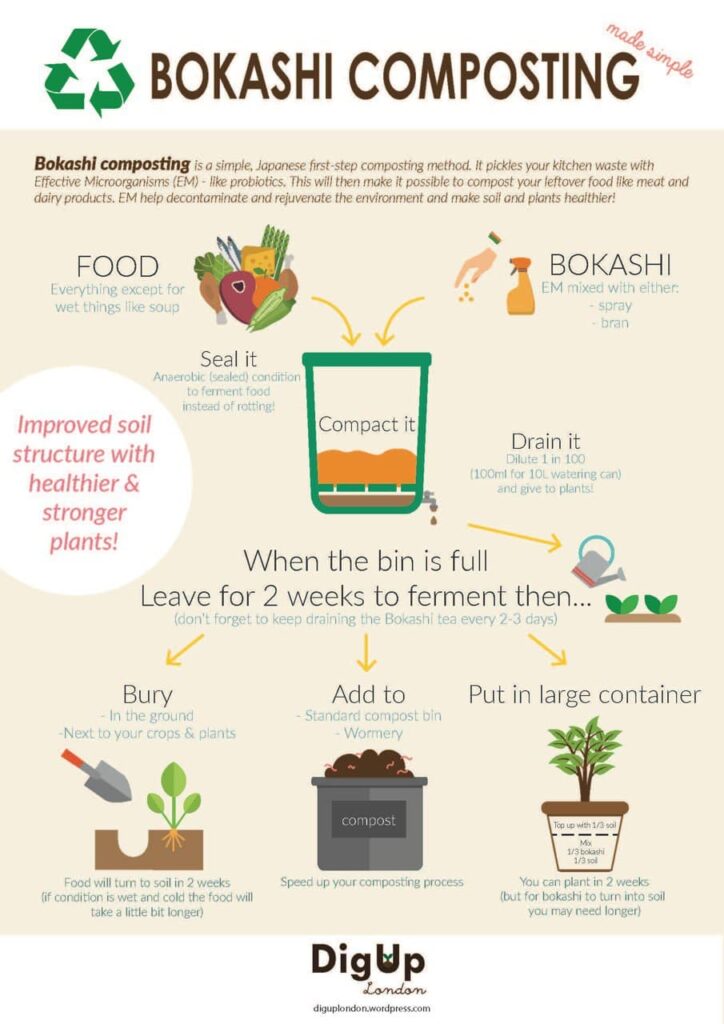
As we strive for a more sustainable future, creating our own compost has become an essential practice in maintaining a healthy and thriving organic garden. One method that stands out from the rest is bokashi, a type of compost originating from Japan that uses microorganisms to break down organic matter without relying on harsh chemicals. In this article, we’ll delve into the world of bokashi, exploring what it is, how to make it, and its benefits for our gardens.
What is Bokashi?
Bokashi is a Japanese term meaning “mixed organic” compost. This unique approach to composting has been around for centuries, with roots in traditional Asian farming practices. Despite its origins, bokashi is now used globally, with slight variations from region to region. At its core, bokashi is about creating a nutrient-rich soil that fosters healthy plant growth while minimizing environmental impact.
History of Bokashi
Bokashi has been practiced for centuries in Japan, dating back to the Edo period (1603-1868). During this time, farmers developed methods for composting animal manure using microorganisms, leading to a more efficient and sustainable way of managing waste. This practice eventually spread throughout Asia and is now used worldwide.
The Science Behind Bokashi
Bokashi uses an anaerobic process to break down organic matter. Anaerobic bacteria thrive in low-oxygen environments, which allows them to ferment organic materials quickly and efficiently. The microorganisms involved in bokashi include yeast, bacteria, and fungi that work together to create a nutrient-rich compost.
How Bokashi Works
Unlike traditional composting methods that rely on oxygen to decompose organic matter, bokashi uses an anaerobic process. This means the microorganisms don’t need oxygen to thrive, reducing the risk of pests and unpleasant odors associated with other types of compost. The end result is a rich soil that’s teeming with beneficial microbes, leading to healthier plant growth.
Creating Your Own Activator
If you’re looking for an easy way to kickstart your bokashi process without investing in commercial products, you can create your own activator at home. This involves using simple ingredients like molasses and brewers yeast.
To make the activator:
- Combine 2 liters of water with 60 grams of molasses
- Add 60 grams of EM-1 (probiotic liquid) to the mixture
- Stir in 4 pounds of wheat bran
- Place this mixture into a sealed plastic bag
This homemade activator can help your bokashi compost ferment more efficiently, resulting in better soil quality for your garden.
Benefits of Bokashi
Bokashi offers several benefits over traditional composting methods:
- Improved Soil Quality: Bokashi creates a nutrient-rich soil that’s teeming with beneficial microbes.
- Reduced Odors and Pests: The anaerobic process involved in bokashi reduces the risk of pests and unpleasant odors associated with other types of compost.
- Faster Decomposition Rates: Bokashi breaks down organic matter more quickly than traditional composting methods, resulting in faster results.
Common Myths About Bokashi
- Myth: Bokashi is a low-odor process
Reality: While bokashi reduces odors compared to traditional composting methods, it’s not completely odor-free. - Myth: Bokashi requires special equipment
Reality: With the right ingredients and basic equipment, anyone can start making their own bokashi.
How to Make Bokashi
To start making your own bokashi, you’ll need a few key ingredients and some basic equipment:
- 45 pounds of equine, bovine, or ovine manure
- 100 pounds of garden soil
- 10 pounds of straw
- 5 kilograms of ash
- 4 pounds of bran
- 1 pound of molasses
- 1 pound of brewer’s yeast
To begin:
- Mix the ingredients together in the right proportions, ensuring they’re well combined.
- Add water to create a uniform consistency.
Mixing these ingredients is crucial; if not done correctly, the bokashi may not break down properly or might even attract pests.
Using Bokashi
Bokashi compost is ready after about two weeks and has the characteristic texture of sand with a light gray color. To use it:
- Mix 2-3 inches of bokashi into the top layer of your soil to improve its fertility.
- Gradually add more as needed over time.
Conclusion
Bokashi offers an effective solution for creating nutrient-rich compost without relying on chemicals. By making your own activator and using it in conjunction with a well-maintained compost pile, you can unlock the full potential of bokashi for your garden.
Frequently Asked Questions: Bokashi Composting Guide
- Q: What is the difference between bokashi and traditional composting?
A: The primary distinction lies in their respective methods—bokashi uses an anaerobic process while traditional composting relies on aerobic decomposition. - Q: How long does it take for a bokashi compost to mature?
A: Depending on factors such as environment and maintenance, bokashi typically takes around two weeks to become ready for use in your garden. - Q: Can I grow plants directly into the bokashi compost without mixing it with soil first?
A: While technically possible, we recommend mixing a small amount of bokashi into existing soil before planting new seeds or seedlings. This can help prevent over-fertilization and ensure the microorganisms establish themselves properly. - Q: How do I use bokashi in my garden?
A: Apply bokashi compost in moderation, starting with a small amount (about 2-3 inches) on top of your existing soil before gradually adding more as needed over time to maintain optimal fertility levels. - Q: Can I collect rainwater for the fermentation process?
A: Yes, collecting rainwater can be beneficial during the bokashi fermentation process, especially when it’s hot outside and you’re concerned about drying out your compost pile. - Q: What are some common pests that might infest my bokashi compost?
A: Pests such as fruit flies or rodents may be attracted to the compost due to its high moisture content. To mitigate this risk, ensure proper aeration and cover your compost heap adequately when not in use. - Q: Is there any difference between using bokashi versus other types of compost for my garden?
A: Bokashi offers several benefits compared to traditional composting methods, including the absence of pests and odors, faster decomposition rates, and improved fertility levels due to its anaerobic process. - Q: Can I use bokashi with specific plants or crops?
A: Yes, many farmers swear by using bokashi for their crops, citing improvements in plant growth, increased yields, and enhanced flavor profiles. However, always ensure you’re not over-applying bokashi compost to the soil as excessive fertilizer can harm your crops.
As we continue our journey towards more sustainable living practices, understanding and embracing unique techniques like bokashi can make all the difference for our gardens and the planet at large.


