
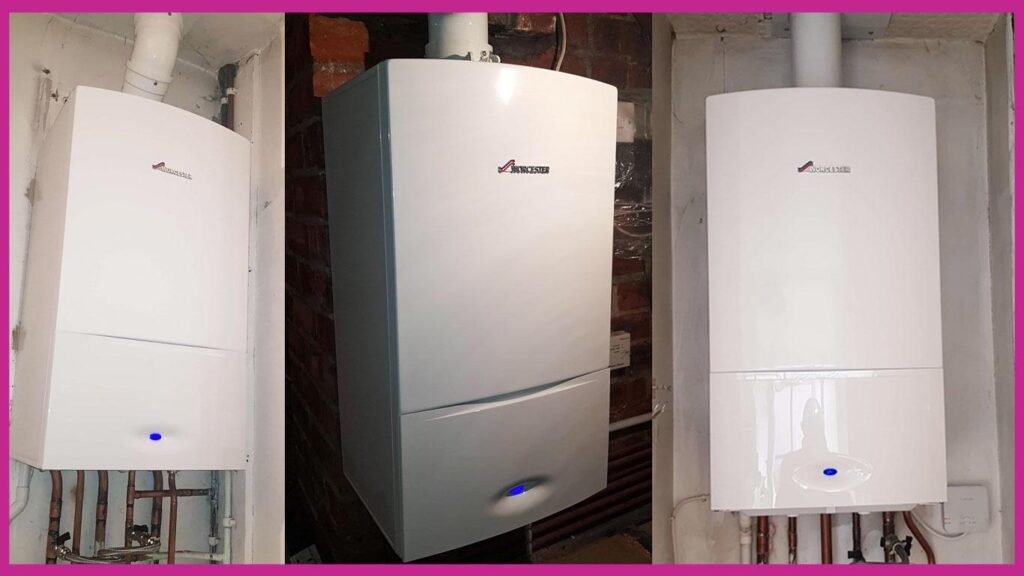
Choosing the Right Boiler for Your Home: A Guide to Energy Efficiency
Are you due for a boiler replacement? With so many options available, it can be daunting to decide which one is best for your home. In this article, we’ll explore the different types of boilers and their energy efficiency ratings, helping you make an informed decision that suits your needs.
Understanding Boiler Types: A Brief Overview
Boilers come in various types, including electric, gas, solar, and hybrid models. Each has its pros and cons when it comes to energy efficiency and cost-effectiveness. Let’s break them down:
- Electric boilers use electricity to heat water and are generally less efficient than other options.
- Gas boilers, on the other hand, burn natural gas or propane to produce hot water and steam.
- Solar boilers harness the power of the sun to heat water using solar panels.
- Hybrid boilers combine multiple energy sources, such as gas and solar power.
The Importance of Energy Efficiency Ratings
When choosing a boiler, it’s essential to consider its energy efficiency rating. Look for boilers with a high A+++ rating from organizations like the European Union’s Ecodesign Directive. This ensures that the boiler meets strict energy efficiency standards and will save you money in the long run.
Energy efficiency ratings are usually measured using the Seasonal Performance Factor (SPF), which takes into account the boiler’s performance over an entire heating season. Look for boilers with a high SPF to ensure they can provide efficient heating while minimizing energy consumption.
Boiler Size Matters: Choosing the Right Capacity
The size of your boiler is crucial to ensure it can meet your hot water demands. Calculate your daily water consumption to determine the right capacity for your home. A general rule of thumb is to choose a boiler with a 150-200 liter capacity if you have a family of four or six.
Eco-Friendly Options: Solar and Hybrid Boilers
If you’re looking for an eco-friendly solution, consider solar and hybrid boilers. These options use renewable energy sources like sunlight and gas to heat your water. Some popular eco-friendly boiler models include:
- Ariston Nuos Evo
- Tekno Point Italia Termox
- Like Futura
Comparing Installation Costs: Get a Head Start
Before making a purchase, get quotes from multiple installers to compare prices and services. Consider factors like installation costs, maintenance requirements, and warranties when making your decision.
When comparing installation costs, consider the following:
- Installation fees: Compare the installation fees charged by different installers to ensure you’re getting the best value for your money.
- Maintenance requirements: Some boilers may require more maintenance than others. Consider the maintenance requirements of each boiler model and factor them into your decision.
- Warranties: Look for boilers with comprehensive warranties that cover parts and labor for a minimum period (usually 5-10 years).
Conclusion
Choosing the right boiler for your home can be overwhelming, but by understanding the different types of boilers, energy efficiency ratings, and eco-friendly options, you’ll be well on your way to finding the perfect solution for your needs.
Frequently Asked Questions
Q: Which boiler type is most energy-efficient?
A: Boilers with high A+++ energy efficiency ratings are generally more efficient than others.
Q: How often should I replace my boiler?
A: The frequency of replacement depends on various factors, including usage and maintenance requirements. As a general rule, boilers typically last for 10-20 years.
Q: Can I install a solar boiler myself?
A: While it’s possible to install a solar boiler yourself, it’s highly recommended to hire a professional installer to ensure a safe and efficient installation.
Q: Are gas boilers more expensive to run than electric boilers?
A: Yes, gas boilers are generally less energy-efficient and more expensive to run than electric boilers.
Q: Can I use a hybrid boiler with multiple energy sources?
A: Yes, hybrid boilers can combine different energy sources like gas and solar power to heat your water.
Q: How long does it take for a new boiler to pay for itself?
A: The time it takes for a new boiler to pay for itself depends on various factors, including usage, maintenance requirements, and installation costs. As a general rule, boilers can save homeowners up to 20-30% on their energy bills within the first few years of ownership.
Q: What are the environmental impacts of different boiler types?
A: Electric boilers tend to have higher carbon emissions than gas boilers or solar boilers, while hybrid boilers can offer a lower environmental impact due to their multiple energy sources.


