
Hard-boiled eggs are a staple in many cuisines, but achieving the perfect texture and flavor can be a challenge. In this article, we’ll explore the basics of hard-boiling eggs, including the different types of hard-boiled eggs, their properties, and how to cook them to perfection.
Understanding the Basics of Hard-Boiling Eggs
Hard-boiled eggs are a popular breakfast food, snack, or ingredient in various dishes. They can be cooked using different methods, resulting in varying textures and flavors. Understanding the basics of hard-boiling eggs is essential for achieving the perfect texture and flavor.
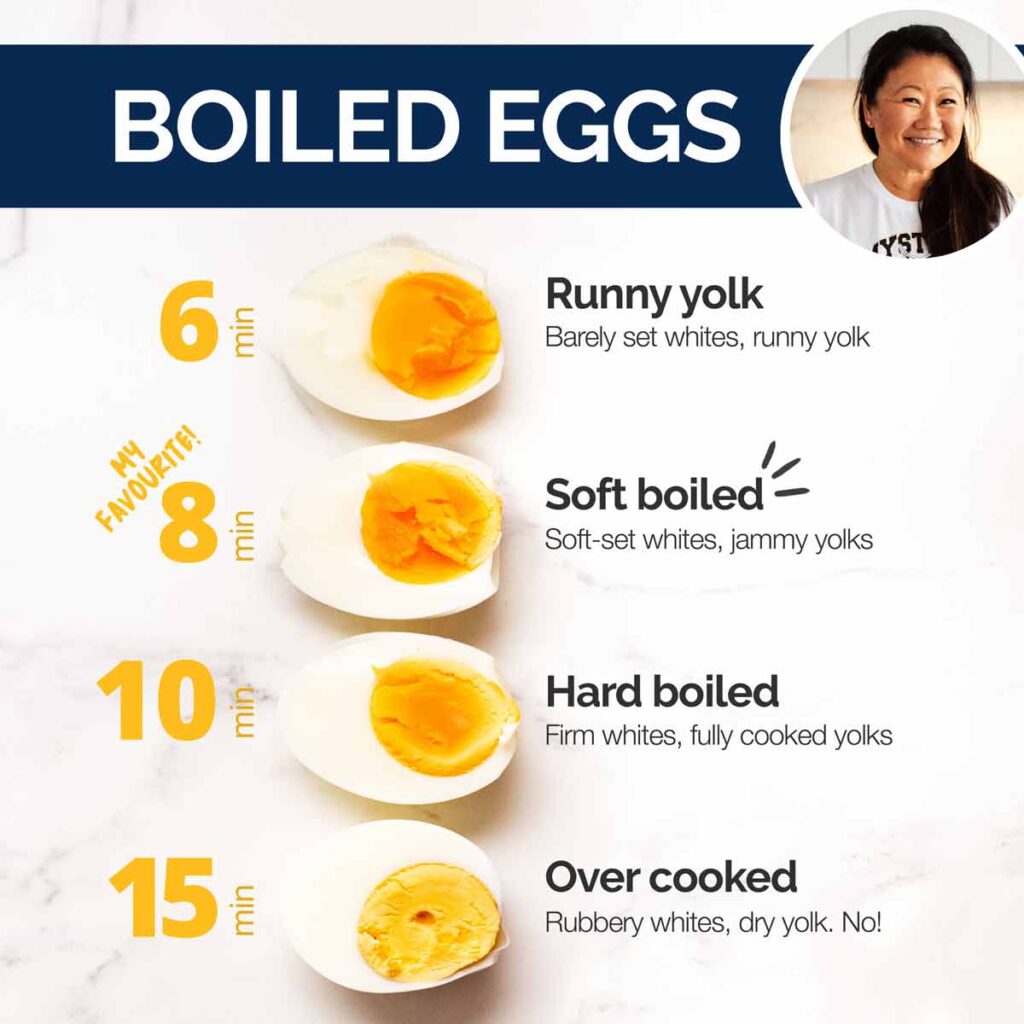
There are three main types of hard-boiled eggs: soft-boiled, medium-boiled, and firm-boiled. Each type has a distinct texture and flavor profile:
- Soft-Boiled Eggs: These eggs are cooked for a shorter period, resulting in a runnier yolk and a softer white.
- Medium-Boiled Eggs: This type of egg is cooked for a moderate amount of time, resulting in a slightly firmer yolk and a more solid white.
- Firm-Boiled Eggs: These eggs are cooked for the longest period, resulting in a fully set yolk and a firm white.
The Importance of Temperature and Cooking Time
While cooking time is crucial in achieving the perfect hard-boiled egg, temperature also plays a significant role. The ideal water temperature for cooking eggs is between 60°C to 70°C (140°F to 158°F). If the water is too hot, the egg may cook too quickly, resulting in an undercooked or overcooked texture.
The Art of Cooking Perfect Hard-Boiled Eggs
Cooking perfect hard-boiled eggs requires patience and attention to detail. Here are some tips to help you achieve the perfect texture and flavor:
- Use cold water: Start by placing the eggs in a single layer at the bottom of a saucepan or pot.
- Add cold water: Fill the pan with enough cold water to cover the eggs by about 2 cm (0.8 inches).
- Bring to a boil: Place the pan over high heat and bring the water to a boil.
- Reduce heat: Once the water has reached a boil, reduce the heat to a simmer.
- Cook for the right amount of time: Use the following cooking times as a guide:
- Soft-boiled eggs: 6-7 minutes
- Medium-boiled eggs: 8-9 minutes
- Firm-boiled eggs: 10-12 minutes
- Shock in ice water: After cooking, immediately transfer the eggs to a bowl of ice water to stop the cooking process.
Tips and Variations
Here are some additional tips and variations to help you achieve the perfect hard-boiled egg:
- Use older eggs: Older eggs tend to cook more evenly than fresher eggs.
- Add flavorings: Try adding flavorings like garlic, salt, or pepper to the water for added flavor.
- Experiment with cooking times: Adjust the cooking time to suit your desired level of doneness.
The Science Behind Hard-Boiling Eggs
Hard-boiling eggs is a process that involves denaturing proteins and coagulating egg whites. Here’s what happens during the cooking process:
- Denaturation of proteins: When eggs are cooked, the proteins in the egg white start to denature, which means they unwind and lose their native structure.
- Coagulation of egg whites: As the proteins denature, the egg whites coagulate and become firmer.
- Cooking of yolks: The yolks cook at a slightly different rate than the egg whites, resulting in a runnier or firmer texture depending on the cooking time.
Common Mistakes to Avoid
When hard-boiling eggs, there are several common mistakes that can lead to undercooked or overcooked eggs. Here are some tips to help you avoid these mistakes:
- Don’t overcrowd the pan: Cooking too many eggs at once can cause them to stick together and become overcooked.
- Don’t use boiling water: Boiling water can cause the eggs to cook unevenly and become overcooked.
- Don’t overcook the eggs: Overcooking the eggs can result in a tough, rubbery texture.
Conclusion
Achieving the perfect hard-boiled egg requires attention to detail and a understanding of the different types of eggs. By following these tips and techniques, you can create delicious, perfectly cooked hard-boiled eggs that are sure to impress.
Frequently Asked Questions (FAQs)
- How long do I cook an egg for in boiling water?
- The cooking time will depend on the desired level of doneness. Here are some general guidelines:
- Soft-boiled eggs: 6-7 minutes
- Medium-boiled eggs: 8-9 minutes
- Firm-boiled eggs: 10-12 minutes
- The cooking time will depend on the desired level of doneness. Here are some general guidelines:
- How do I know when an egg is cooked?
- Check the yolk by cutting into it. A soft-boiled egg will have a runny yolk, while a firm-boiled egg will have a fully set yolk.
- Can I cook eggs in boiling water?
- While boiling water can be used to cook eggs, it’s not always the best option. Boiling water can cause the eggs to cook unevenly and become overcooked.
- How do I store hard-boiled eggs?
- Hard-boiled eggs can be stored in the refrigerator for up to 3 days.
- Can I peel hard-boiled eggs before cooking them?
- It’s generally not recommended to peel eggs before cooking them. Peeling eggs before cooking can cause them to break apart and become difficult to cook evenly.
By following these tips and techniques, you’ll be well on your way to achieving perfectly cooked hard-boiled eggs that are sure to impress. Whether you’re a seasoned chef or a beginner in the kitchen, this guide will provide you with the tools and knowledge needed to create delicious, perfectly cooked hard-boiled eggs.


