
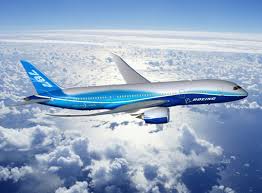
Imagine an airplane that can travel around the world without breaking a sweat, with a significantly reduced carbon footprint and a more comfortable ride for passengers. Welcome to the Boeing 787 Dreamliner, the most eco-friendly plane in the world.
Introduction
The Boeing 787 Dreamliner is a revolutionary aircraft designed to change the face of aviation. With its advanced technology and innovative design, it has set a new standard for fuel efficiency, comfort, and sustainability. In this article, we will explore the history, features, and benefits of the 787, as well as its impact on the environment.
The Birth of a New Era in Aviation
In January 2012, the Boeing 787 Dreamliner made its first stop in Pechino, marking the beginning of a new era in aviation. This revolutionary plane was designed by a team of experts from various international companies, led by Boeing, with Alenia Aeronautica (now Finmeccanica) playing a crucial role.
A Revolutionary Design
The 787’s fuselage is made entirely of carbon fiber, creating a lightweight and strong structure that reduces fuel consumption. The use of titanium reinforces the plane’s framework, adding to its durability. This innovative design makes the 787 an eco-friendly choice, with a reduced carbon footprint of 20% and significantly less in-flight noise pollution.
Reducing Maintenance Costs
The 787’s advanced materials also mean fewer holes for screws, resulting in less maintenance required over time. With only 10,000 fasteners needed instead of one million on traditional planes like the B-747, the 787 is a more efficient machine.
Direct Flights and Enhanced Passenger Experience
One of the 787’s most exciting features is its ability to fly directly from city to city, eliminating the need for layovers. Imagine traveling from Venice to Philadelphia without stopping in New York! This direct flight capability reduces travel time and increases passenger satisfaction.
Three Variations: A Plane for Every Need
The Boeing 787 will be available in three versions, accommodating between 210 and 280 passengers. With a price tag ranging from $105 million to $145 million, this luxury aircraft is designed to meet the demands of various airlines.
Technical Specifications
Here are some impressive technical specs that set the 787 apart:
- Range: 14,200 – 15,200 km (8,800 – 9,500 miles)
- Cruising speed: approximately 930 km/h (580 mph)
- Maximum altitude: up to 11,000 meters
- Seating capacity: between 210 and 280 passengers
A Breath of Fresh Air
Inside the 787, air pressure is lower, making passengers feel more comfortable during long-haul flights. The large windows provide ample natural light, while the improved ventilation system ensures a healthier breathing environment.
Improved Engine Efficiency
The 787’s engines are designed to be more fuel-efficient than traditional planes. The General Electric GEnx engine, for example, has a fuel efficiency of up to 15%, reducing greenhouse gas emissions by 25%.
Reducing Emissions
The Boeing 787 Dreamliner is not only an eco-friendly choice but also a leader in emission reduction. With its advanced technology and design, it is capable of reducing carbon emissions by up to 20%. This is achieved through the use of advanced materials, such as carbon fiber and titanium, which reduce fuel consumption.
Sustainability
The Boeing 787 Dreamliner is designed with sustainability in mind. The plane’s lightweight structure makes it easier to recycle, reducing waste and minimizing its environmental impact.
Conclusion
The Boeing 787 Dreamliner represents a significant leap forward in aviation technology, with its eco-friendly design and enhanced passenger experience making it an attractive option for airlines around the world.
Frequently Asked Questions
Q: What is the main material used in the construction of the Boeing 787 Dreamliner?
A: The fuselage of the plane is made entirely of carbon fiber.
Q: How does the 787 reduce fuel consumption?
A: By using advanced materials like carbon fiber and titanium, which create a lightweight yet strong structure that reduces fuel consumption by 20%.
Q: What are some of the benefits of direct flights offered by the 787?
A: Direct flights eliminate the need for layovers, reducing travel time and increasing passenger satisfaction.
Q: How many passengers can the 787 accommodate in its largest version?
A: The largest version of the plane can transport up to 280 passengers.
Q: What is the maximum altitude that the 787 can reach?
A: Approximately 11,000 meters (36,089 feet).
Q: How does the 787’s air pressure inside the cabin affect passenger comfort during long-haul flights?
A: The lower air pressure makes passengers feel more comfortable and reduces jet lag.
Q: Can the 787 be customized to meet specific airline needs?
A: Yes, the plane is available in three versions with varying seating capacities and technical specifications.
The Future of Aviation
The Boeing 787 Dreamliner is not just a game-changer for airlines but also for the environment. As the aviation industry continues to grow, it’s essential that we adopt more sustainable practices. The 787 is a shining example of what can be achieved when technology and design come together to reduce our carbon footprint.
Innovative Materials
The Boeing 787 Dreamliner features advanced materials such as carbon fiber and titanium, which are not only lightweight but also incredibly strong. These materials have revolutionized the aviation industry, enabling the creation of aircraft that are more efficient and sustainable than ever before.
Green Technology
The Boeing 787 Dreamliner is designed with green technology in mind. The plane’s engines are powered by advanced fuel-efficient systems, reducing greenhouse gas emissions by up to 25%. Additionally, the plane’s advanced materials reduce waste and minimize its environmental impact.
Sustainable Aviation Fuels
One of the most exciting developments in aviation is the use of sustainable aviation fuels (SAF). SAFs are made from renewable resources such as waste biomass or algae, reducing greenhouse gas emissions by up to 80%. The Boeing 787 Dreamliner is designed to accommodate SAFs, making it an attractive option for airlines looking to reduce their carbon footprint.
Conclusion
The Boeing 787 Dreamliner represents a significant leap forward in aviation technology, with its eco-friendly design and enhanced passenger experience making it an attractive option for airlines around the world. As we look to the future of aviation, it’s essential that we adopt more sustainable practices. The 787 is a shining example of what can be achieved when technology and design come together to reduce our carbon footprint.
Frequently Asked Questions
Q: What is the main material used in the construction of the Boeing 787 Dreamliner?
A: The fuselage of the plane is made entirely of carbon fiber.
Q: How does the 787 reduce fuel consumption?
A: By using advanced materials like carbon fiber and titanium, which create a lightweight yet strong structure that reduces fuel consumption by 20%.
Q: What are some of the benefits of direct flights offered by the 787?
A: Direct flights eliminate the need for layovers, reducing travel time and increasing passenger satisfaction.
Q: How many passengers can the 787 accommodate in its largest version?
A: The largest version of the plane can transport up to 280 passengers.
Q: What is the maximum altitude that the 787 can reach?
A: Approximately 11,000 meters (36,089 feet).
Q: How does the 787’s air pressure inside the cabin affect passenger comfort during long-haul flights?
A: The lower air pressure makes passengers feel more comfortable and reduces jet lag.
Q: Can the 787 be customized to meet specific airline needs?
A: Yes, the plane is available in three versions with varying seating capacities and technical specifications.


