
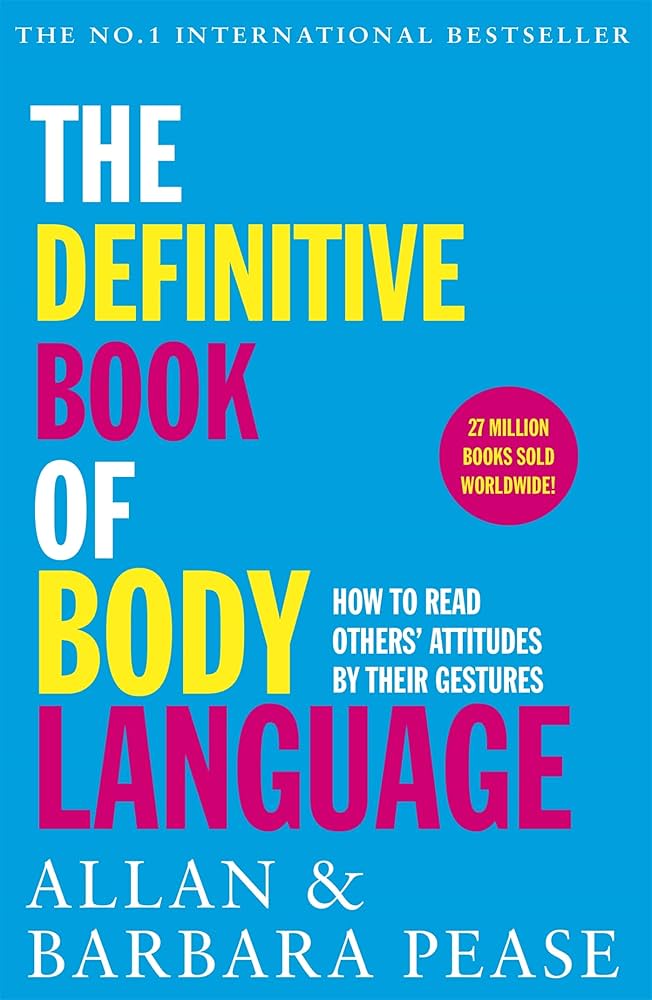
When it comes to understanding human behavior, we often think that words are the primary means of communication. However, this couldn’t be further from the truth. The language of our body is far more powerful and complex than our verbal language, especially when it comes to conveying emotions, intentions, and messages.
The Importance of Nonverbal Communication
Nonverbal communication refers to the way we express ourselves through body language, facial expressions, gestures, and postures. It’s estimated that our bodies can produce over 700,000 different movements, making it impossible to codify all aspects of nonverbal communication. Despite this complexity, understanding nonverbal cues is essential for building stronger relationships, avoiding misunderstandings, and gaining insight into others’ thoughts and feelings.
Nonverbal communication plays a significant role in our daily lives, from personal interactions to professional settings. It can convey emotions, attitudes, and intentions without us even realizing it. For instance, when we smile at someone, we’re not just expressing happiness; we’re also sending a message about our trustworthiness and approachability.
The Language of the Body: Male and Female
In terms of body language, there are distinct differences between men and women. For men, facial expressions play a significant role in conveying emotions, with 43 muscles in the face allowing for a wide range of micro-expressions that can reveal their true emotions. The eyes are also critical, as they can convey trustworthiness, sincerity, or even dishonesty.
In contrast, women tend to rely more on their body language to communicate, particularly through head movements. A gentle tilt of the head can indicate interest and attention, while an inverted V shape with the chin resting on the palm of the hand can signify vulnerability.
The Language of Body: Positioning and Posture
Posture is another crucial aspect of nonverbal communication. When we stand up straight or slouch, it can convey confidence, authority, or even insecurity. The way we position our feet, hands, and body in relation to others can also signal dominance, submission, or empathy.
For example, standing with your feet shoulder-width apart can indicate stability and balance, while crossing your arms over your chest may suggest defensiveness or resistance. On the other hand, uncrossing your arms and legs can signify openness and receptivity.
The Language of Body: Reading Facial Expressions
Facial expressions are a vital part of nonverbal communication, conveying emotions such as happiness, sadness, anger, or surprise. However, not everyone is skilled at reading facial expressions, and it’s easy to misinterpret someone’s emotions based on their appearance alone.
By paying attention to the subtleties of facial movements, we can gain a deeper understanding of others’ emotional states and respond accordingly. For instance, if someone frowns or furrows their brow, they may be experiencing frustration or concern.
The Power of Eye Contact
Eye contact is an essential aspect of nonverbal communication, as it conveys trustworthiness, sincerity, and attention. When we make eye contact with someone, it signals that we’re engaged, interested, and present in the moment.
However, eye contact can also be misinterpreted if it’s excessive or prolonged. For example, staring intensely at someone for too long can come across as aggressive or confrontational. On the other hand, avoiding eye contact altogether can suggest nervousness, dishonesty, or a lack of confidence.
The Language of Body: The Book “Signs of the Body”
For those interested in delving deeper into nonverbal communication, there are numerous books available that explore this fascinating topic. One such book is “Segnali del corpo. Come interpretare il linguaggio corporeo” by Vera F. Birkenbihl.
This comprehensive guide covers various aspects of nonverbal communication, including body language, postures, and facial expressions. By reading between the lines and paying attention to subtle cues, we can improve our relationships, avoid misunderstandings, and gain a deeper understanding of ourselves and others.
The Language of Body: Looking Right and Left
When it comes to eye contact, there are different implications depending on where you look. Looking to the right may indicate that someone is seeking guidance or trying to uncover hidden information, while looking left can suggest that they’re recalling memories or experiencing emotions.
Looking down at something below the horizon may imply that someone is listening to advice or absorbing new information, whereas gazing upwards can signify a desire for inspiration, hope, or spiritual connection.
The Language of Body: Crossing Legs and Arms
When it comes to physical postures, crossing legs or arms can convey different messages. For example, crossing your legs may suggest comfort, relaxation, or even defensiveness, while crossing your arms over your chest can indicate resistance or closure.
By paying attention to these subtle cues, we can gain a deeper understanding of others’ emotional states and respond accordingly. It’s essential to recognize that these postures can also be influenced by our own biases, emotions, and experiences.
Conclusion
Nonverbal communication is an intricate dance of body language, facial expressions, and postures. By mastering the language of our bodies, we can build stronger relationships, avoid misunderstandings, and gain insight into others’ thoughts and feelings.
As we continue to navigate the complexities of human interaction, it’s essential to remain aware of the power of nonverbal communication and strive to improve our skills in reading between the lines. By doing so, we can create a more empathetic, understanding, and compassionate world where people feel heard, seen, and valued.
FAQs
- What is nonverbal communication?
Nonverbal communication refers to the way we express ourselves through body language, facial expressions, gestures, and postures. - Why is nonverbal communication important?
Understanding nonverbal cues can help us build stronger relationships, avoid misunderstandings, and gain insight into others’ thoughts and feelings. - What are some common nonverbal cues?
Common nonverbal cues include body language (e.g., crossing arms or legs), facial expressions (e.g., smiling or frowning), and postures (e.g., standing up straight or slouching). - How can I improve my skills in reading nonverbal cues?
By paying attention to subtle cues, such as changes in eye contact, posture, and facial expressions, we can gain a deeper understanding of others’ emotional states. - What is the difference between male and female body language?
While both men and women use body language to communicate, there are distinct differences between the two sexes. Men tend to rely more on their verbal communication, while women often use body language to convey emotions and intentions. - How can I use nonverbal communication in my personal and professional life?
By mastering the language of our bodies, we can build stronger relationships, avoid misunderstandings, and gain insight into others’ thoughts and feelings. - What are some common mistakes people make when using nonverbal cues?
Common mistakes include misinterpreting facial expressions or body language, which can lead to misunderstandings and conflicts. - How can I practice reading nonverbal cues in a healthy way?
By paying attention to subtle cues and being aware of our own body language, we can improve our relationships and build stronger connections with others.


